Cart
0
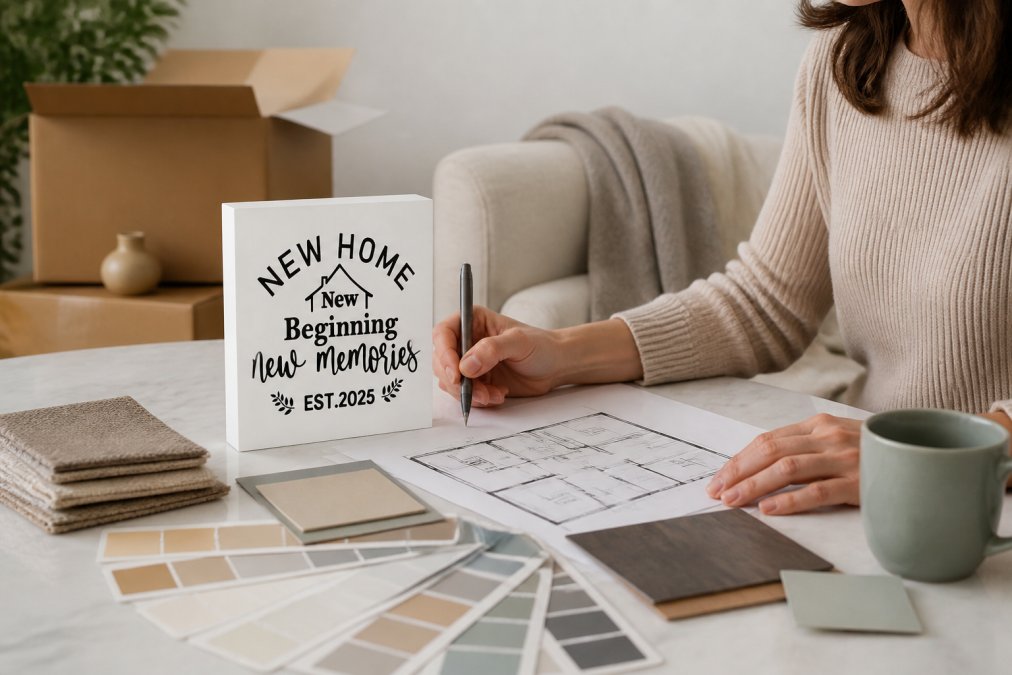
Table of Contents
- Start With Measurements and Floor Plans
- How to Measure a Room for Furniture Placement
- Create a Design Concept and Mood Board
- Take Inventory of Existing Furniture and Decor
- Choose a Color Palette and Gather Samples
- Build Your Pre-Move Home Organization Checklist
- Set Your Budget and Prioritize Rooms
- Conclusion
Last Updated: August 24, 2026
Start With Measurements and Floor Plans
How to plan interior design before moving in begins with understanding your actual space. Before you buy a single piece of furniture or choose a color, you need precise measurements and a clear floor plan. This foundation determines everything that follows, layout options, furniture scale, traffic flow, and even lighting placement.
A floor plan is your visual blueprint. It shows room dimensions, door swings, window locations, and architectural features from a bird's-eye view. When you have this, you stop guessing and start deciding. You'll know exactly how much wall space you have for artwork, whether that sectional will fit, and where natural light enters throughout the day.
The best part: you don't need expensive software. Pen and paper work, or you can use free tools like Floorplanner or RoomSketcher to create digital versions. Many designers recommend starting analog, sketch your room roughly, then refine it digitally if you want to test furniture placement.
The American Society of Interior Designers' guide to space planning emphasizes that accurate measurements are the foundation of any successful interior design project. Skipping this step leads to costly mistakes: furniture that doesn't fit, layouts that don't flow, and a space that feels cramped or disconnected.
Your floor plan becomes your decision-making tool. When you're browsing furniture online or in stores, you reference it. Does that coffee table work with your layout? Can you fit a dining table for six? The floor plan answers these questions before you commit money.
How to Measure a Room for Furniture Placement
Measuring a room accurately takes 20 minutes and a basic tape measure (asid.org). You'll need a notepad, a pen, and ideally a second person to hold the tape steady at one end. Start with the longest wall and work systematically around the room.
Measure wall-to-wall length and width first. Then measure the height from floor to ceiling, this matters for tall furniture like bookcases or for understanding proportions. Note the location of doors (measure from the corner to the door frame), windows (measure the sill height and width), and any built-in features like closets, radiators, or electrical outlets.
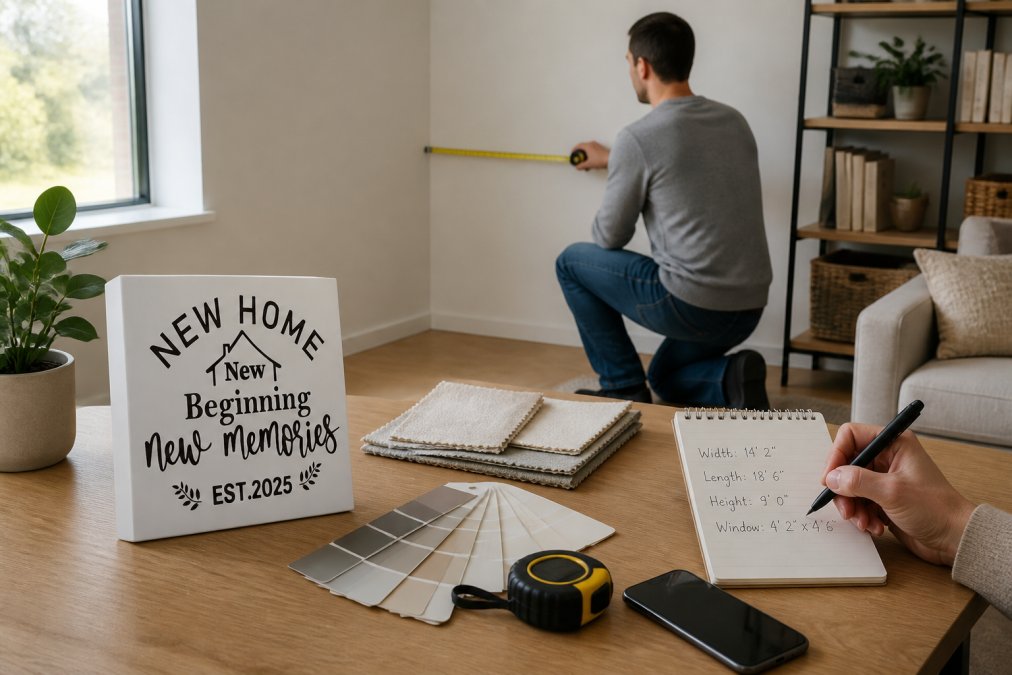
Pay attention to architectural quirks: sloped ceilings, alcoves, columns, or uneven walls. These aren't problems, they're character. But they affect how furniture sits and how the space flows. If you have a sloped ceiling on one side, tall dressers might not fit there. If there's an alcove, that's a perfect spot for a reading nook.
Mark outlet and switch locations on your sketch. Lighting plan decisions depend on knowing where power is available. If outlets are only on one wall, you need to think about lamp placement and cord management differently than if outlets are distributed around the room.
Photograph each wall with a measuring tape visible in the shot. This creates a visual reference you can review later. When you're shopping for furniture, you'll pull up these photos and compare scale instantly.
Many people measure once and assume they're done. Measure again before you finalize any major furniture purchases. A second measurement catches mistakes and gives you confidence in your layout decisions.
Create a Design Concept and Mood Board
Your design concept is the visual language of your space. It's not one specific style, it's the feeling you want when you walk in. Are you drawn to minimalist calm, warm maximalism, modern simplicity, or eclectic comfort? Your concept guides every decision that follows.
A mood board is where this concept becomes concrete. Gather images, fabric swatches, paint samples, and material references that resonate with you. Use Pinterest, Instagram, design magazines, or your phone camera. Clip anything that makes you stop and think, "Yes, that's it." Don't overthink it, your instinct matters more than perfect curation.
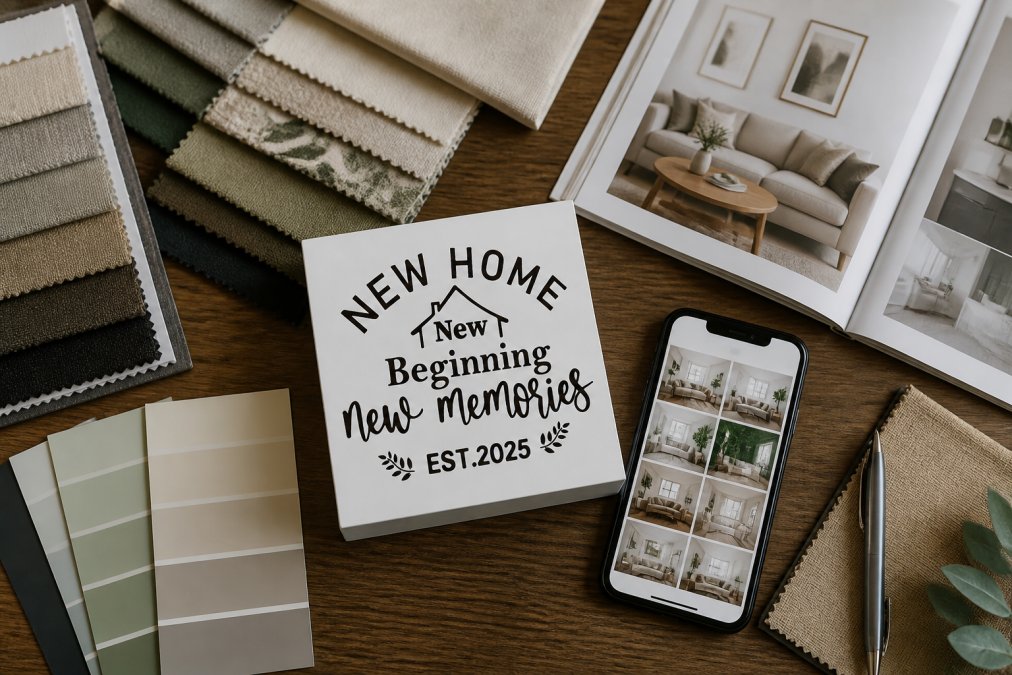
Once you have 20-30 images and samples, step back and look for patterns. What colors repeat? What textures show up again and again? What's the common thread? Maybe it's warm neutrals with natural wood and soft textiles. Maybe it's jewel tones with brass accents and velvet. The pattern reveals your authentic aesthetic, not what you think you should like, but what actually speaks to you.
Your mood board becomes your filter. When you're tempted by something trendy or a friend suggests a piece, check it against your board. Does it fit the visual language you're building? If not, it's a pass, no matter how good the deal.
This is where AllWayzHome's curated collections shine. Their approach matches yours: they gather complementary pieces, candles, décor, textiles, plants, that already work together visually. If you're building a warm, inviting aesthetic, their bundled approach saves you from the exhausting hunt for items that coordinate. You get a cohesive starting point rather than random pieces that clash.
Update your mood board as you shop. Add photos of pieces you're actually buying. This keeps your vision aligned with your reality and prevents impulse purchases that don't fit your design concept.
Take Inventory of Existing Furniture and Decor
Before you buy anything new, catalog what you already own. This is the unsexy part of planning interior design before moving in, but it's critical. You might already have pieces that work in your new space, which saves money and honors items with history.
Create a simple spreadsheet or list: each piece, its dimensions, its color, its condition, and whether it fits your design concept. Be honest. That hand-me-down couch in beige microfiber might not work with your vision of jewel tones and natural textures. That's okay, it means you can sell it, donate it, or store it rather than forcing it into a space where it doesn't belong.
Measure your existing furniture. A sofa that fit perfectly in your last place might overwhelm your new living room. Knowing exact dimensions prevents layout surprises. The same goes for dining tables, beds, dressers, anything that takes up significant space.
Identify pieces worth keeping. Maybe you have a wooden desk that matches your aesthetic, or a bookshelf that's exactly the right scale. These anchors reduce what you need to buy and give your space continuity and personality. A home filled entirely with new purchases feels sterile. Mixing existing pieces you love with new finds creates authenticity.
This inventory also reveals gaps. If you're keeping a mid-century modern desk and a vintage rug, you know your new pieces should complement that vibe, not fight it. Your existing items inform your buying decisions going forward. You're not starting from zero, you're building on a foundation.
Document everything with photos. When you're shopping for complementary pieces, you'll reference these photos to ensure new items coordinate with what you're keeping.
Choose a Color Palette and Gather Samples
Your color palette is the visual backbone of your space. It's not about picking your favorite color, it's about creating harmony. Most successful interiors use a 60-30-10 rule: 60% dominant color, 30% secondary color, 10% accent color (asid.org). This creates balance and prevents visual chaos.
Start with one color you love. Pull paint chips from a hardware store. Get multiple shades, light, medium, dark, of that color family. Live with them on your wall for a few days. How do they look in morning light? Afternoon light? Evening light? Paint color shifts dramatically depending on natural and artificial lighting.
Add a secondary color that complements your dominant choice. This might be a neutral that grounds the space, or a contrasting color that adds interest. Gather fabric swatches in this color. Touch them. Feel the texture. See how they sit next to your paint chips.
Choose one or two accent colors for pops of visual interest. These appear in smaller quantities, throw pillows, artwork, plants, decorative objects. Accent colors should feel intentional, not random.
Visit AllWayzHome to see how professionals coordinate color palettes. Their curated bundles demonstrate how paint, textiles, candles, and décor work together. Studying these combinations teaches you proportion and balance. You see how a warm cream wall pairs with sage green accents and brass hardware. How a deep charcoal works with warm wood tones and soft linens.
Gather physical samples: paint chips, fabric swatches, wood stains, flooring samples. Tape them to your wall in the actual room where you'll use them. Photograph them in different lighting. This real-world testing prevents expensive mistakes. That paint color you loved in the store might look completely different in your specific room with your specific lighting.
Build Your Pre-Move Home Organization Checklist
Planning interior design before moving in requires a timeline. Without one, decisions pile up, deadlines slip, and you end up making rushed choices. A pre-move home organization checklist keeps you on track.
Start three months before your move, if possible. This gives you time to measure, research, order, and adjust without panic. If you have less time, compress the timeline but don't skip steps.
Pre-Move Home Organization Checklist:
- Measure all rooms and create floor plans (Week 1)
- Photograph existing furniture and note dimensions (Week 1)
- Create mood board with design inspiration (Week 2)
- Finalize color palette and gather physical samples (Week 2)
- Test paint colors on walls in current space (Week 3)
- Research and compare furniture options (Weeks 3-4)
- Order long-lead items (custom pieces, special orders) (Week 4)
- Shop for secondary furniture and décor (Week 5)
- Arrange delivery timeline with moving company (Week 5)
- Confirm all items arrive before move-in date (Week 6)
- Create room-by-room layout plan (Week 6)
- Prepare new space (clean, paint if needed) (Week 7)
- Arrange furniture in new space using floor plan (Move day)
- Unpack and style décor (Week 1 after move)
This timeline assumes a three-month window. Adjust based on your actual timeline, but maintain the sequence. Measuring comes before shopping. Design concept comes before purchasing. This order prevents waste and ensures decisions build on each other logically.
Update your checklist as you progress. Checking items off creates momentum and keeps you accountable to your own timeline.
Set Your Budget and Prioritize Rooms
Budget determines scope. Be realistic about what you can spend, then allocate strategically. Most people can't furnish and decorate an entire home at once. Prioritizing rooms lets you create fully realized spaces gradually rather than half-furnishing everything.
Identify which rooms matter most to you. Your bedroom and living room probably rank higher than a guest room or home office. Spend proportionally more on spaces where you spend the most time. A beautifully designed bedroom where you sleep eight hours a day creates more daily joy than a perfectly styled guest room you use twice a year.
Allocate your budget across categories: furniture (typically 50-60%), lighting and fixtures (10-15%), textiles and soft furnishings (10-15%), décor and accessories (10-15%), and contingency (5-10%). These percentages shift based on your priorities, but they provide a framework.
For your first room, invest in quality basics: a good bed frame, a functional sofa, adequate lighting. These anchor the space and last for years. Accessorize with less expensive items, pillows, throws, artwork, plants, that you can update as your taste evolves.
AllWayzHome's bundled approach helps with budget allocation. Their curated collections combine décor, candles, plants, and accessories at set price points. This removes the temptation to overspend on individual items. You know the total cost upfront and get a cohesive result rather than piecing together random purchases.
Consider where to splurge and where to save. Splurge on items you'll use constantly and that take wear: sofas, beds, dining tables. Save on trend-driven pieces: accent chairs, decorative objects, seasonal décor. Trends change; quality basics endure.
Build in a contingency budget. Unexpected costs always arise: a wall needs more paint than estimated, a piece arrives damaged, you discover you need additional lighting. A 5-10% cushion prevents budget stress.
Planning interior design before moving in transforms what could be an overwhelming process into a manageable, even enjoyable one. You're not making decisions under pressure on move-in day. You're thoughtful, measured, and intentional about creating a space that reflects who you are.
Start with your floor plan and measurements. Build your design concept through mood boards and color palettes. Inventory what you have and identify gaps. Create a timeline that keeps you moving forward without rushing. Allocate your budget strategically across rooms and categories.
The result isn't just a decorated apartment or house, it's a home that feels authentically yours. Every piece has a place. Every color choice was deliberate. Every object contributes to the whole. At AllWayzHome's curated collection, you'll find thoughtfully designed bundles that embody this intentional approach. Their candle sets, décor pieces, and home essentials work together to create warmth and cohesion. Whether you're starting from scratch or refreshing your space, their collections give you a design-forward foundation that makes the rest of your planning easier. Explore their offerings and let curated, coordinated pieces guide your vision into reality.
Frequently Asked Questions
What is the first step in planning interior design before moving in?
Start by measuring your new space and creating an accurate floor plan. Measure room dimensions, doorways, windows, and ceiling height. This foundation ensures all your design decisions fit your actual space and prevents costly mistakes when purchasing furniture.
How do I know if furniture will fit before I move in?
Use your floor plan and measurements to scale furniture dimensions. Most furniture retailers provide exact measurements. Create a to-scale layout using digital tools or graph paper, then arrange cutouts of your furniture pieces. This spatial planning prevents buying items that won't fit through doorways or leave adequate flow in your rooms.
Should I buy all new furniture or work with what I have?
Take inventory of your existing furniture first. Measure each piece and photograph it. Decide what aligns with your design vision and what needs replacing. This approach saves money and reduces waste. Your pre-move home organization checklist should include a detailed furniture inventory to guide purchasing decisions and identify gaps in your design.
What should I prioritize when decorating a new home on a budget?
Focus first on high-impact areas like your entryway and primary bedroom. Invest in quality foundational pieces (sofa, bed frame, dining table) and supplement with affordable décor accessories. Establish a color palette early to guide all purchases. AllWayzHome's curated bundles, like the Home Blessings Intention Candle and Welcome Home Wall Sign, add character without requiring a full redesign budget.
This article was written using GrandRanker