Cart
0
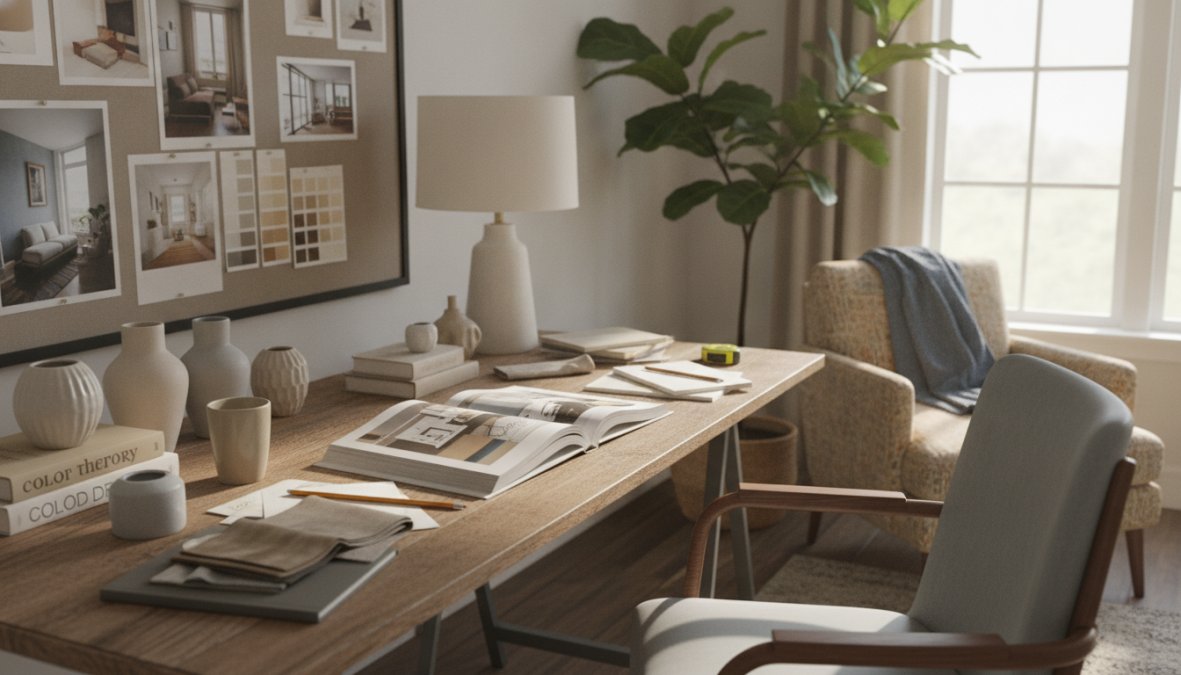
Table of Contents
- Start with a Mood Board and Vision
- Master Space Planning and Layout Fundamentals
- Choose Your Color Palette with Purpose
- Lighting Tips for Interior Design Success
- Budget Friendly Home Decor Tips for Every Style
- Small Apartment Interior Design Ideas and Solutions
- Best Interior Design Apps for Beginners
- Incorporate Natural Elements and Biophilic Design
Last Updated: July 6, 2026
Transforming your house into a warm, inviting sanctuary doesn't require hiring an expensive designer or overhauling your entire space overnight. With the right interior design tips, you can create a home that reflects your personality and brings joy to your daily routine. This guide walks you through proven strategies for styling your home, from foundational planning to final finishing touches.
Start with a Mood Board and Vision
Creating a mood board is where great design begins. Before you spend money or move furniture, gather visual inspiration that speaks to you. Spend 30 minutes collecting images from Pinterest, Instagram, design websites, and magazines. Save anything that catches your eye and look for patterns in what appeals to you. Do you gravitate toward minimalist or maximalist spaces? Warm neutrals or bold colors? These patterns reveal your true design preferences.
Gathering Inspiration
Arrange 20-30 collected images on a physical board or digital canvas, including paint swatches and fabric samples. A cohesive mood board should feel like these elements could exist in the same room.
Pro Tip
Take a photo of your mood board and use it as your phone wallpaper for a week. You'll quickly notice if the aesthetic genuinely resonates with you.
Defining Your Aesthetic
Your aesthetic is the overall visual identity of your space. Common aesthetics include minimalist, maximalist, industrial, bohemian, farmhouse, mid-century modern, Scandinavian, and contemporary. Most successful spaces blend two or three aesthetics rather than committing to one pure style. Be honest about your lifestyle when defining your aesthetic, a pristine minimalist look might not work if you have kids and pets.
Master Space Planning and Layout Fundamentals
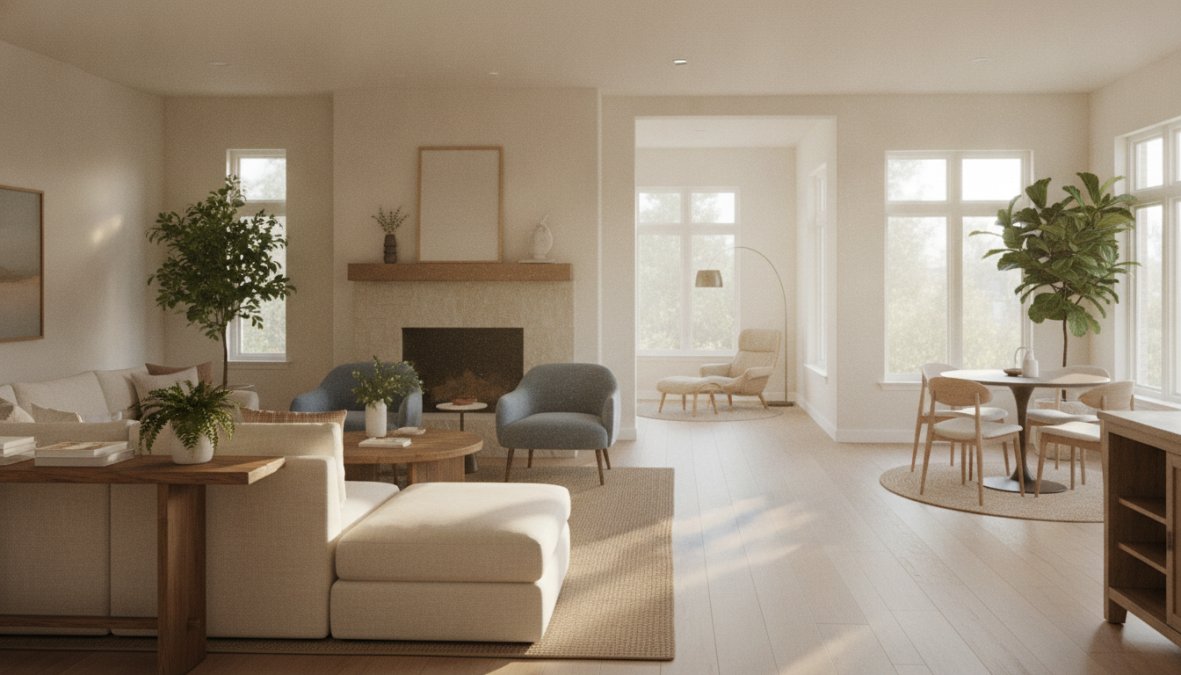
Space planning is the foundation of functional interior design. Poor space planning leads to awkward furniture arrangements and cramped-feeling spaces. Good space planning creates flow, the natural movement pattern people follow through your room.
The biggest mistake people make is pushing all furniture against the walls. Instead, arrange furniture to create conversation areas and define zones. In a living room, position a sofa facing a TV with a coffee table between them. In a bedroom, position your bed as a focal point rather than tucking it in a corner.
Measuring and Mapping Your Room
Measure your room precisely: length, width, height, and locations of windows, doors, and electrical outlets. Create a simple floor plan using graph paper or a digital tool, then cut out scaled representations of your furniture pieces. This lets you experiment with arrangements without moving heavy items around.
Pay attention to traffic patterns. Hallways and pathways should be at least 30 inches wide. Seating areas should feel intimate without being cramped.
Watch Out
A common mistake is buying furniture that's too large for your space. Measure doorways and hallways before purchasing anything large.
Creating Flow and Functionality
Create distinct zones in open-concept spaces using area rugs, lighting, and furniture arrangement. A living room might have a seating zone, an entertainment zone, and a reading nook. Each zone should have a clear purpose and feel intentional. Don't force furniture into spaces where it doesn't serve a purpose, empty space is more valuable than awkwardly placed pieces.
Choose Your Color Palette with Purpose
Color is perhaps the most powerful design tool available. A color palette is a curated selection of colors that work together harmoniously. Most successful palettes include a dominant neutral color, one or two secondary colors, and accent colors for visual interest.
Understanding Color Psychology
Colors influence how we feel in a space. Warm colors like reds, oranges, and yellows create energy and intimacy. Cool colors like blues, greens, and purples feel calm and expansive. Neutrals like whites, grays, and beiges provide balance.
Light colors make spaces feel larger and brighter. Dark colors create intimacy and drama. If you have a small space or limited natural light, lighter colors help. If you have a large space with plenty of light, darker colors add richness without feeling oppressive.
Applying the Rule of Three
The Rule of Three suggests using three main colors in your space: a dominant color (60% of your palette), a secondary color (30%), and an accent color (10%). This ratio creates visual balance without feeling monotonous.
Your dominant color is typically your wall color or largest furniture piece. Your secondary color appears in additional furniture pieces and textiles. Your accent color adds visual interest and personality.
For example: soft gray walls (dominant), warm white furniture (secondary), and teal accents in pillows and artwork (accent). Test colors before committing by painting large swatches on your walls and observing them at different times of day.
Lighting Tips for Interior Design Success
Lighting is crucial to how your space looks and feels. Poor lighting makes beautiful rooms feel depressing. Good lighting enhances your design and makes spaces feel larger, warmer, and more inviting.
Most rooms need three types of lighting: ambient lighting for overall illumination, task lighting for specific activities, and accent lighting for visual interest. Relying on a single overhead light creates harsh shadows and flat spaces.
Layering Ambient, Task, and Accent Lighting
Ambient lighting provides overall illumination through ceiling fixtures, wall sconces, or recessed lights. It should be bright enough to navigate safely but not so bright that it feels clinical. Dimmable options give you flexibility.
Task lighting illuminates specific areas where you do activities. A desk needs task lighting for work. A kitchen counter needs lighting for food preparation. A bedside table needs lighting for reading. Task lighting should be bright and focused to avoid shadows and glare.
Accent lighting highlights specific design elements like artwork, plants, or architectural features. It adds visual interest and draws attention to what you want people to notice.
Key Takeaway
The most transformative lighting upgrade you can make is adding dimmers to your existing fixtures. This single change lets you adjust the mood of your space throughout the day.
Maximizing Natural Light
Natural light is the most flattering light available and it's free. Keep windows clean and unobstructed when possible. Use sheer curtains that filter light without blocking it entirely. Position seating areas to take advantage of natural light.
When natural light isn't available, replicate it with warm white bulbs (2700K color temperature) that feel more natural and inviting than cool white bulbs. Position lights to mimic how natural light enters your space.
Budget Friendly Home Decor Tips for Every Style
Budget constraints shouldn't prevent you from creating a beautiful home. The best budget friendly home decor tips focus on priorities, spending more on pieces you use daily and less on items that are easy to change.
Splurge vs. Save Strategy
Splurge on items you use daily, items that are expensive to replace, and pieces that set the tone for your space. These might include your bed frame, sofa, dining table, or lighting fixtures. Quality matters here because you'll live with these pieces for years.
Save on items that are easy to change, trendy items you might tire of, and decorative accessories. Throw pillows, artwork, plants, and textiles are perfect places to save money. Consider buying secondhand for larger pieces through online marketplaces, estate sales, and thrift stores.
Finding Foundation and Accent Pieces
Foundation pieces are the basics: your bed, sofa, dining table, and main storage. These should be neutral, well-made, and timeless. Invest in quality here because replacing these pieces is expensive and disruptive.
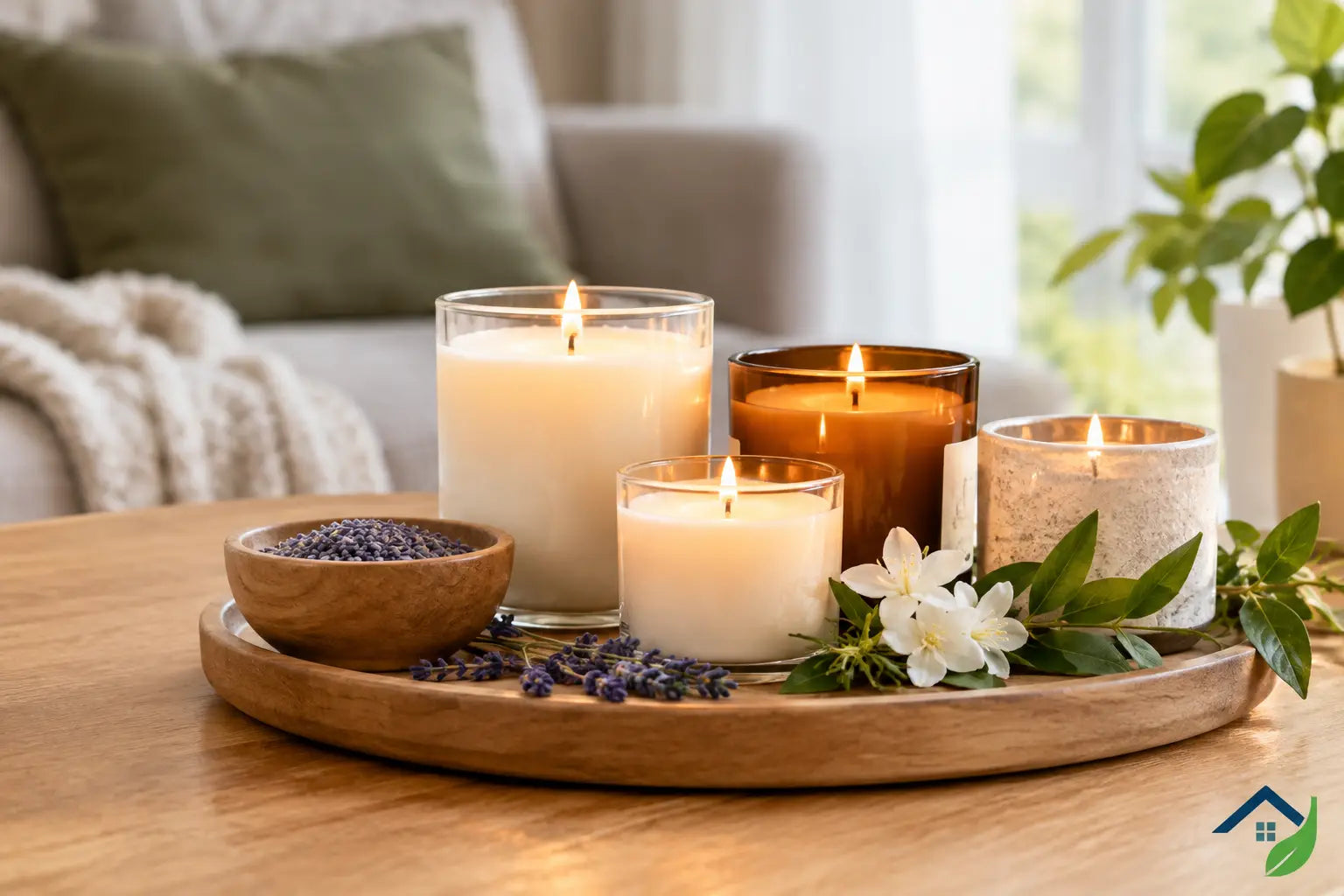
Accent pieces are where your personality shines through. These are the colorful pillows, artwork, plants, and decorative objects that make your space feel like yours. Accent pieces can be affordable because you can change them frequently. AllWayzHome specializes in curated accent pieces that add character without breaking the budget, including elegant candle and fragrance sets, indoor greenery, and decorative accessories.
Small Apartment Interior Design Ideas and Solutions
Small spaces require intentional design choices. Every element needs to earn its place by serving function, adding beauty, or ideally both. Small spaces actually offer advantages, they're easier to keep clean, less expensive to furnish, and create natural intimacy.
Vertical Space and Scale Proportion
In small spaces, think vertical. Use wall space that horizontal furniture doesn't occupy. Tall bookshelves, wall-mounted shelving, and vertical artwork draw the eye upward and make ceilings feel higher.
Scale and proportion matter enormously in small spaces. Choose appropriately scaled pieces: a smaller sofa, a round table instead of a large rectangular one, or a narrow console table instead of a bulky dresser. Use mirrors strategically to reflect light and create depth. A large mirror opposite a window bounces natural light throughout the space and makes it feel larger.
Decluttering and Curating
Clutter is the enemy of small spaces. Every item visible takes up visual real estate. Adopt a curating mindset and select pieces that you love and that work together. Store seasonal items and things you don't use regularly.
Built-in storage and multipurpose furniture are invaluable in small spaces. An ottoman that opens for storage, a bed with drawers underneath, or floating shelves all maximize functionality. Every piece should serve multiple purposes when possible.
Best Interior Design Apps for Beginners
Technology makes space planning and visualization accessible to everyone. Room planning apps let you create scaled floor plans and experiment with furniture arrangements without moving anything physical.
Digital Tools for Planning and Visualization
Popular room planning apps include Floorplanner, RoomSketcher, and Planner 5D. These tools let you input room dimensions, add furniture pieces, and see how different arrangements work. Most offer libraries of real furniture from major retailers.
Visualization apps like Houzz and Pinterest let you save inspiration images and create mood boards. Color visualization apps help you test paint colors before committing. Use digital tools for planning and inspiration, but trust your instincts when making final decisions.
| App | Best For | Key Features | Learning Curve |
|---|---|---|---|
| Floorplanner | Room layouts | Drag-and-drop furniture, multiple floor plans, sharing | Beginner-friendly |
| Houzz | Inspiration & shopping | Millions of images, product links, ideabooks | Very easy |
| RoomSketcher | Detailed planning | 3D visualization, accurate measurements, export options | Moderate |
| Planner 5D | Visualization | 3D rendering, furniture library, realistic preview | Easy to moderate |
Incorporate Natural Elements and Biophilic Design
Biophilic design is the practice of incorporating natural elements into interior spaces. Humans have an innate connection to nature, and bringing natural materials, plants, and elements into your home creates spaces that feel more alive and restorative.
Natural elements include wood, stone, plants, natural light, and water features. They add warmth, texture, and visual interest while creating a sense of calm.
Adding Organic Materials and Textures
Wood is the most accessible natural material. Exposed wood beams, wooden furniture, or wooden accents add warmth and character. Stone adds permanence and elegance. Textiles like linen, cotton, wool, and jute bring natural fiber textures that feel good and look organic. Layering different natural textures creates depth and visual interest.
Integrating Indoor Greenery
Indoor plants are the most direct way to bring nature into your home. Beyond their visual appeal, plants improve air quality and create a sense of vitality. Different plants work in different light conditions: low-light plants like pothos and snake plants work in bathrooms; bright-light plants like succulents need sunny windowsills; medium-light plants like monstera work in most living spaces.
Vary plant sizes and placement. A small succulent on a shelf, a medium plant on a side table, and a large floor plant in a corner create visual interest. AllWayzHome offers a curated selection of indoor greenery and planters that add life to any space while complementing home décor.
Pro Tip
[Propagation station](/products/arch-wave-propagation-station)s combine function and beauty. A simple vase with propagating plant cuttings becomes a living art piece while creating new plants for free.
Creating a beautiful, functional home is achievable when you approach it strategically. The interior design tips covered in this guide work together to transform any space into somewhere you genuinely want to spend time. The key is starting with intention, making one thoughtful decision at a time, and trusting your instincts about what works for your life. AllWayzHome's curated collection of home décor, greenery, and accessories makes it easy to implement these principles with pieces specifically chosen to add warmth and character to your space. Interior Design Society's guide to creating cohesive home spaces and American Society of Interior Designers professional resources offer additional expert guidance as you develop your design skills.
Frequently Asked Questions
What are the most important interior design tips for beginners?
Start with a mood board to gather inspiration, then establish a color palette using the rule of three. Focus on space planning and layout before purchasing furniture. Layer your lighting with ambient, task, and accent options. Use the splurge vs. save strategy to allocate your budget wisely, investing in quality foundation pieces while saving on accent items. These interior design tips create a strong foundation for any room.
How can I improve my small apartment interior design on a budget?
Small apartment interior design ideas include using vertical space with floating shelves, choosing furniture scaled appropriately to your room, and decluttering regularly. Budget friendly home decor tips involve shopping secondhand for accent pieces, painting walls instead of wallpapering, and layering textiles like throws and pillows. Maximize natural light to make spaces feel larger, and use mirrors strategically to reflect light and create the illusion of more space.
What is the rule of three in interior design?
The rule of three is a design principle stating that objects arranged in odd numbers, particularly three, are more visually appealing and memorable than even-numbered groupings. Apply this when styling shelves, arranging throw pillows, or selecting artwork. For example, group three different heights of candlesticks or combine three complementary colors in your palette. This creates visual balance and prevents spaces from feeling too symmetrical or boring.
Which interior design apps for beginners help with space planning?
Best interior design apps for beginners include RoomPlan, Floorplanner, and Canva. These tools allow you to measure your space, visualize furniture placement, and experiment with color palettes digitally before making purchases. Many apps offer 3D visualization, which helps you understand scale and proportion. Free versions typically provide enough features to plan room layouts, while premium versions offer advanced tools for lighting simulation and material textures.
This article was written using GrandRanker