Cart
0
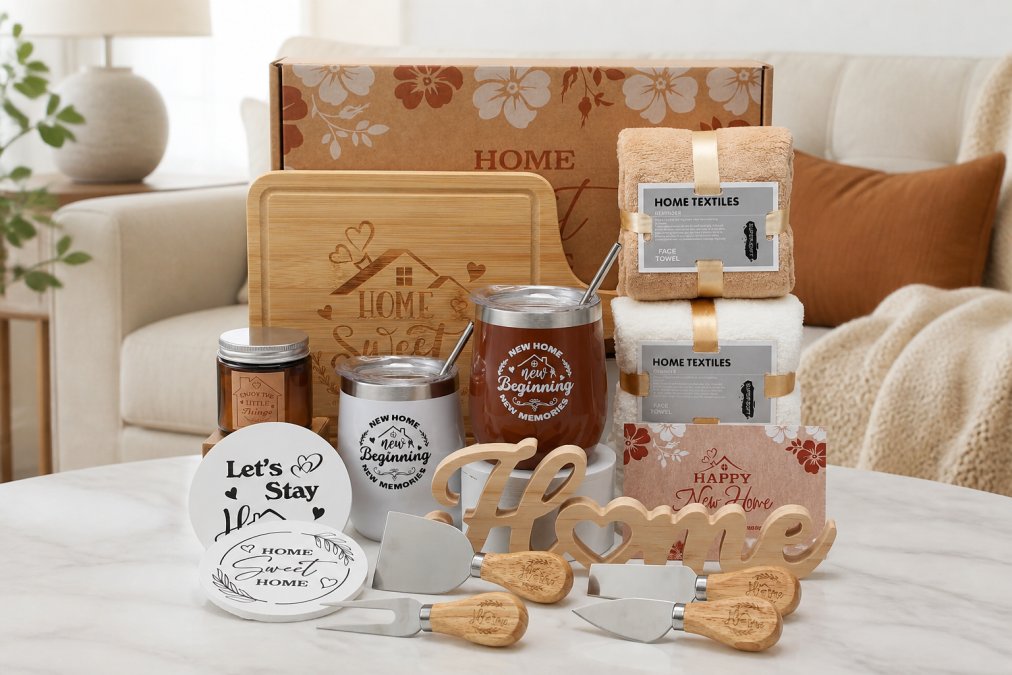
Table of Contents
- 1. A Quality Mattress and Bed Frame: Prioritizing Sleep
- 2. Sofa or Seating: The Living Room Foundation
- 3. Dining Table and Chairs: Essential for Gathering
- 4. Storage Solutions: Organization and Function
- How to Prioritize Furniture Purchases for Your Space
- New Home Furniture Checklist and Budget Strategy
- How to Furnish a House on a Budget Without Sacrificing Quality
- Conclusion: Building Your Home One Piece at a Time
Last Updated: August 25, 2026
1. A Quality Mattress and Bed Frame: Prioritizing Sleep
Sleep is where your body recovers and your health either improves or deteriorates. Yet most people furnish their bedroom last, treating it like an afterthought. A quality mattress and bed frame should be your first furniture purchase because they're the foundation of your energy, focus, mood, and ability to function.
The mattress you choose determines whether you wake up refreshed or stiff. A bed frame provides structural support that extends the mattress life by years. When selecting a mattress, firmness matters more than brand name. Memory foam suits side sleepers and heavier individuals. Innerspring or hybrid mattresses appeal to back sleepers. Latex offers durability and natural cooling. Test options for at least 10 minutes to feel how your spine aligns.
Bed frames serve multiple purposes beyond holding your mattress. A platform bed eliminates the need for a box spring and provides storage underneath. A metal frame with slats offers adjustability and airflow. An upholstered frame adds visual warmth. Choose based on your room's aesthetic and storage needs. Most frames last 10+ years.

Pro Tip
A common mistake is buying a mattress that's too soft. Budget options often sag within 18 months. Mid-range mattresses (around $800-1,200) typically offer 7-10 years of consistent support. Avoid the cheapest options; they're false economy.
Budget $1,200-2,000 combined for a quality mattress and frame. You spend roughly 8 hours daily in bed. Over 10 years, that's 29,000 hours (peer-reviewed research). The cost per hour of good sleep is negligible compared to the cost of poor sleep affecting your work, relationships, and health.
2. Sofa or Seating: The Living Room Foundation
Your living room is where you decompress, entertain, and spend downtime. A sofa or sectional anchors the space and determines how functional and inviting that room becomes. This is your second essential furniture purchase because it transforms your home from a place you sleep into a place you actually live.
The right sofa depends on your space and how you use it. A standard three-seater works for most apartments and smaller homes. A sectional suits open floor plans and families. A loveseat plus accent chair combination offers flexibility for smaller rooms. Consider your daily reality: Do you host regularly? Watch movies with family? Work from home?
Quality construction matters more than size. Look for hardwood frames, eight-way hand-tied springs or high-density foam, and removable, washable cushion covers. Leather ages beautifully but requires maintenance. Fabric offers warmth and variety. Microfiber is durable and stain-resistant, making it practical for households with kids or pets.

Position your sofa to face your TV or a focal point like a window or fireplace. Leave walkways clear. Ensure the scale matches your room; an oversized sectional in a small apartment feels cramped, while a tiny sofa in a large room feels lost.
Key Takeaway
The living room seating you choose sets the tone for how your home feels. Comfortable, quality seating invites people to stay longer, relax deeper, and feel genuinely at home.
Budget $1,000-2,500 for a sofa that will anchor your living room for years. Cheaper options ($300-600) often disappoint within a year as foam compresses and frames weaken.
3. Dining Table and Chairs: Essential for Gathering
A dining table is where your household connects. Meals eaten together strengthen relationships and create rituals. A dining table and chairs are your third essential purchase because they define how your home functions as a gathering space.
The size and shape depend on your space and how many people you typically feed. A round table seats four comfortably in a small space and encourages conversation. A rectangular table seats six to eight and fits efficiently along a wall. An extendable table offers flexibility. Measure your space carefully; you need at least 36 inches of clearance on all sides for chairs to pull out (aia.org).
Material affects both durability and maintenance. Solid wood ages beautifully and can be refinished if damaged. Wood veneers are less expensive but can't be repaired if scratched. Glass tops make spaces feel open but show fingerprints. Laminate is budget-friendly and durable but can't be refinished. For a new home, a simple wood table in a neutral tone adapts to almost any aesthetic.
Chairs should be comfortable enough for 30-minute meals. Mix and match styles; a bench on one side with individual chairs on the other creates visual interest and maximizes seating. Ensure chairs fit under the table when not in use.
Watch Out
A common mistake is buying a table that's too large. It dominates the space, makes small gatherings feel awkward, and limits furniture arrangement. Start smaller than you think you need.
Budget $600-1,500 for a dining table and four to six chairs. This is a long-term piece that shouldn't be replaced frequently. The Nutrichef 22-Piece Cookware and Bakeware Set available from AllWayzHome ($360) complements a dining setup by ensuring you have the tools to prepare meals worth gathering around.

4. Storage Solutions: Organization and Function
Storage is the invisible backbone of a functional home. Without it, clutter accumulates and rooms feel chaotic. A dresser, bookshelf, or storage cabinet is your fourth essential purchase because it prevents your new home from becoming an overwhelming pile of belongings.
The type of storage you prioritize depends on what you own and how you live. A bedroom dresser holds clothes and keeps them organized. A bookshelf displays books, plants, and personal items while adding visual interest. A storage console in an entryway contains shoes, bags, and keys. Most new homes need at least one primary storage piece immediately, usually a bedroom dresser or entryway console.
Quality storage lasts longer and functions better than cheap alternatives. Solid wood or high-quality plywood resists warping and supports weight without sagging. Soft-close drawers and doors prevent slamming and last longer. Adjustable shelves adapt as your needs change.
Open shelving works best for items you use regularly and want visible: books, plants, decorative pieces. Closed storage works for items you want hidden: clothes, cleaning supplies, seasonal items. Most functional homes combine both.
Pro Tip
Before buying storage furniture, audit what you actually own. Measure your belongings, count them, and buy storage that fits your actual volume, not what you think you should own.
Budget $300-800 for your first essential storage piece. A quality dresser or bookshelf will serve you for 15+ years. The 4 Inch Self Watering Planter from AllWayzHome ($28.80) pairs beautifully with open shelving to add life and warmth to storage displays.
How to Prioritize Furniture Purchases for Your Space
Buying all essential furniture at once isn't realistic for most budgets. Prioritizing strategically means you get the most important pieces first, then build from there.
Week 1-2: Sleep and Basic Seating Start with a mattress, bed frame, and basic seating. These two pieces determine whether your home feels livable. Allocate 50-60% of your furniture budget here.
Month 1-2: Dining and Storage Add a dining table and chairs, plus one storage piece. Your home now functions as a complete living space. Allocate 20-25% of your budget here.
Month 2-3: Refinement and Accessories Add accent furniture, side tables, additional seating, wall art, lighting. These pieces enhance comfort and aesthetics without being essential. Allocate 15-20% of your budget here.
This sequence ensures you're never without fundamentals while gradually building a complete, personalized home.
New Home Furniture Checklist and Budget Strategy
Creating a realistic budget prevents overspending and ensures you prioritize correctly. Start by calculating your total available funds, then allocate by category based on importance and frequency of use.
| Furniture Category | Priority | Budget Allocation | Timeline | Why It Matters |
|---|---|---|---|---|
| Mattress & Bed Frame | 1 | 30-35% | Week 1 | Affects sleep quality and health |
| Sofa or Seating | 2 | 20-25% | Week 2 | Determines living room function |
| Dining Table & Chairs | 3 | 15-20% | Month 1 | Enables gathering and meals |
| Storage (Dresser/Bookshelf) | 4 | 10-15% | Month 1 | Prevents clutter and chaos |
| Accent Pieces & Accessories | 5 | 10-15% | Month 2-3 | Adds personality and warmth |
Sample Budget Breakdown for $5,000 Total:
- Mattress & Frame: $1,500
- Sofa: $1,200
- Dining Table & Chairs: $1,000
- Dresser: $500
- Accessories (lamps, art, plants): $800
This allocation ensures you cover essentials first. If your budget is smaller, reduce the accessory allocation but maintain the percentages for core pieces.
Best For
New homeowners with moderate budgets who want a strategic approach to furnishing that prioritizes daily comfort over aesthetic completion.
How to Furnish a House on a Budget Without Sacrificing Quality
Furnishing a home affordably doesn't mean buying cheap furniture that falls apart. It means being intentional about where you invest and where you compromise.
Invest in pieces you use daily. Your mattress, sofa, and dining chairs support your body constantly. A $1,500 mattress used 8 hours daily for 10 years costs $0.05 per hour. Budget furniture in these categories fails quickly and costs more to replace.
Compromise on pieces you see but don't use. Wall art, decorative objects, and accent furniture don't affect your comfort directly. A piece of art from AllWayzHome's collection serves the same visual purpose as a more expensive original.
Buy second-hand when possible. Used furniture markets, Facebook Marketplace, and estate sales offer quality pieces at 40-60% discounts. Solid wood dressers, tables, and bookcases from 20 years ago often outlast new budget furniture. Inspect for structural integrity; wobbly frames or broken drawers signal poor bones.
Choose neutral base pieces, personalize with accessories. A simple wood dining table in natural finish costs less than a designer piece and adapts to any style you develop later. Personalize with a runner, centerpiece, or artwork.
Measure before buying. A sofa that doesn't fit your doorway or a table too large for your space becomes dead money. Spend 30 minutes measuring doorways, hallways, room dimensions, and ceiling height before shopping.
Bundle purchases when possible. AllWayzHome's Housewarming Gifts for New Home 19 Pieces House Warming Gifts Set ($95) bundles essentials like serving boards, towels, candles, and kitchen tools. Bundles often cost less than buying separately and ensure coordinated aesthetics.

The difference between a $300 sofa and a $1,500 sofa appears in year three when the cheap sofa sags and the quality sofa still feels firm. Budget strategically, not cheaply, and your home will feel better for years.
Conclusion: Building Your Home One Piece at a Time
Furnishing a new home is overwhelming. Thousands of options and the pressure to get it "right" can paralyze decision-making. But your home doesn't need to be perfect immediately. It needs to be functional, comfortable, and gradually reflect who you are.
Start with the fundamentals: sleep, seating, dining, storage. These four categories create a livable space. Then add pieces intentionally, choosing quality over quantity and personal preference over trends. Your home is where you spend the most time outside of work. It deserves investment in your comfort and well-being.
AllWayzHome specializes in helping new homeowners transform houses into warm, inviting sanctuaries. From personalized wall signs like the Welcome Home Wall Sign ($69.99) to curated gift bundles and practical essentials, our collection supports your vision of home. Explore our selection of housewarming gifts, storage solutions, and home décor at AllWayzHome and discover how intentional choices create spaces that feel genuinely yours. Explore More

Frequently Asked Questions
Q: What furniture should I buy first when moving into a new house?
A: Start with items that support daily living: a quality mattress and bed frame for sleep, a sofa or seating for your living room, and a dining table for meals. These three pieces form the foundation of your home. Once these essentials are in place, add storage solutions like dressers or shelving, then move to accent pieces. Prioritizing this way ensures your home is functional from day one while you build out the rest gradually.
Q: How do I create a new home furniture checklist on a budget?
A: List items by room and prioritize by necessity: bedroom (mattress, bed frame), living room (sofa, coffee table), dining area (table, chairs), and storage (dresser, shelves). Set a total budget and allocate percentages to each category, typically 40% for bedroom, 30% for living room, 20% for dining, and 10% for accent pieces. Consider buying quality core pieces first and adding décor gradually. Look for multi-functional items that serve multiple purposes to stretch your budget further.
Q: Is it better to buy all furniture at once or piece by piece?
A: Buying piece by piece is generally smarter. It allows you to assess your space, understand your style preferences, and avoid costly mistakes. Purchasing everything at once can lead to mismatched pieces or items that don't fit your layout. Start with essentials, live in your space for a few weeks, then add complementary pieces. This approach also spreads costs over time and gives you flexibility to adjust as your needs become clearer.
Q: How can I furnish a house on a budget without sacrificing quality?
A: Focus on investment pieces for items you use daily, mattresses, sofas, and dining tables deserve quality construction because they impact comfort and longevity. For accent furniture and décor, consider second-hand options, sales, or budget-friendly retailers. Mix high-quality core pieces with affordable accessories. AllWayzHome offers curated bundles like the 19-piece housewarming set ($95) that combine essentials with décor, helping you achieve a cohesive look without overspending on individual items.
Q: What makes furniture a good long-term investment for a new home?
A: Durable materials, solid construction, and timeless design ensure furniture lasts years and adapts to changing styles. Look for hardwood frames, quality upholstery, and neutral colors that work with multiple décor schemes. Pieces that serve multiple functions, like storage ottomans or expandable tables, offer better value. Proper maintenance extends lifespan significantly. Investing in a few quality foundational pieces means you won't need to replace them frequently, making them cost-effective over time despite higher upfront costs.
Building your home is a journey, not a sprint. Prioritize what matters most, invest in quality where it counts, and let your space evolve naturally. The furniture you choose first sets the foundation for everything that follows. Choose wisely, and your home will serve you well for years to come.
This article was written using GrandRanker