Cart
0
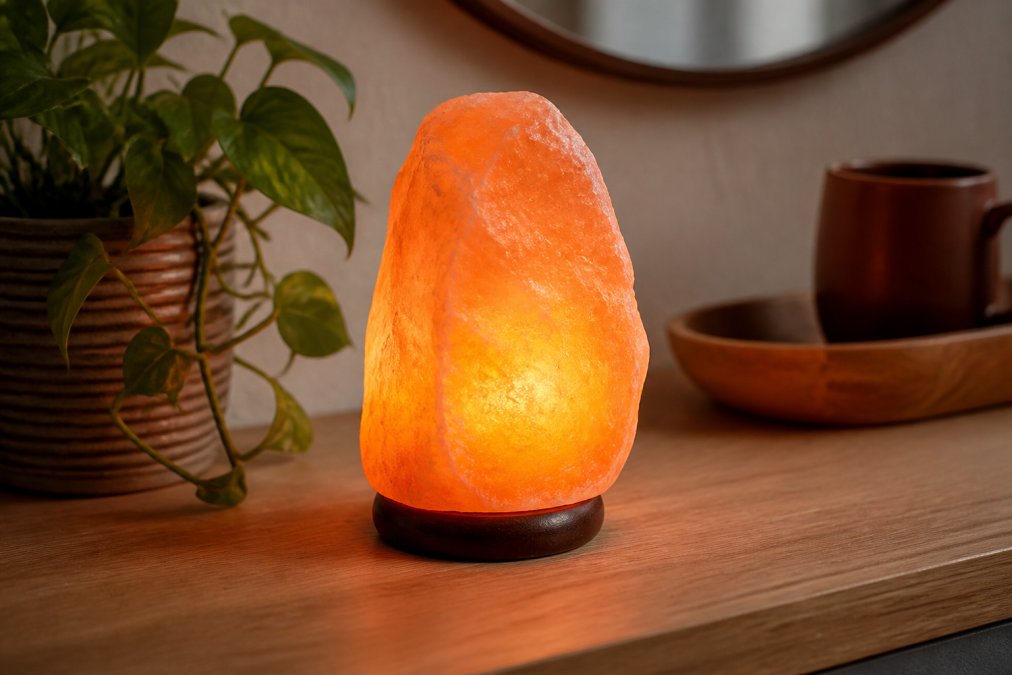
Table of Contents
- What Are Himalayan Salt Lamps and How Do They Work?
- Himalayan Salt Lamp Benefits: Separating Fact from Fiction
- How to Choose a Real Salt Lamp: What Actually Matters
- Salt Lamp Safety Hazards and Maintenance Concerns
- The Real Reason to Buy a Salt Lamp: Aesthetic and Psychological Value
- Is a Salt Lamp Worth It for Your Home?
- Conclusion
Last Updated: August 16, 2026
What Are Himalayan Salt Lamps and How Do They Work?
A Himalayan salt lamp is a block of crystallized salt mined from ancient deposits in Pakistan that emits a warm, amber glow when lit from within by a light bulb or candle. The lamp consists of salt crystal carved into a decorative shape with a hollow interior housing the light source. When illuminated, the translucent salt diffuses light into soft, warm tones.
According to manufacturers, heat from the internal light causes the salt to warm slightly and release negative ions into the air. These ions theoretically interact with moisture to improve air quality, though the actual ionization effect remains scientifically contentious.
What's undeniable is the aesthetic appeal. The warm glow creates a calming visual environment that many find soothing, regardless of air-purifying properties. At AllWayzHome, we recognize that a salt lamp's true value often lies in its emotional and visual impact rather than claimed health benefits.
Authentic Himalayan salt lamps range from small 1-pound accent pieces to large 10-pound statement pieces. Color varies from pale pink to deep orange depending on mineral content. Cheaper imitations made from plaster or synthetic materials exist, so understanding what you're buying matters before investing.
Himalayan Salt Lamp Benefits: Separating Fact from Fiction
The Negative Ion Claim
Manufacturers claim that heating salt crystals releases negative ions that purify air by attaching to dust, allergens, and pollutants, weighing them down so they fall rather than circulate in your lungs.
Negative ions do exist in nature near waterfalls and beaches, and many people report feeling energized in these environments. However, independent testing shows that most salt lamps produce negligible ionization compared to commercial air ionizers. The heat required to generate therapeutic ion levels would far exceed what a standard household lamp produces.
If you're buying a salt lamp specifically for air purification, you'll likely be disappointed compared to a HEPA filter or dedicated air purifier.
Air Quality and Respiratory Health
The claim that salt lamps improve respiratory health often stems from salt therapy traditions used in salt caves and medical settings. However, sitting near a salt lamp differs fundamentally from salt inhalation therapy, which involves breathing concentrated salt particles in controlled environments.
A Himalayan salt lamp won't deliver respiratory benefits of actual halotherapy. The salt crystal doesn't generate enough airborne salt particles to meaningfully affect your lungs or sinuses. For genuine respiratory support, consult a healthcare provider about evidence-based treatments.
The calming environment a lamp creates could indirectly support respiratory wellness by reducing stress, a known trigger for asthma and other respiratory issues. But that's an environmental benefit, not a direct physiological one.
Mood, Sleep, and Stress Relief
This is where salt lamps have stronger footing. The warm amber light mimics sunset and candlelight, both signaling your body that it's time to wind down. Salt lamps typically emit 1,500 to 2,000 Kelvin, warmer than standard household lighting and closer to the spectrum supporting melatonin production.
Exposure to cooler blue light suppresses melatonin and keeps you alert. Warm lighting does the opposite, creating an environment conducive to relaxation and sleep preparation. Using a salt lamp in your bedroom during evening hours can genuinely support better sleep hygiene.
The stress-reduction aspect also has merit, though primarily psychological. The aesthetic appeal and ritual of lighting the lamp create a moment of intention and calm. When sitting near a softly glowing salt lamp, you're engaging in a mindfulness-adjacent activity that has real effects on stress levels.
| Claimed Benefit | Scientific Support | Realistic Expectation |
|---|---|---|
| Air purification via negative ions | Minimal | Negligible ionization; not a replacement for air filters |
| Respiratory health improvement | Weak | Unlikely to affect asthma or allergies directly |
| Better sleep quality | Moderate | Warm light supports melatonin; psychological effect significant |
| Stress and mood enhancement | Strong | Lighting and aesthetic appeal create calming environment |
| General wellness | Anecdotal | Depends on individual perception and use |
How to Choose a Real Salt Lamp: What Actually Matters
When shopping for a salt lamp, authenticity matters. Fake lamps made from plaster, resin, or rock salt lack the translucency and warm glow of genuine Himalayan crystal salt.
Verify the material. Genuine Himalayan salt lamps have translucent quality with visible depth and color variation when illuminated. Real salt shows visible mineral inclusions and color variations; perfect uniformity is a red flag.
Check the weight. Salt is dense. A 5-pound lamp should feel substantial, roughly the weight of a small dumbbell. Unusually light lamps likely contain synthetic material.
Examine the base. Quality salt lamps have sturdy wooden or metal bases designed to handle weight and heat. Flimsy plastic bases suggest low-quality products. The base should feel stable when tilted slightly.
Look for certification or source information. Reputable sellers provide information about where salt was sourced. Himalayan salt comes from specific mining regions in Pakistan. If a seller can't tell you the origin, that's a warning sign.
Consider the light source. Modern salt lamps use incandescent bulbs or LEDs. Incandescent bulbs generate more heat, theoretically supporting ionization claims (though the effect is minimal). LEDs run cooler and use less electricity. For aesthetic purposes, either works.
Assess size relative to your space. A 5-pound lamp works well for a bedroom or small office. Larger spaces benefit from 8- to 10-pound lamps or multiple smaller ones.
Price as an indicator. Authentic Himalayan salt lamps typically cost $25 to $75 depending on size and quality. Prices significantly below this range suggest synthetic materials. At AllWayzHome, we curate home décor selections balancing authenticity with value.
Salt Lamp Safety Hazards and Maintenance Concerns
Salt lamps aren't without risks. Understanding these concerns helps you use them safely.
Moisture sensitivity. Salt is hygroscopic and absorbs moisture from air. In humid environments, bathrooms, basements, or damp climates, your lamp will gradually dissolve or develop a wet surface. Keep salt lamps away from direct moisture sources and use them in drier rooms.
Heat and electrical safety. The light bulb generates heat. If placed near flammable materials, curtains, bedding, papers, there's a fire risk. Ensure your lamp sits on a stable, heat-resistant surface away from anything that could catch fire. Check the electrical cord regularly for damage.
Fragility. Salt crystals are brittle. A fall can crack or shatter the lamp. If you have young children or pets, place it somewhere secure and out of reach.
Maintenance requirements. Dust accumulates over time. Wipe your lamp occasionally with a slightly damp cloth to maintain its glow. If it becomes excessively wet, reduce humidity in the room or move it to a drier location.
Light bulb replacement. The internal bulb will eventually burn out. Replacing it varies by design. Check manufacturer's instructions before purchasing.
Weight considerations. Larger salt lamps are heavy. Ensure the surface can support the weight without tipping.
Watch Out
In humid climates or bathrooms, salt lamps deteriorate quickly and may leave salt residue on surfaces. Keep them in dry rooms only. Never place a lit salt lamp near curtains, bedding, or other flammable materials; the heat creates a fire risk.
The Real Reason to Buy a Salt Lamp: Aesthetic and Psychological Value
Strip away the health claims, and what remains is genuinely valuable: a beautiful light source that creates a specific mood in your home.
The warm amber glow of a salt lamp is difficult to replicate with standard lighting. Most household bulbs emit cooler, harsher light that feels clinical. A salt lamp creates an intimate, candlelit atmosphere. This aesthetic quality is why interior designers value them, not because they purify air, but because they transform a room's emotional character.
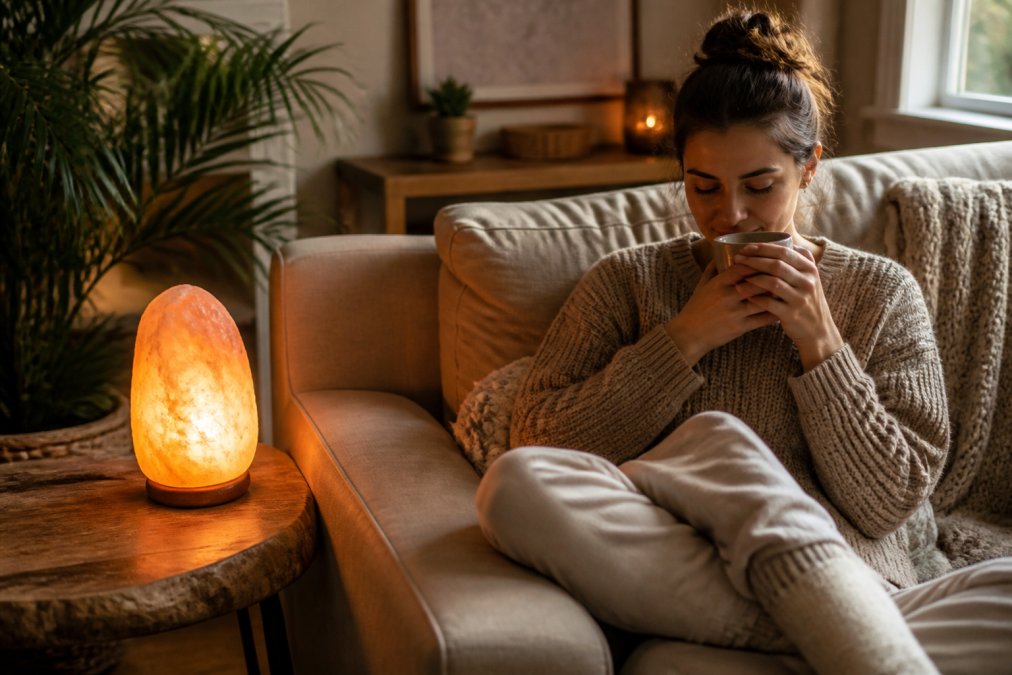
Warm, amber tones are associated with comfort, safety, and relaxation. Humans are drawn to firelight and candlelight for evolutionary reasons; these warm glows signal safety and home. A salt lamp taps into that same psychological response.
Stress reduction through environmental design is well-established. When you create a space that feels warm and inviting through lighting and aesthetic choices, you're actively supporting your mental well-being.
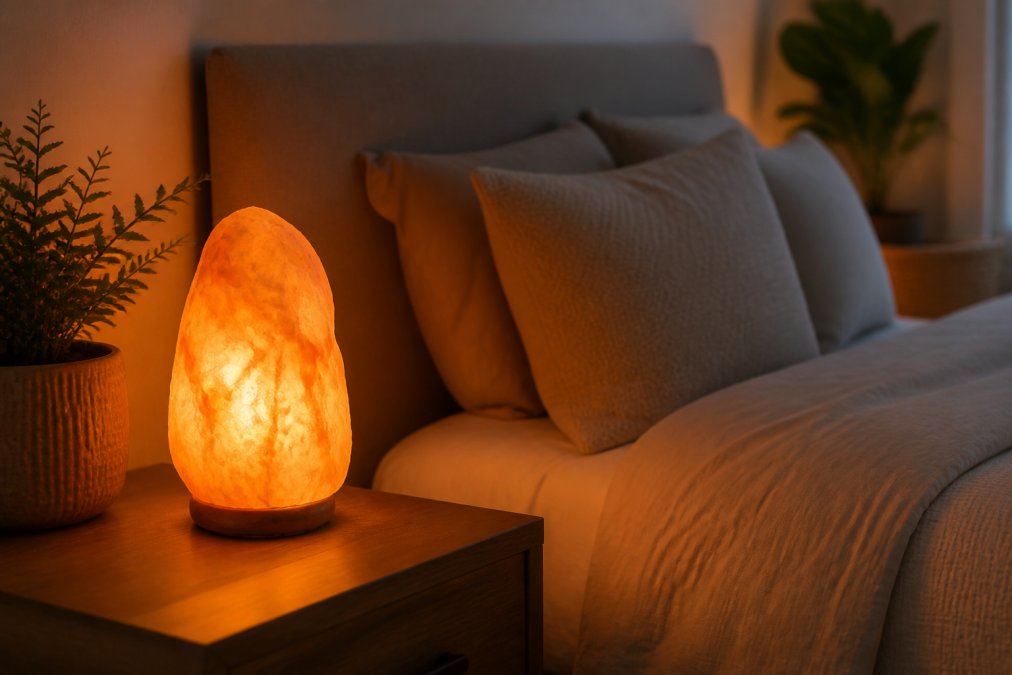
Salt lamps serve as intentional décor, signaling that your space is designed for comfort and relaxation. In a world of harsh fluorescent lights and blue-light screens, a salt lamp represents a deliberate choice to slow down.
For renters and people who move frequently, salt lamps are ideal. They're affordable, portable, and don't require installation.
Pro Tip
Pair your salt lamp with other warm-toned elements, soft blankets, candles, or warm-colored décor, to amplify the calming effect. At AllWayzHome, we curate collections like the [Lilac and Lavender Spa Gift Basket](https://allwayzhome.com/products/lilac-and-lavender-spa-gift-basket) that complement warm ambient lighting, creating a complete sensory experience of relaxation.
Is a Salt Lamp Worth It for Your Home?
The answer depends on what you're buying it for. If you seek a medical-grade air purifier or cure for respiratory issues, a salt lamp isn't worth the investment. You'd be better served by evidence-based alternatives like HEPA filters.
But if you want an affordable, beautiful light source that creates a warm, calming atmosphere, a salt lamp is genuinely worth considering. The aesthetic and psychological benefits are real.
Worth it if: You want warm ambient lighting for your bedroom, living room, or office. You appreciate natural materials and warm tones. You're looking for an affordable way to create a calming evening environment. You want a portable décor piece for rentals or frequently-changing spaces.
Not worth it if: You have respiratory conditions and expect medical help. You live in a very humid climate where the lamp will deteriorate. You need serious air purification. You're skeptical about ionization claims and would feel like you're wasting money.
A genuine Himalayan salt lamp costs $30 to $75, depending on size. That's accessible for most budgets and a low-risk investment.
If you're drawn to creating a more intentional, warm home environment and appreciate natural materials, a salt lamp is a low-risk addition. Pair it with other warm-toned elements like candles, soft blankets, or plants. Products like the Home Blessings Intention Candle or the Good Salt Candle complement the warm glow beautifully, creating layered lighting and fragrance that transforms a room into a genuine retreat.


The real question is whether creating a warm, intentional space in your home is worth $40 to you. For most people, the answer is yes.
Conclusion
A Himalayan salt lamp is worth buying if you value aesthetic appeal and psychological comfort over medical claims. The ionization and air-purification benefits are overstated; genuine improvements require dedicated equipment. However, the warm amber glow creates a calming environment supporting better sleep and stress reduction through environmental design alone. Choose an authentic lamp, maintain it properly in a dry space, and pair it with complementary décor from AllWayzHome to maximize its impact. For an affordable way to transform a room's mood and create intentional moments of relaxation, a quality salt lamp delivers real value.
Frequently Asked Questions
Do Himalayan salt lamps actually improve air quality?
Himalayan salt lamps don't meaningfully purify air in the way air purifiers do. While salt is hygroscopic (it absorbs moisture), the amount of air-cleaning effect from a salt lamp is minimal. The scientific consensus is that they won't reduce pollutants or allergens to any measurable degree. However, they do create ambient lighting that many people find soothing, which may indirectly support relaxation.
Can salt lamps help with anxiety and stress?
There's no direct scientific evidence that negative ions from salt lamps reduce anxiety. However, the warm, soft glow and the ritual of using a salt lamp can create a calming environment. This psychological effect, the feeling of tranquility in a warm-lit space, may help some people relax, even if the mechanism isn't what manufacturers claim. The aesthetic appeal matters more than the ion theory.
How do you know if a salt lamp is authentic?
Real Himalayan salt lamps are heavy, warm to the touch when lit, and have an uneven, natural appearance with color variations. Authentic lamps should feel slightly damp or sticky due to salt's hygroscopic nature. Avoid lamps that are perfectly uniform, extremely cheap, or don't get warm, these are often plastic fakes. Check the weight relative to size; genuine salt is dense. Buy from reputable retailers to reduce the risk of counterfeit products.
What are the main safety hazards with salt lamps?
Salt lamps can pose risks if left on continuously, they generate heat and may cause burns if touched. They're also hygroscopic, so they can leak or sweat in humid environments, potentially damaging surfaces or creating electrical hazards if the cord gets wet. Keep them away from children and pets, never leave them unattended while on, and place them on heat-resistant surfaces away from moisture and flammable materials.
This article was written using GrandRanker