Cart
0
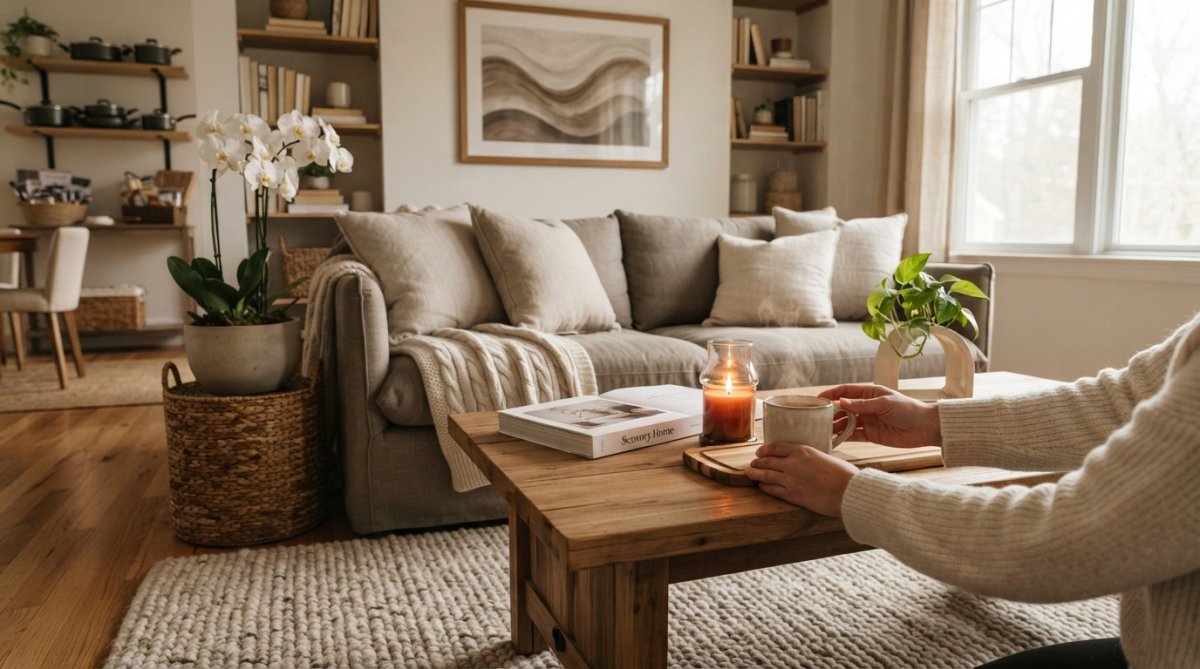
Table of Contents
- How to Create a Warm Home Atmosphere: The Sensory Approach
- Layer Textures and Soft Furnishings for Tactile Warmth
- Ambient Lighting for Cozy Home Spaces
- Warm Color Palette for Home: Choosing Inviting Hues
- Scent and Aromatherapy: Budget-Friendly Sensory Hacks
- Creating a Welcoming Home Through Furniture and Layout
- Declutter and Personalize for a Home Sanctuary
- Add Greenery and Natural Elements
How to Create a Warm Home Atmosphere: 8 Sensory Steps
Last Updated: July 23, 2026
Learning how to create a warm home atmosphere transforms your living space into a true sanctuary. The real magic happens when you engage multiple senses at once. At AllWayzHome, we've found that the most inviting homes combine tactile textures, ambient lighting, thoughtful scents, and intentional layouts. When your environment stimulates the right sensory cues, soft textures underfoot, warm light sources, subtle fragrances, your brain releases chemicals that promote relaxation and comfort.
Layer Textures and Soft Furnishings for Tactile Warmth
The foundation of any warm home atmosphere starts with what you can touch. Layering textures creates depth and invites people to physically interact with your space.
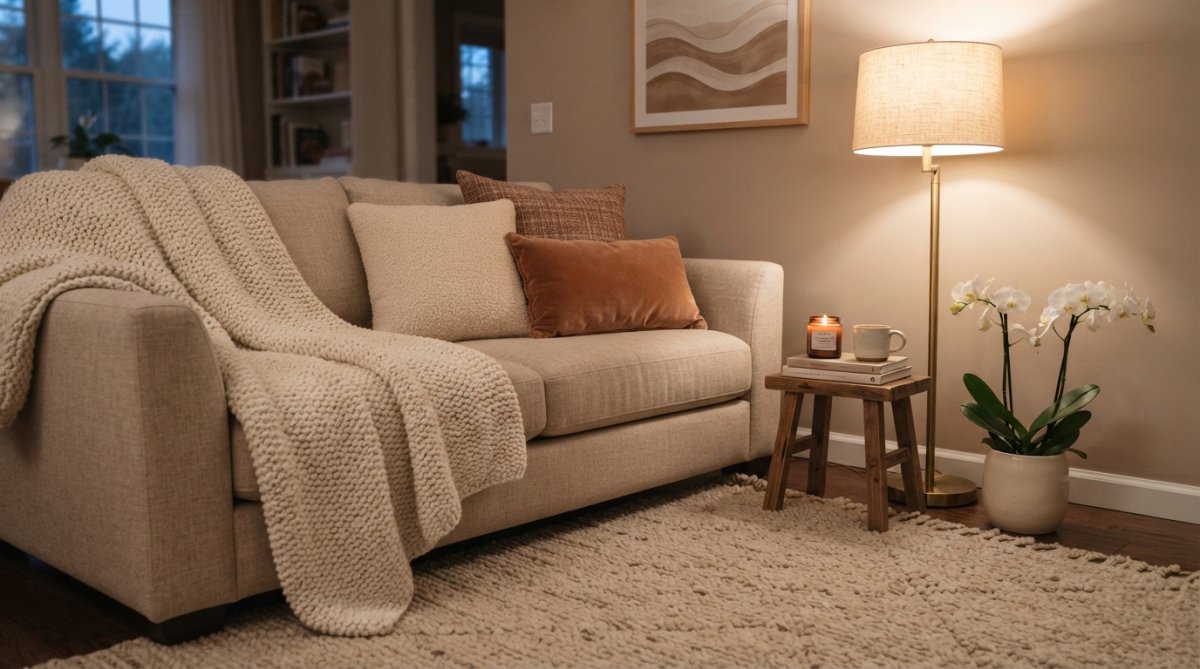
Throw blankets and cashmere comfort serve as both functional warmth and visual softness. Drape a quality throw blanket across your sofa or chair, it signals that comfort is prioritized. The Velveteen Plush Blanket from AllWayzHome at $38.52 provides tactile richness without a designer price tag. Place throw blankets in high-traffic areas: over sofas, on bedroom chairs, or folded in baskets near seating. Wrapping yourself in a soft blanket triggers a psychological shift toward relaxation.
Wool rugs and area rugs for grounding anchor a room and add warmth underfoot. Hard flooring reflects sound and feels cold; a quality area rug absorbs sound, insulates your feet, and creates a defined gathering zone. Wool rugs are durable, naturally stain-resistant, and warm to the touch.
Size matters: the front two legs of your sofa should sit on the rug. In a bedroom, place it so your feet touch it when you get out of bed.
Pro Tip
Layer multiple smaller rugs rather than one large one. A 5x7 rug under your seating area plus a smaller 3x5 rug in an adjacent zone creates visual interest and defines separate functional areas.
Ambient Lighting for Cozy Home Spaces
Lighting is the single most powerful tool for creating atmosphere. Harsh overhead lights flatten a room; warm, layered lighting from multiple sources creates depth and comfort.
The temperature of light matters as much as its brightness. Warm white bulbs (2700K and below) mimic candlelight and firelight, triggering relaxation. For a warm home atmosphere, every bulb in living spaces should be warm white.
Warm white bulbs and sconces create pools of light rather than blanket brightness. Sconces mounted on walls beside seating areas, in hallways, and flanking mirrors provide directional light that's flattering and intimate. Replace all overhead fixtures with warm white bulbs as your first step, then add sconces to create layered lighting zones.
Fairy lights and floor lamps add flexibility and whimsy. String lights create a gentle, ambient glow; floor lamps with fabric shades diffuse light softly. Use at least three different light sources in any room where you spend significant time, a sconce, a floor lamp, and a table lamp give you control over mood without relying on a single overhead light.
Key Takeaway
Warm white light (2700K) triggers the same relaxation response as firelight. Every bulb in your living spaces should be warm white, this single change makes more difference than any decorative item.
Warm Color Palette for Home: Choosing Inviting Hues
Cool colors are calming but can feel distant. Warm colors feel embracing and intimate. A warm home atmosphere doesn't require every wall to be orange, it's about choosing a cohesive, inviting palette.
Neutral warm tones form the foundation: warm grays, warm whites (cream, ivory, warm taupe), and warm browns. Against this backdrop, add accent colors in warm jewel tones: terracotta, rust, warm gold, deep burgundy, or warm sage green.
Always test paint colors on large sections of wall and observe them at different times of day. A color that looks warm at noon might look cold at 6 PM under artificial light.
Textiles and furnishings offer an easier way to experiment than paint. Throw pillows in warm terracotta or rust against a neutral sofa create visual warmth without permanent commitment. A warm-toned area rug grounds a room in earth tones.
The 60-30-10 rule works well: 60% neutral warm tones (walls, large furniture), 30% secondary warm color (accent furniture, larger textiles), 10% accent color (pillows, artwork, decorative objects).
Scent and Aromatherapy: Budget-Friendly Sensory Hacks
Scent is the most emotionally evocative sense. Adding intentional fragrance is one of the fastest ways to make a space feel curated and welcoming.
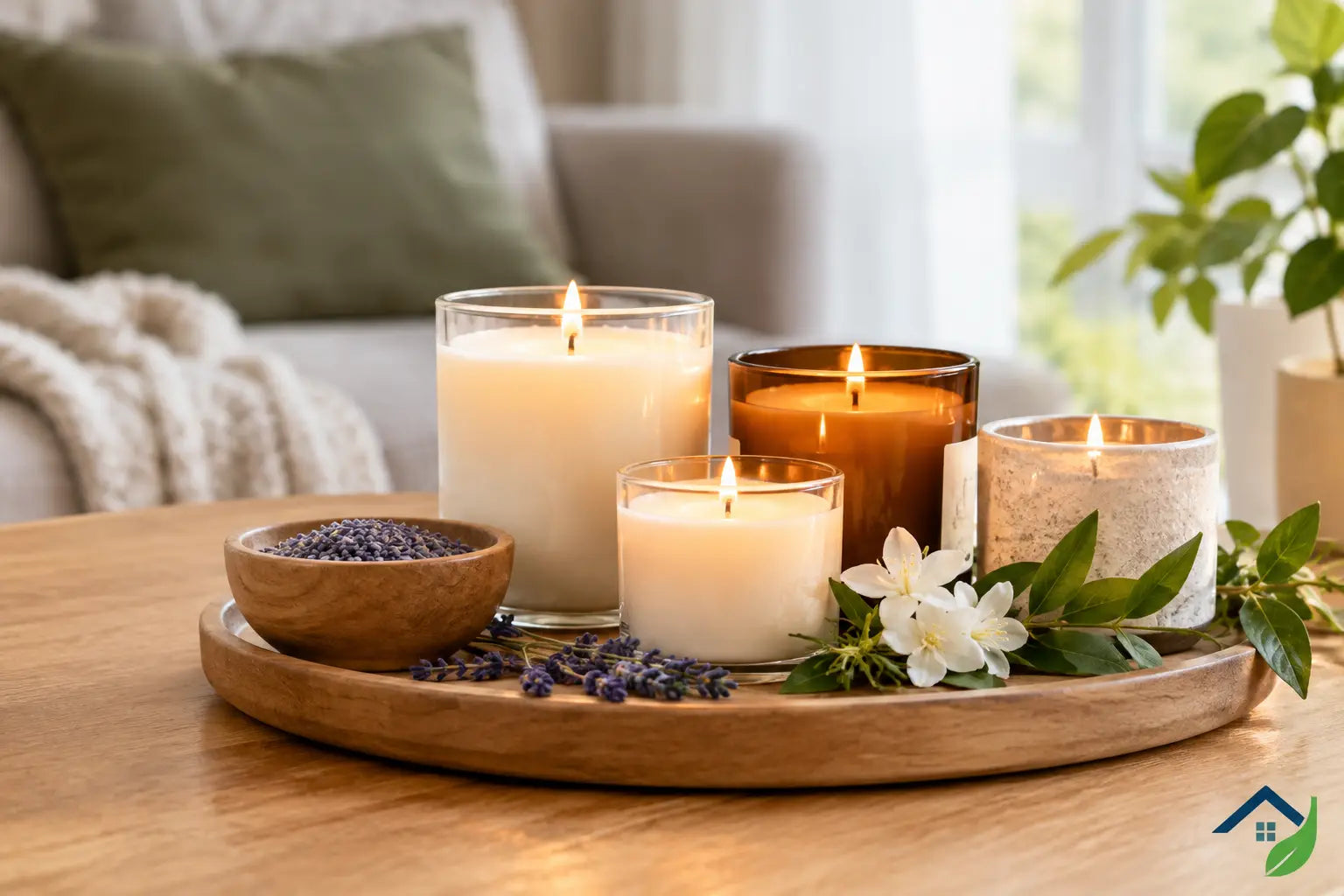
Scented candles and simmer pots are the most accessible entry points. A quality scented candle signals that you've taken time to create an experience. The Cinnamon Swirl Signature Candle from AllWayzHome at $18.95 combines warmth with subtle sweetness, scents that naturally feel cozy.
Place candles in rooms where you spend the most time, and light them 30 minutes before settling in so the scent fills the space. Choose natural or soy candles, which burn cleaner and scent more subtly than paraffin.
Simmer pots offer an intentional alternative. Fill a small pot with water and add cinnamon sticks, citrus peels, vanilla extract, or fresh herbs. Simmer on low heat. Budget-friendly hacks include simmering dried citrus peels with cinnamon or placing fresh herbs like rosemary in small bowls around your home.
Avoid artificial air fresheners and plug-in fragrances, they often smell chemical and overwhelming. Rotate fragrances seasonally: warm spices in fall and winter, fresh florals and citrus in spring and summer.
Watch Out
Too much scent is worse than too little. A room that smells overpowering actually makes people want to leave. Start with one candle or simmer pot.
Creating a Welcoming Home Through Furniture and Layout
How your furniture is arranged determines whether a space feels inviting or isolating. A room where all seating faces the television is functional but doesn't encourage connection.
Conversational zones and cozy nooks are the architectural backbone of a warm home atmosphere. Instead of pushing all furniture to the walls, create intimate groupings where people naturally face each other. A sofa and two chairs arranged in a loose triangle invites conversation.
Cozy nooks serve solitude and comfort. A corner with a comfortable chair, a side table, and a floor lamp becomes a refuge. Layer it with a throw blanket and cushion, and you've created a space for slowing down.
Furniture arrangement also affects how light moves through a space. Avoid blocking windows or light sources with large furniture. Position seating to take advantage of natural light during the day and artificial light at night.
Appropriately scaled furniture that fits the room creates balance and comfort. Leave at least 18 inches of walking space around major pieces.
Pro Tip
Create a "gathering point" in your home where people naturally congregate. This might be a comfortable seating area, a kitchen island with stools, or a hallway bench. This focal point becomes the heart of your warm home atmosphere.
Declutter and Personalize for a Home Sanctuary
A cluttered space, no matter how beautifully decorated, never feels warm. Clutter creates visual noise that overwhelms the brain and triggers stress.
Minimalism meets family memories is the sweet spot. Remove items that don't serve a function or bring happiness, but keep meaningful objects that tell your story. A shelf with family photos, travel mementos, and carefully chosen books feels personal and inviting.
Start by removing 30% of the objects in a room. This immediately makes the space feel calmer. Then arrange remaining items intentionally. Group similar objects, use baskets to contain smaller items, and create visual breathing room on shelves.
Personalization transforms a decorated room into a home. Display items that matter to you: family photos, artwork you love, travel objects, or collections that bring joy. Create small vignettes: a shelf with three meaningful items arranged thoughtfully, a wall with carefully chosen photos, a corner with a plant and meaningful object.
Decluttering serves a psychological purpose. Removing items you've been holding onto creates closure and lightness, often preceding genuine warmth in your home atmosphere.
Add Greenery and Natural Elements
Living plants bring life into a space literally and figuratively. A room with plants feels more alive, more connected to nature, and more inviting. Plants also improve air quality and reduce stress.
Start with low-maintenance plants if you're not a natural gardener: pothos, snake plants, ZZ plants, and peace lilies thrive in most conditions. Place them in corners, on shelves, window sills, and side tables to create vertical interest.
Grouping plants together creates more dramatic effect than scattering them individually. Three plants of varying heights in one corner create a focal point and feel intentional.
Natural materials, wood, stone, leather, wool, add warmth that synthetic materials can't match. A wooden side table, stone coaster, leather chair, or wool throw signal that you've chosen materials that age gracefully and feel authentic.
Fresh flowers add temporary beauty and fragrance. A simple seasonal arrangement in a clear vase costs little but signals intentional beauty. Change the water every few days and trim stems.
Natural light is the ultimate natural element. Maximize it by keeping windows clean, using sheer curtains, and arranging furniture to take advantage of daylight. If your home is naturally dark, invest in high-quality artificial lighting that mimics natural light.
| Element | Purpose | Budget Option | Premium Option |
|---|---|---|---|
| Throw blankets | Tactile warmth, visual softness | Cotton knit from general retailers | Cashmere or wool blend |
| Area rugs | Grounding, sound absorption, warmth | Synthetic fiber rug | Natural wool or jute rug |
| Warm white bulbs | Ambient lighting, relaxation | Standard warm white LED | Dimmable warm white with color adjustment |
| Scented candles | Fragrance, ambiance | Soy candle from general retailers | Premium natural candle (AllWayzHome Cinnamon Swirl at $18.95) |
| Plants | Visual interest, air quality | Low-maintenance pothos or snake plant | Curated plant collection with planters |
| Seating arrangement | Conversation zones, comfort | Rearranging existing furniture | New furniture scaled to space |
Bringing It All Together: Your Warm Home Atmosphere Action Plan
Creating a warm home atmosphere doesn't require a complete renovation or significant expense. Start by fixing your lighting with warm white bulbs and adding sconces or floor lamps. Next, add soft furnishings, throw blankets and an area rug transform a space almost immediately. Then introduce scent through candles or simmer pots. Finally, arrange furniture to create conversational zones and declutter to let your personal touches shine.
You can shift the mood of a room in a single afternoon by adjusting lighting and adding blankets. Deeper changes take longer but compound the effect. The key is consistency: a warm home atmosphere is layered over time as you discover what makes your space most inviting.
Remember that a warm home atmosphere is deeply personal. Pay attention to how you feel in different spaces, what makes you want to linger, and what triggers relaxation. Your home should reflect your sensory preferences and personality.
Creating a warm home atmosphere requires intentional choices across lighting, texture, scent, and layout. AllWayzHome specializes in curated collections that make this process easier, from their elegant Cinnamon Swirl Signature Candle to their Velveteen Plush Blanket, each designed to add warmth and character to your living space. Explore AllWayzHome's thoughtfully bundled items to discover the pieces that will transform your house into the sanctuary you deserve.
Frequently Asked Questions
What makes a house feel warm and inviting?
A warm home atmosphere combines multiple sensory elements: soft textures like throw blankets and wool rugs, warm white ambient lighting from sconces and floor lamps, inviting colors in warm tones, and welcoming scents from scented candles or simmer pots. Furniture arranged in conversational zones, decluttered spaces, and personal touches like family photos and greenery all contribute to creating that cosy, inviting feeling that makes a space feel like a true sanctuary.
How can I create a warm home atmosphere on a budget?
Budget-friendly sensory hacks include: swapping out standard bulbs for warm white LED bulbs (inexpensive but transformative), using affordable throw blankets like the Velveteen Plush Blanket ($38.52), making DIY simmer pots with cinnamon and citrus peels instead of expensive diffusers, rearranging existing furniture into conversational zones, and adding low-cost greenery from local nurseries. Scented candles like the Cinnamon Swirl Signature Candle ($18.95) create instant warmth without major investment. Focus on layering textures and lighting first, these have the biggest visual and emotional impact.
What colors create a warm and cozy atmosphere?
Warm color palettes include earthy tones like terracotta, ochre, warm browns, and soft creams that naturally evoke comfort. Deeper jewel tones like burnt orange and warm burgundy add richness, while warm whites and off-whites provide a soften, inviting backdrop. Avoid cool grays and cool blues, which feel clinical. Pair warm wall colors with warm white lighting (2700K-3000K bulbs) to enhance the cosy aesthetic. Even small touches, a warm-colored area rug or throw blanket, can shift an entire room's mood toward warmth and welcoming.
How do seasonal transitions affect home warmth and atmosphere?
Seasonal transitions let you refresh your warm home atmosphere year-round. In fall and winter, layer heavier textures like cashmere throws, light more candles, and use deeper warm tones. Spring and summer allow lighter fabrics, fresher scents, and brighter warm whites. Rotating décor seasonally, swapping out throw pillows, changing scent profiles, or adjusting lighting intensity, keeps your home feeling intentional and prevents aesthetic fatigue. This approach also helps renters and budget-conscious decorators refresh their space without permanent changes, making seasonal warmth accessible to everyone.
This article was written using GrandRanker