Cart
0
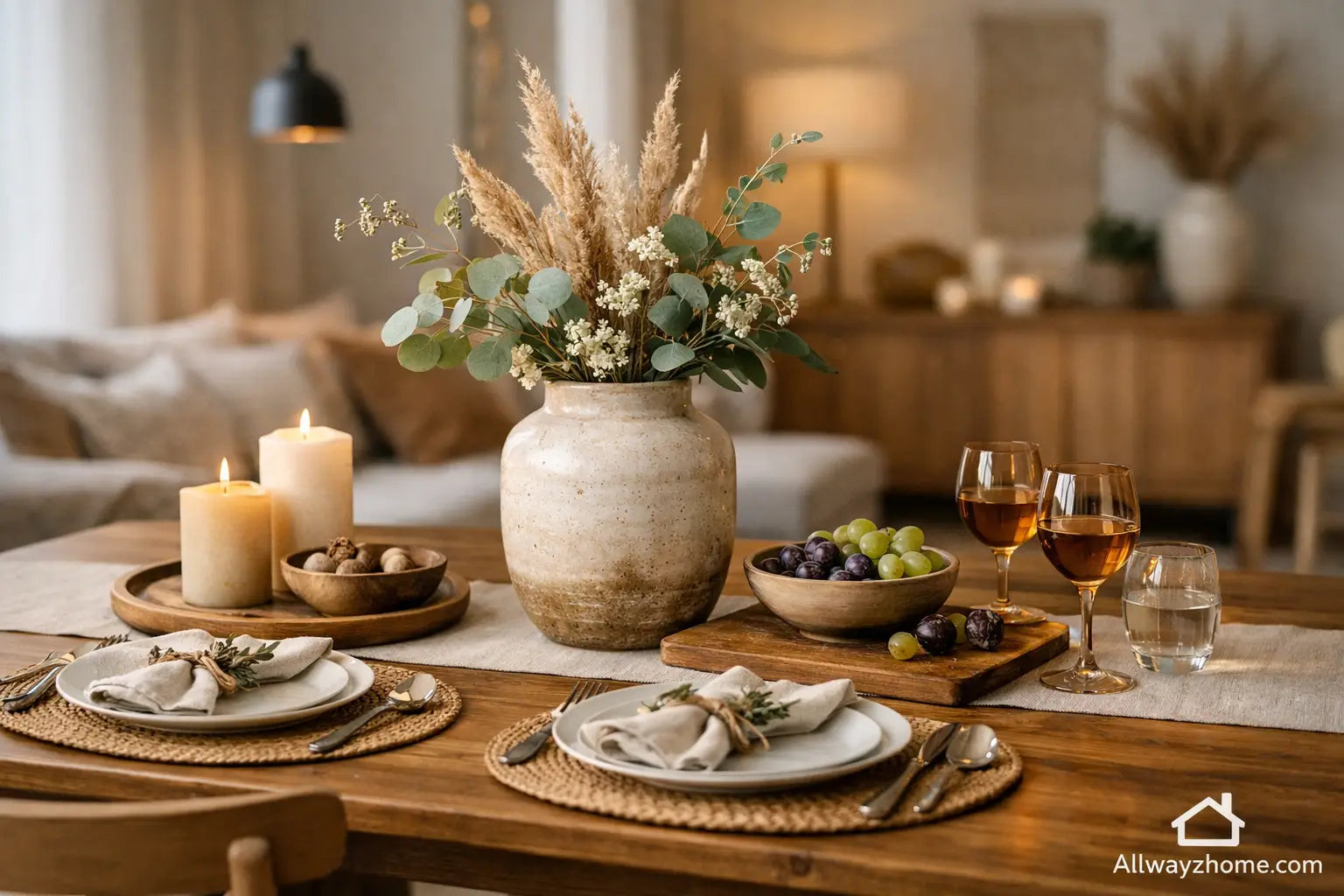
A dining table can look beautifully finished without being set for a formal dinner. In fact, the most inviting tables feel like a natural part of daily life: a place for slow breakfasts, handwritten notes, birthday cake, and the people who make a house feel like home. This guide to dining table styling will help you create a look that feels collected, personal, and easy to live with.
The goal is not to fill every inch of the surface. It is to choose a few thoughtful layers that bring warmth to the room while still leaving space for the life happening around the table. Whether you are refreshing your own dining area or preparing a meaningful housewarming gift, a well-styled table makes everyday moments feel more special.
Start With the Way You Use Your Table
Before choosing a centerpiece, consider what your dining table needs to do on an average week. A table used for family meals, homework, and weekend projects needs a flexible arrangement that can be moved in one simple motion. A formal dining room used mostly for entertaining can carry a more layered, decorative display.
This is where many styling ideas fall short. A beautiful arrangement that blocks conversation, crowds place settings, or needs to be dismantled every evening may not suit your home. The best styling works with your rhythm, not against it.
For an everyday table, keep the centerpiece low and contained. A tray, shallow bowl, or narrow runner creates a defined visual zone, so the table still feels purposeful when the rest of the surface is clear. For a round table, one central arrangement usually feels balanced. On a long rectangular table, try a gentle line of smaller objects rather than one oversized piece that dominates the room.
Build Your Dining Table Styling in Layers
A welcoming table has dimension. Rather than placing one decorative item in the center and calling it done, think in layers: a foundation, a focal point, and a few softer details. This approach creates a polished look without making the table feel overly formal.
Begin With a Textured Foundation
A table runner is one of the simplest ways to transform the mood of a dining space. Natural linen brings relaxed elegance, while a woven runner adds warmth and visual interest to wood, glass, or painted finishes. Choose a color that supports the rest of the room instead of competing with it. Soft neutrals, warm clay tones, muted green, and classic navy all have staying power.
If your table already has beautiful grain or a statement finish, you may prefer to skip the runner and use placemats instead. The trade-off is simple: a runner creates an intentional center line, while placemats make the table feel ready for a meal. Both can work, but using too many competing textiles at once can make a small dining room feel busy.
Add One Clear Focal Point
Your centerpiece does not need to be elaborate. A ceramic bowl filled with seasonal fruit, a sculptural vase with fresh stems, or a low planter with indoor greenery can set the tone immediately. Choose a vessel with enough presence to feel intentional, then keep what goes inside relatively simple.
Fresh flowers offer instant charm, but they require regular attention. If you prefer something lower maintenance, a leafy plant or high-quality dried stems can bring the same sense of softness. A planter with a personalized touch can also make the table feel distinctly yours, especially in a new home where every meaningful detail helps the space settle into place.
Scale matters more than cost. A tiny vase on a large table can look lost, while an arrangement that is too tall interrupts conversation and sightlines. Aim for a centerpiece low enough that guests can see one another comfortably, or choose a tall, narrow vessel that leaves the center view open.
Bring in Candlelight for Everyday Warmth
Candlelight makes even a casual Tuesday dinner feel considered. A pair of taper candles in simple holders adds height, while a low candle tray creates a cozier, more relaxed feeling. For the most natural result, vary the height slightly but keep the colors connected.
Fragrance deserves a little thought here. Lightly scented candles can create a welcoming atmosphere when the table is being enjoyed between meals. During dinner, however, strong scents can compete with food. Consider unscented tapers for entertaining and reserve your favorite home fragrance for the moments before guests arrive or after the plates are cleared.
Use Personal Details Without Overcrowding the Table
The most memorable homes are not styled like showrooms. They carry reminders of the people who live there, the places they have been, and the celebrations they have shared. Your dining table is a lovely place to introduce a personal detail, but restraint keeps it feeling elegant.
A monogrammed serving board leaned nearby on a sideboard, custom coasters placed within easy reach, or a bowl that holds a favorite collection can make the space feel meaningful. If you display a personalized family-name piece, give it room to be noticed rather than surrounding it with too many smaller accessories.
This principle is especially useful when choosing a gift for newlyweds or new homeowners. A personalized dining accent feels thoughtful because it has a purpose beyond decoration. It can become part of Sunday dinners, holiday gatherings, and the simple rituals that turn a new address into a familiar place.
Let the Season Shift the Mood
You do not need a completely new collection of décor for every season. Small changes are enough to keep your dining area feeling fresh. In spring, a clear vase with clipped branches or tulips adds life without much effort. Summer calls for citrus, woven textures, and lighter linens. In fall, bring in deeper colors, natural wood, and warm candlelight. Winter can feel festive with evergreen clippings, metallic details, or a simple bowl of ornaments.
The key is to update one or two elements while keeping your main foundation in place. For example, use the same neutral runner year-round, then swap the greenery, candle colors, or centerpiece contents. This keeps your decorating budget focused and creates a home that evolves naturally rather than feeling completely redesigned every few months.
For celebrations, let the table become a quiet part of the occasion. A birthday can call for cheerful candles and a small floral arrangement. A housewarming dinner may only need a warm runner, a grazing board, and a personalized finishing touch. The best event styling feels welcoming first and picture-perfect second.
Keep Everyday Function Within Reach
A styled table should not feel precious. It should invite people to sit down. Leave enough open space for a serving dish, coffee mugs, or a spontaneous game night. If you frequently eat at the table, choose materials that are easy to wipe down and arrangements that lift away as one piece.
Trays are particularly helpful because they gather a candle, small vase, and decorative object into one movable display. When dinner begins, the whole arrangement can move to a buffet, console, or kitchen counter in seconds. This is a practical choice for busy homes, smaller spaces, and anyone who wants an elevated look without extra fuss.
It also helps to edit regularly. If dust gathers around an object or you keep moving it out of the way, it may not belong on the table. A few well-loved pieces will always feel more serene than a surface crowded with décor.
A Simple Formula for a Table That Feels Finished
When you are unsure where to begin, choose a runner or placemats, add a centerpiece with natural texture, and finish with candlelight or one personal detail. That combination gives the eye something soft, something living, and something meaningful.
AllWayzHome believes the details around a table can do more than decorate a room. They can make a shared meal feel warmer, a milestone gift feel more personal, and an ordinary evening feel worth gathering for. Style your table with pieces you genuinely enjoy using, then let it become the welcoming backdrop for whatever your home holds next.