Cart
0
A planter can do more than hold a plant. It can soften a hard corner, add texture to a shelf, and make a room feel more lived in within minutes. If you've been wondering how to style indoor planters in a way that feels polished instead of random, the secret is to treat them like part of your décor story, not an afterthought.
The good news is that you do not need a designer's eye or a full room makeover to get it right. A few thoughtful choices around scale, color, placement, and pairing can make even a simple planter feel intentional. Whether you're refreshing your own home or choosing a gift that helps someone settle into a new space, indoor planters offer that rare mix of beauty and everyday ease.
How to style indoor planters with intention
The most common styling mistake is choosing the plant first and the placement second. It usually works better the other way around. Start by looking at the room and asking what it needs. Does a blank console need height? Does an open shelf need something organic to break up books and frames? Does a bedroom corner feel cold or unfinished?
When you style with the room in mind, the planter becomes part of the atmosphere. A tall planter can bring balance beside a chair or cabinet. A low, rounded planter can make a coffee table feel relaxed and welcoming. Smaller planters can fill those quiet in-between spaces that often make a room feel incomplete.
This is also where personal style matters. If your home leans clean and modern, choose planters with simple silhouettes and restrained color. If your space feels warmer and layered, textured finishes, woven materials, ceramic glazes, and earthy tones tend to look more natural. There is no single correct look, but there should be a clear sense that the planter belongs in the room.
Match the planter to the room, not just the plant
One of the easiest ways to elevate indoor greenery is to stop thinking of planters as purely functional. Shape and finish make a real difference. A glossy white planter feels crisp and tailored. A matte sand or stone finish feels softer and more grounded. Ribbed ceramic adds detail without needing extra accessories.
Living rooms usually benefit from planters that feel substantial enough to hold their own beside larger furniture. In kitchens, smaller planters often work better because they tuck neatly onto windowsills, counters, or open shelving. Bedrooms tend to look best with planters that support a calm mood, so softer colors and rounded forms usually feel more restful than anything overly bold.
If you're styling for a gift, think about the recipient's home in the same way. A personalized planter can feel especially thoughtful for a housewarming or wedding because it adds both function and sentiment. It becomes part décor piece, part memory marker, which is often what makes a home gift feel lasting rather than temporary.
Scale is what makes a setup look finished
Even beautiful planters can look awkward if the proportions are off. A tiny planter on a large dining table often feels lost, while an oversized floor planter in a tight hallway can make the area feel crowded. Good styling usually comes down to visual balance.
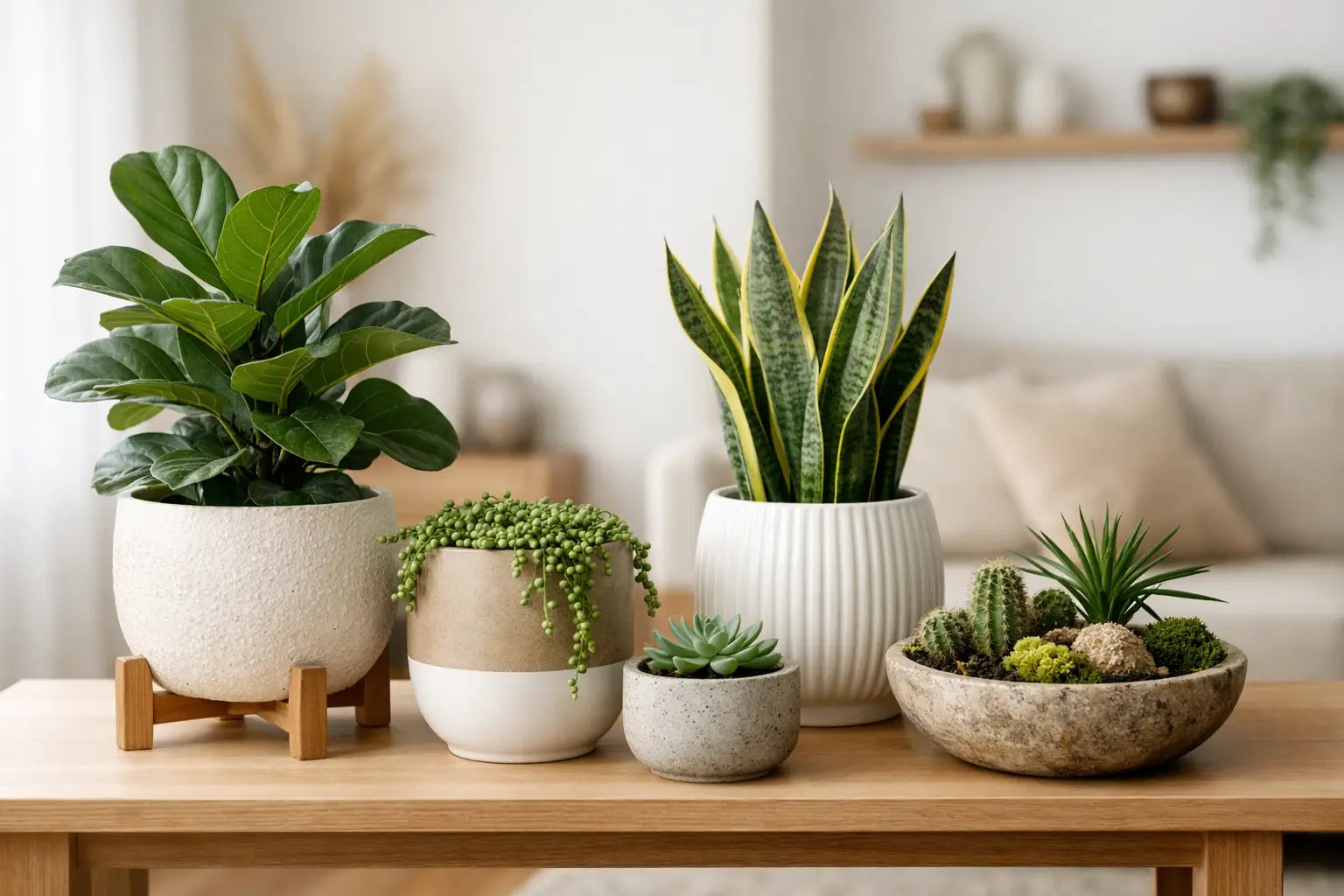
If a planter is going on the floor, it should have enough presence to be seen from across the room. If it is going on a shelf, it should complement nearby objects instead of overwhelming them. Groupings also matter. Three planters in slightly varied heights often look more intentional than three that are all the same size.
A useful rule is to vary one element while keeping the others connected. You might mix heights while repeating the same color family, or choose different textures in similar shapes. That gives the arrangement movement without making it feel messy.
Use indoor planters to create layers
The rooms that feel warmest are usually the ones with a little dimension. Indoor planters are excellent for this because they bring in living shape and softness where furniture alone can feel flat.
On shelves, a planter can sit beside stacked books, a candle, or a framed photo to create contrast. The leaves add lift, while the planter anchors the arrangement. On console tables, try placing a planter near one end and balancing it with a tray or decorative object on the other. This kind of asymmetry tends to feel relaxed and styled at the same time.
Coffee tables and dining tables need a slightly lighter touch. You want the planter to add beauty without interrupting the function of the surface. A low planter with a compact plant works well because it keeps sightlines open and leaves room for everyday use. Entryways are another strong spot. A small planter near a catchall tray or candle can make the whole area feel more welcoming the moment you walk in.
Style by height, texture, and breathing room
When people ask how to style indoor planters so they look elevated, the answer is often less about adding more and more about editing better. Every arrangement needs some breathing room. If the area already has a lot of décor, choose a planter that is simple and quiet. If the space is bare, the planter can carry more visual weight.
Texture is especially useful when a room feels flat. If your furniture is mostly smooth wood, glass, or metal, a planter with a handmade or matte finish can warm things up immediately. If the room already has plenty of texture through rugs, baskets, and throws, a cleaner planter may create better balance.
Height helps move the eye around a room. Tall leaves draw attention upward and can make a space feel larger. Trailing plants soften edges and are perfect for shelves or bookcases. Rounded plants tend to make arrangements feel fuller and more settled. It depends on what the room is missing.
Choosing the right placement for each room
Different rooms ask for different styling choices. In a living room, floor planters can frame a sofa, fireplace, or media console beautifully. They help large furniture feel less heavy and make the room feel complete. In smaller living rooms, one medium planter often works better than several little ones scattered around.
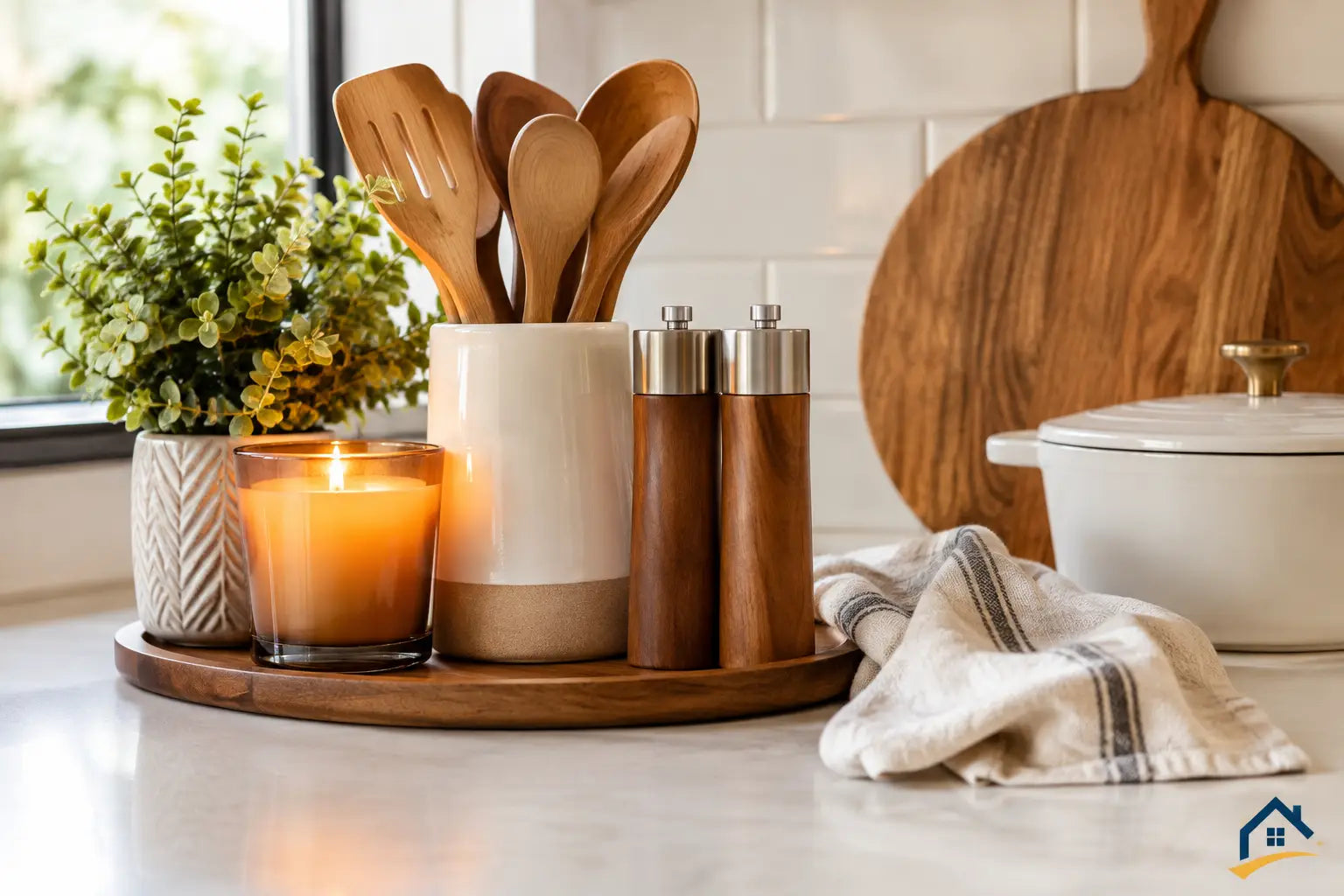
In the kitchen, indoor planters look best when they feel fresh and unfussy. Think windowsills, breakfast nooks, and corners of open shelving. A planter near a fruit bowl, cutting board, or candle can make the kitchen feel styled without looking formal.
Bedrooms benefit from restraint. One or two planters are usually enough, especially on a dresser, nightstand, or bench. The goal is to create calm, not clutter. For bathrooms, choose planters that can handle moisture and keep the styling simple. A compact planter near the sink or tub often adds just enough softness.
Home offices are an underrated place for planters. Even one thoughtfully placed piece can make a workspace feel more personal and less purely functional. If the desk is already busy, place a planter on a nearby shelf or cabinet instead.
Color stories make everything feel connected
A room feels styled when its pieces seem to speak the same language. Planters can help tie that language together. If your room features warm neutrals, look for cream, beige, terracotta, or soft brown tones. If the space leans cooler, white, charcoal, gray, or muted green can feel cleaner and more cohesive.
That does not mean everything has to match exactly. In fact, perfect matching can make a room feel flat. What usually works better is staying within a mood. You might mix ivory ceramic with natural wood and soft greenery for a serene look, or pair black planters with brass accents for something more modern and defined.
This is especially helpful when styling multiple planters in one open-concept area. Repeating a color family or material helps separate pieces feel connected, even if they are in different parts of the room.
Make it feel personal, not staged
The most memorable homes do not look copied from a showroom. They feel layered with meaning. That is why indoor planters work so well when paired with personal touches like framed family photos, meaningful books, keepsakes from travels, or customized décor.
A planter next to a candle and a photo on a console tells a different story than a planter standing alone. It feels lived in. It feels chosen. If you're styling a giftable moment, this matters even more. A personalized planter or a planter paired with another home accent can turn a simple object into something that feels heartfelt and ready to be enjoyed right away.
If you shop with a lifestyle approach, as AllWayzHome encourages, the planter becomes more than an accessory. It becomes part of how a room welcomes people in and reflects the life happening there.
When less is better
Not every room needs a planter in every corner. Sometimes one beautiful piece does more than five smaller ones. If your space already has patterned textiles, statement lighting, or bold wall art, a quiet planter can be the better choice. If the room feels minimal, a larger or more sculptural planter may provide exactly the right amount of interest.
That trade-off matters. Styling is not only about what you add. It is also about what you allow to stand out. Let the room tell you when it needs softness, height, texture, or restraint.
A well-placed planter has a way of changing the mood of a space without asking for much. Start small, trust what feels inviting, and let each choice make your home feel a little more like you.