Cart
0
How to Mix Textures Like a Designer (Without Making Your Room Look Busy)
Creating a beautifully styled space isn’t just about color—it’s about texture. Professional designers use texture to add warmth, depth, and visual interest to a room. The right combination of materials can make a space feel layered and luxurious, while too many competing elements can make a room feel cluttered or chaotic.
The good news? Mixing textures doesn’t have to be complicated. With a few simple strategies, you can create a designer-inspired look that feels balanced, inviting, and intentional.
Start with a Neutral Foundation


4
One of the easiest ways to mix textures successfully is by starting with a neutral base. Neutral colors allow different materials and surfaces to stand out without competing with each other.
Think about building your room around calming tones such as:
-
Soft whites
-
Warm beige
-
Light gray
-
Earthy browns
-
Muted greens
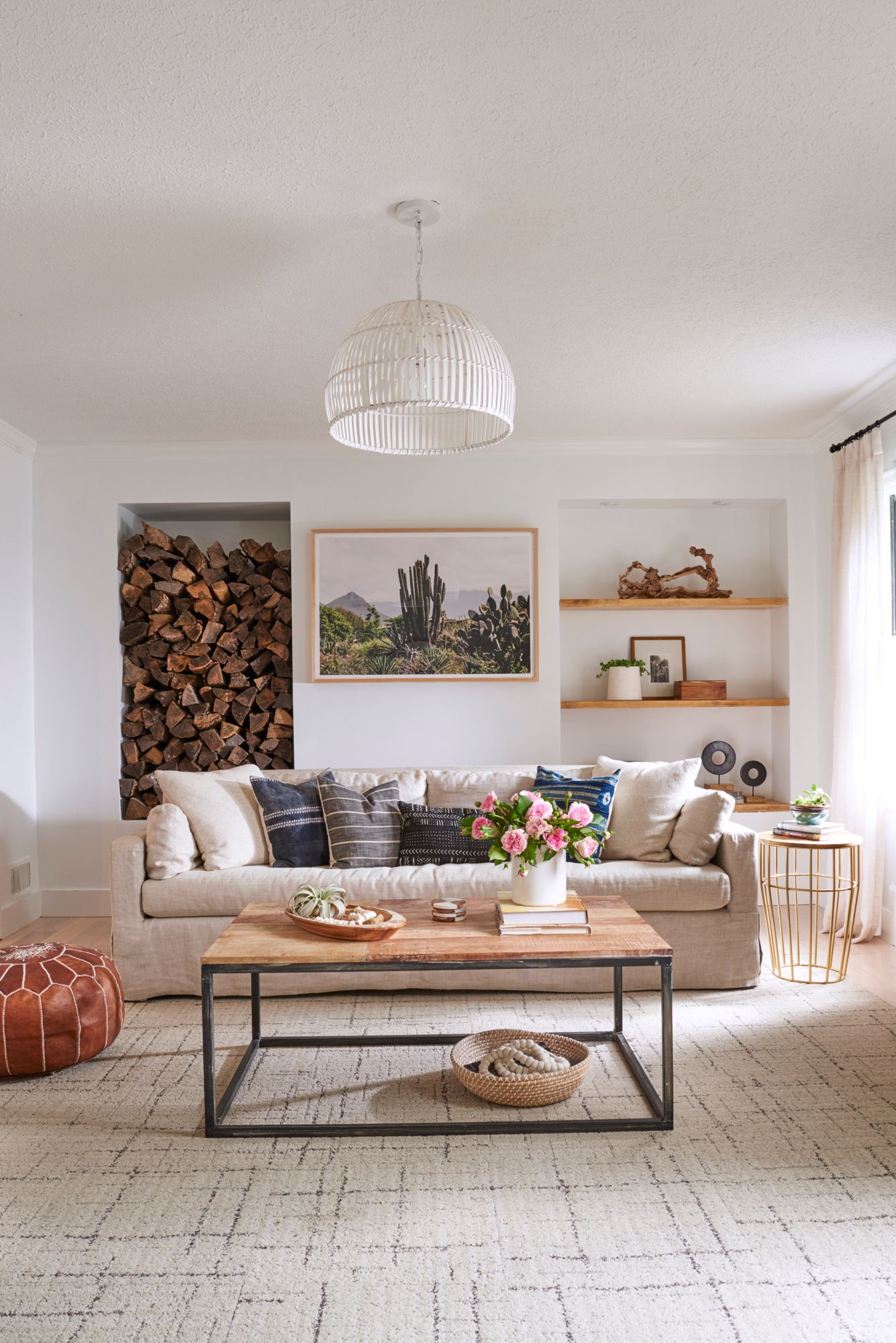
Once you have a neutral palette, you can introduce multiple textures—such as wood, woven fibers, velvet, and metal—without the room feeling visually busy.
Neutral spaces also create a calm, relaxing atmosphere while allowing décor elements to become the focal point.
Follow the “Rule of Three” for Textures
Designers often follow the Rule of Three, which means combining three primary textures within a space. This keeps a room interesting while maintaining balance.
For example:
-
Soft texture: Throw pillows or blankets
-
Natural texture: Woven baskets or wall décor
-
Solid texture: Wood furniture or decorative trays
When these elements are combined thoughtfully, the room feels layered rather than cluttered. Limiting your primary textures helps maintain visual harmony.
Combine Soft and Structured Materials


4
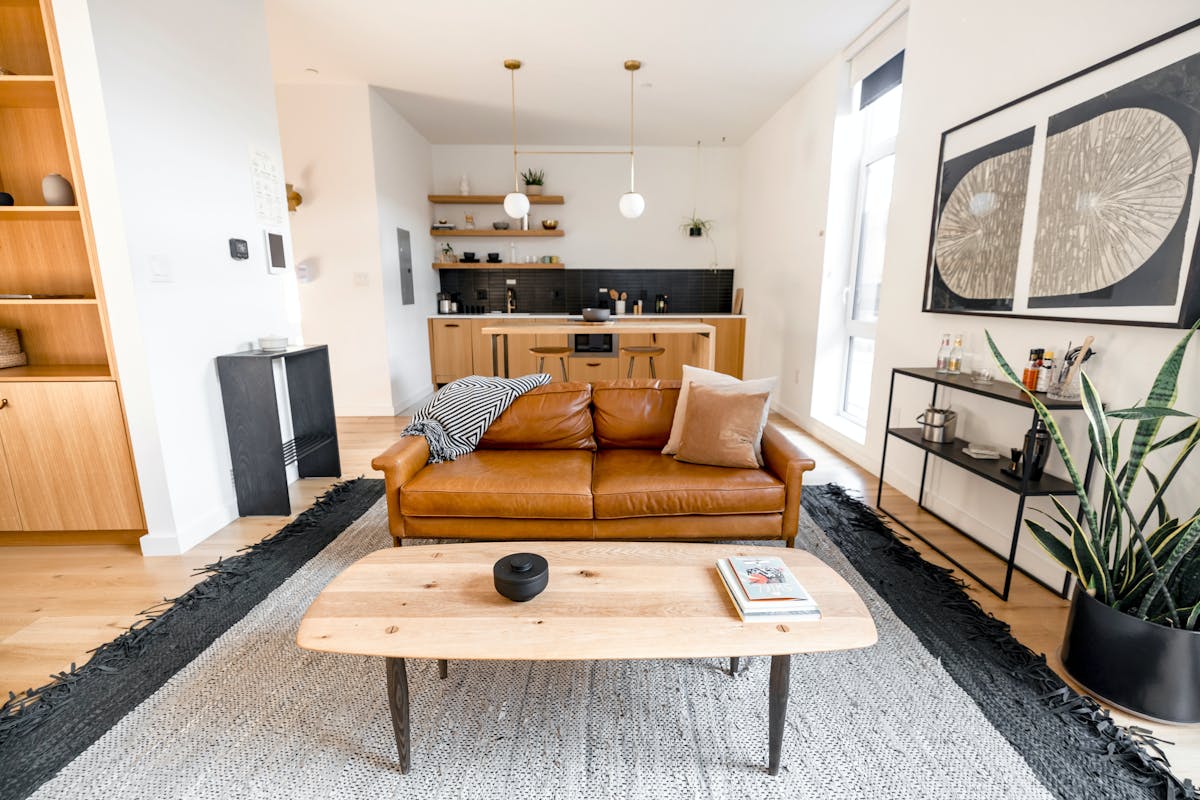
A well-designed space often includes a mix of soft and structured textures. Soft materials create comfort, while structured materials provide contrast and balance.
Some beautiful combinations include:
-
Velvet pillows paired with wooden trays
-
Woven baskets next to smooth furniture surfaces
-
Linen throws layered over leather or wood seating
This contrast helps keep a room visually dynamic while still feeling cohesive.
Add Natural Elements
Natural materials instantly make a room feel warmer and more inviting. Designers frequently incorporate organic textures to soften modern or minimal spaces.
Popular natural textures include:
-
Woven baskets
-
Rattan or banana bark décor
-
Wood accents
-
Cotton and linen fabrics
These elements introduce an earthy quality that makes a home feel welcoming and relaxed.
Use Wall Décor to Introduce Texture

4
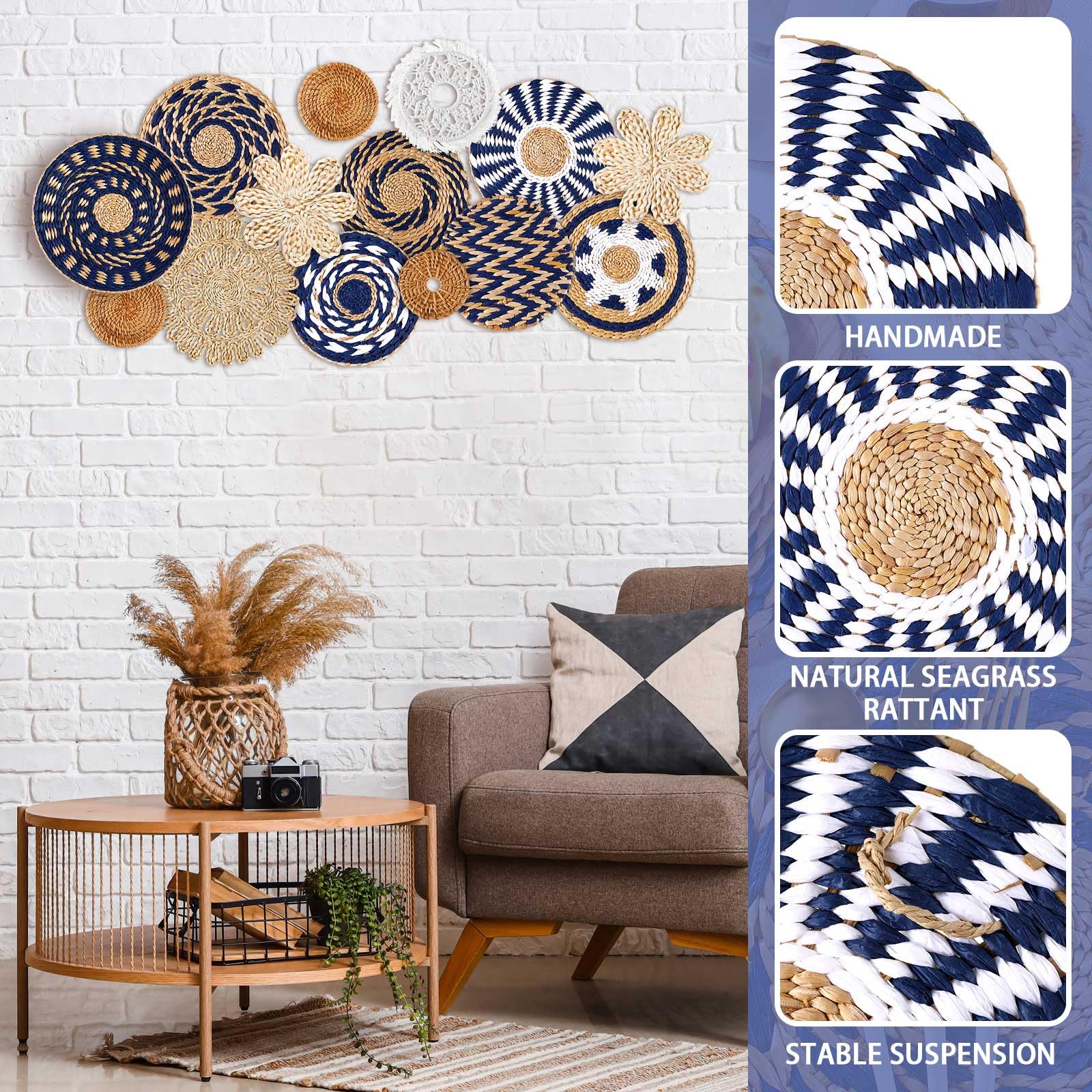
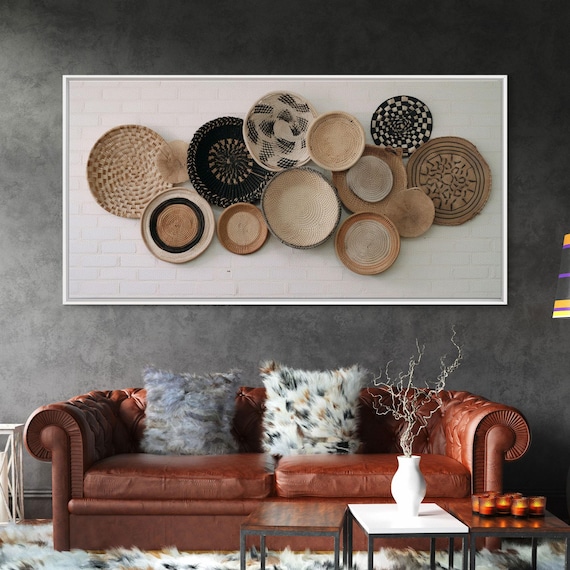
Walls are one of the most overlooked opportunities to add texture to a room. Instead of relying on flat surfaces alone, consider layering different wall elements.
Some great options include:
-
Framed canvas wall art
-
Decorative woven wall baskets
-
Wooden wall accents
Mixing these textures creates a gallery-style focal point that adds personality and visual interest to your space.
Balance Large and Small Textures
Another trick designers use is balancing large statement textures with smaller accents.
Examples include:
-
A large woven wall piece paired with subtle throw pillows
-
A decorative tray styled with small textured accessories
-
A bold wall art piece balanced with simple furniture
This balance keeps the eye moving throughout the room while maintaining a sense of order.
Leave Space for the Room to Breathe
One of the biggest mistakes people make when decorating is adding too many textures at once. Even the most beautiful décor needs space to shine.
To avoid clutter:
-
Choose a few standout pieces
-
Keep surrounding décor simple
-
Leave negative space between items
This approach makes each texture feel intentional rather than overwhelming.
Create a Cohesive Look
While mixing textures adds interest, the overall space should still feel cohesive. You can accomplish this by repeating similar tones or materials throughout the room.
For example:
-
A woven basket paired with a woven wall accent
-
Wooden trays that match furniture finishes
-
Neutral pillows paired with neutral wall art
Repeating textures in subtle ways ties the entire room together beautifully.
Final Thoughts
Mixing textures is one of the easiest ways to elevate your home décor. By combining soft fabrics, natural materials, and structured elements, you can create a space that feels both stylish and comfortable.
Remember to keep your palette simple, layer textures thoughtfully, and allow each piece to stand out. When done correctly, texture adds depth and personality while keeping your home calm, balanced, and beautifully designed.
If you’re looking for décor pieces that make layering textures easy, explore the curated home collection at All Wayz Home where you’ll find stylish wall art, woven baskets, decorative trays, and cozy accents designed to help you create a home you love.
Visit https://allwayzhome.com to discover pieces that bring warmth, texture, and personality into every room.