Cart
0
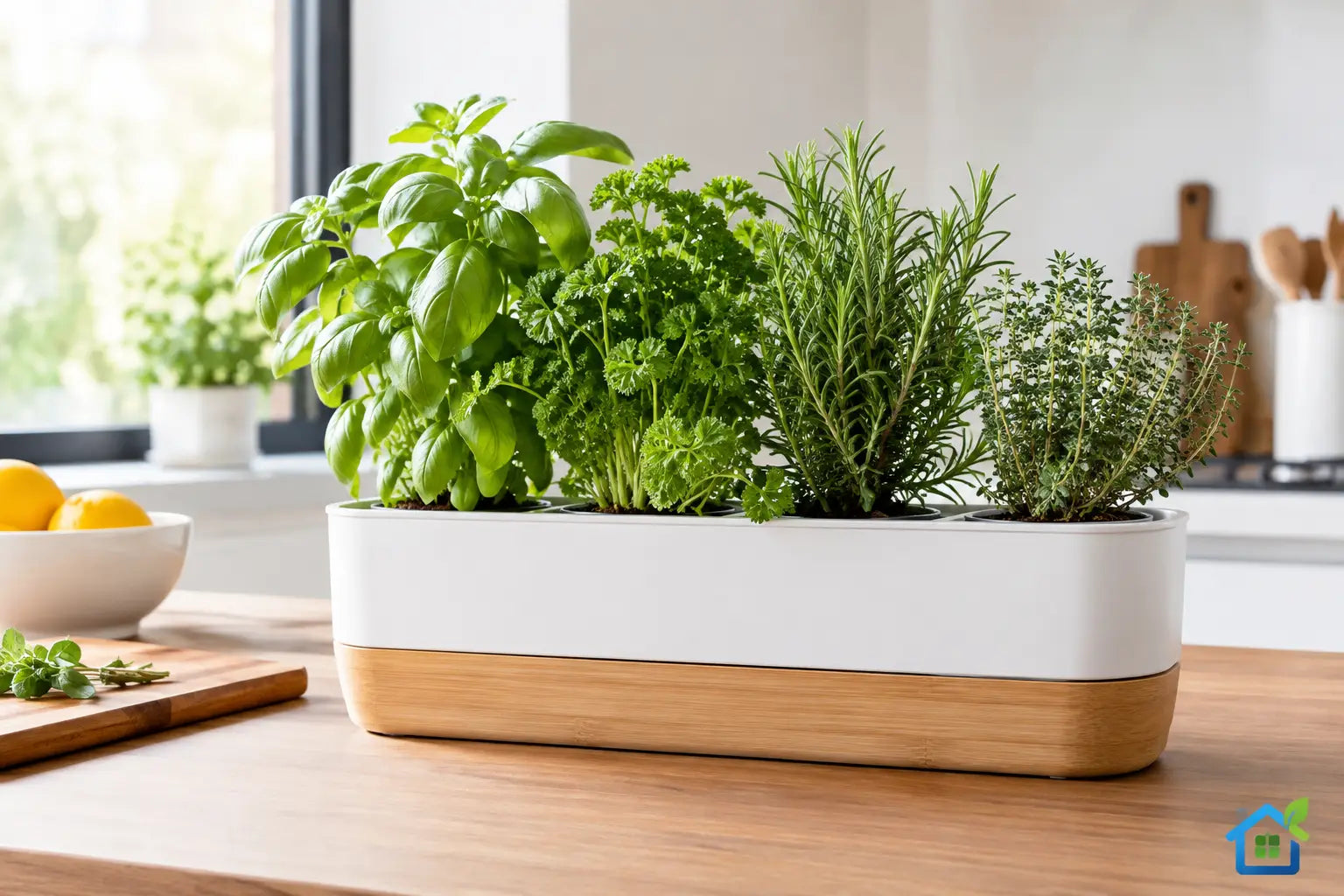
A windowsill lined with fresh basil, mint, and rosemary does more than make dinner easier. It gives the kitchen a lived-in warmth - the kind that makes an ordinary morning feel a little more considered. This guide to indoor herb planters will help you create a small garden that looks beautiful in your home and gives you herbs you will actually want to use.
Indoor herbs are wonderfully practical, but they are not all equally forgiving. The prettiest planter will not solve a dim corner or soggy roots. A successful setup begins by matching the planter, placement, and plants to the way your home really gets used.
Start Your Guide to Indoor Herb Planters With Light
Light is the first decision, not the finishing touch. Most culinary herbs need at least six hours of bright light each day to stay compact, fragrant, and productive. A sunny south- or west-facing window is often the easiest place to begin. If your kitchen does not have that kind of natural light, a small grow light can make the difference between herbs that merely survive and herbs that flourish.
Observe your space for a few days before choosing plants. Morning sun tends to be gentler, while strong afternoon sun can dry small pots quickly, especially in summer. A bright counter across the room from a window may look sunny but still be too dim for basil or rosemary. Place sun-loving herbs close to the glass, turning the pots every week so growth stays even.
If your home has softer light, choose herbs that tolerate it more gracefully. Mint, parsley, cilantro, and chives are often more adaptable than basil, thyme, or rosemary. They will still appreciate bright conditions, but they are less likely to become woody or sparse when the light is imperfect.
Choose Planters That Feel Beautiful and Work Hard
An indoor herb planter should complement your kitchen or dining space, but function matters just as much as finish. Herbs need drainage. Without it, water pools around the roots and invites rot, yellowing leaves, and a disappointing end to an otherwise lovely display.
Look for pots with drainage holes and a saucer, or use a nursery pot tucked inside a decorative cachepot. This approach lets you enjoy ceramic, woven, or personalized planters without leaving roots sitting in excess water. It also makes it easier to carry a plant to the sink for watering and let it drain fully before returning it to its place.
Size matters, too. Tiny pots can be charming for a gift basket or a short-term centerpiece, but fast-growing herbs soon become thirsty and root-bound in them. A planter around six to eight inches wide suits a single basil, parsley, or mint plant. Thyme, oregano, and chives can share a longer trough planter if each plant has room to spread.
Avoid putting every herb into one crowded container simply because the arrangement looks full on day one. Basil likes consistent moisture, while rosemary and thyme prefer to dry more thoroughly between waterings. Grouping herbs with similar preferences will make care far simpler and protect your investment.
For a polished look, repeat one planter color across the kitchen or choose tones that echo your dinnerware, backsplash, or favorite serving pieces. Warm white ceramic, muted green, soft terracotta, and natural textures make fresh greenery feel at home without competing with the rest of the room. A planter personalized with a family name, meaningful date, or coordinates can turn a practical kitchen accent into a thoughtful housewarming or wedding gift.
The Best Soil for Potted Herbs
Garden soil is too dense for indoor containers. Use a quality potting mix formulated for containers, ideally one that feels light and drains easily. A mix with perlite or similar aerating material helps roots breathe and prevents the soil from staying wet for too long.
When planting, keep the herb at the same depth it was growing in its nursery pot. Press the soil gently around the root ball rather than packing it down hard. Water thoroughly after planting, then empty the saucer after about 15 minutes if any water remains.
Pick Herbs You Will Use and Enjoy Seeing
A kitchen garden should reflect the meals and rituals you already love. There is no need to grow cilantro if you never reach for it, no matter how pretty it looks in a planter. Start with two or three favorites, then add more once you understand the light and watering rhythm in your home.
Basil is a natural choice for pasta nights, caprese salads, and summer-inspired cooking. It loves warmth and bright sun, and regular harvesting encourages a bushier plant. Pinch stems just above a set of leaves instead of taking single leaves from the bottom.
Parsley brings a fresh, classic look to indoor planters and works beautifully in everyday cooking. Flat-leaf parsley is easy to chop, while curly parsley adds texture to a display. Keep its soil lightly moist rather than letting it become completely dry.
Mint is generous, aromatic, and ideal for tea, cocktails, fruit, and simple table arrangements. It grows enthusiastically, so give it its own pot. Mint can overtake neighboring herbs if planted together, and its roots prefer a little more moisture than Mediterranean herbs.
Rosemary adds height and a lovely, woodsy fragrance, making it especially appealing in a home that leans toward warm, layered decor. It needs the brightest location you can offer and dislikes wet roots. If rosemary repeatedly struggles indoors, it is usually a light issue rather than a lack of care.
Thyme, oregano, and chives are compact choices for a sunny sill. Thyme and oregano enjoy drying out slightly between waterings, while chives prefer more consistent moisture. Their different needs are small but meaningful, which is why separate pots often look as intentional as they are practical.
Water With Attention, Not a Schedule
The most common indoor herb problem is overwatering. A weekly reminder can be useful, but it should prompt you to check the soil rather than automatically add water. Push a finger about an inch into the potting mix. If it feels dry, water slowly until a little drains through the bottom. If it still feels damp, give it another day or two.
Your home’s temperature, sunlight, pot material, and season all affect how quickly a planter dries. Terracotta pulls moisture from soil more quickly than glazed ceramic, while herbs near a heater may need more frequent checks in winter. In a humid kitchen, the same plant may need less water than it would in a sunny, dry room.
Use room-temperature water when possible and water the soil rather than soaking the leaves. Consistently wet foliage can encourage mildew, particularly when air circulation is limited. If leaves begin to yellow, inspect the soil before adding more water. Yellowing is often a sign of roots staying too wet, not too dry.
Keep Herbs Full, Fresh, and Ready to Harvest
Harvesting is part of herb care, not a reward you save for a special meal. Regular, gentle trimming keeps many herbs fuller and prevents basil from flowering too soon. Take no more than about one-third of the plant at a time, especially when it is young or adjusting to a new home.
Remove yellow leaves and snip off flower buds on basil, mint, and parsley if your goal is flavorful foliage. Once basil flowers, its leaf production can slow. Rosemary and thyme grow more slowly, so harvest modestly and avoid cutting into bare, woody stems.
A light feeding during the growing season can help, but more fertilizer is not always better. Indoor herbs generally need less than outdoor plants. If you use a liquid houseplant fertilizer, dilute it and apply it occasionally according to the product directions. Too much fertilizer can create lush growth with less flavor.
Make Your Herb Planters Part of the Room
The joy of indoor herbs is that they belong in the daily rhythm of the home. Place a trio of planters beside a cutting board, near the coffee station, or on an open shelf where greenery softens hard kitchen surfaces. In a dining area, a small herb planter can take the place of a traditional centerpiece and offer a fresh scent without overwhelming the table.
For gifting, pair an herb planter with a linen kitchen towel, a handwritten recipe card, or a set of serving essentials. It feels personal without being overly formal, and it gives the recipient something living to enjoy after the celebration. A thoughtfully chosen planter from AllWayzHome can make that everyday ritual feel even more special.
Begin with the window you have, the herbs you cook with, and a planter that makes you smile when you walk into the room. With a little attention, those small green leaves can become one of the most inviting details in your home.