Cart
0
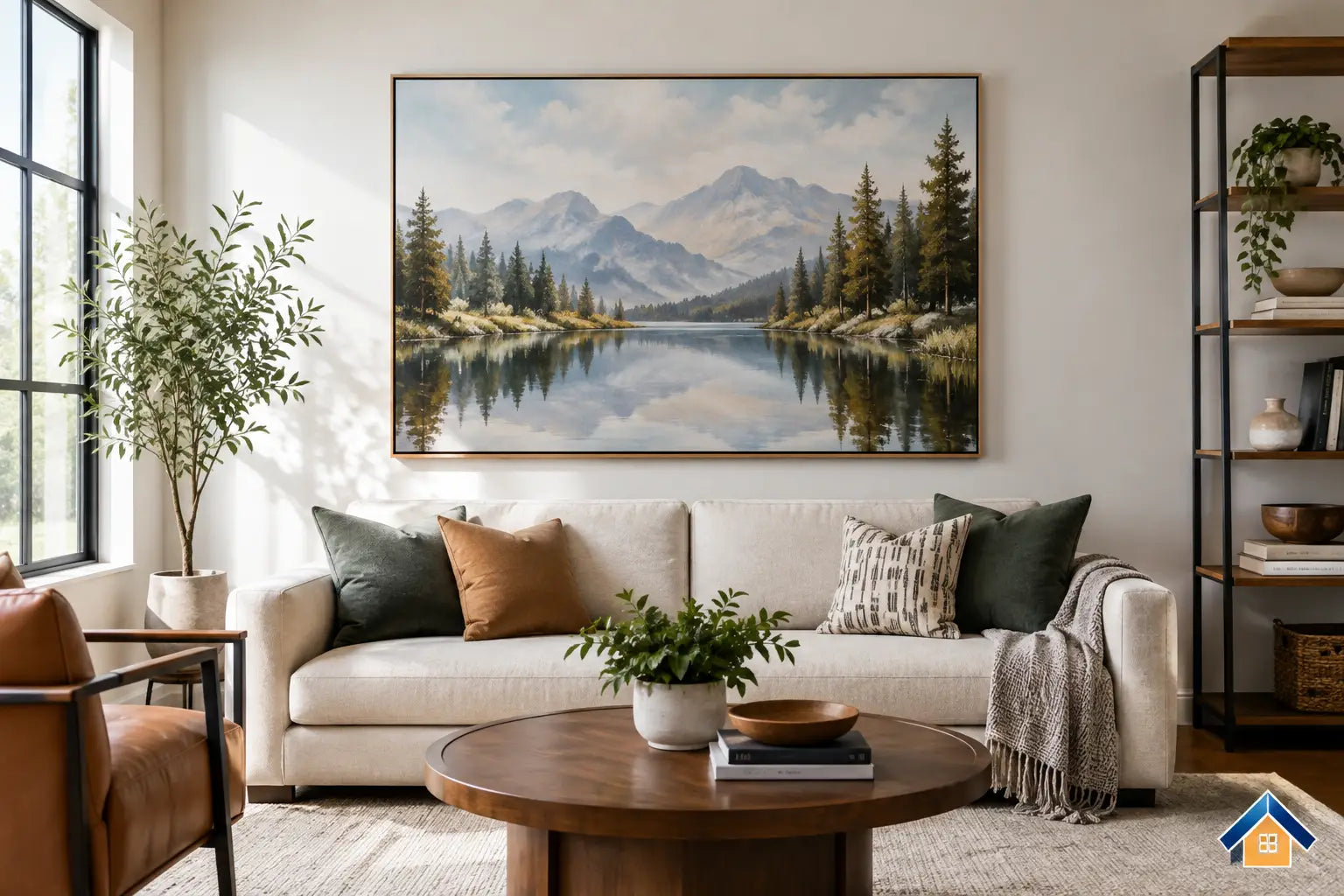
A beautiful piece of art can make a room feel finished in minutes, but choosing the wrong scale can leave even your favorite print feeling a little lost. If you have ever wondered what size wall art will make your space feel warm, intentional, and balanced, the answer is less about a single standard measurement and more about the furniture, wall space, and mood you want to create.
The good news is that you do not need an interior design degree to get it right. A few simple proportions can help you choose art that feels at home above a sofa, beside a bed, in an entryway, or on that blank wall that has been waiting for a little personality.
What Size Wall Art Should You Choose?
The most reliable rule is to choose artwork that fills roughly 60% to 75% of the available wall space or the width of the furniture beneath it. This creates a pleasing visual connection without making the room feel crowded.
For example, if your sofa is 84 inches wide, aim for wall art or a gallery arrangement that spans about 50 to 63 inches across. A single oversized canvas can do the job beautifully, or you can create the same effect with two or three coordinated pieces.
This guideline is a starting point, not a strict command. A dramatic living room with high ceilings may call for something larger. A cozy reading nook may look lovelier with a smaller, more intimate print. The goal is to make your art look chosen for the room, rather than simply placed on an empty surface.
Start With the Wall, Not Just the Artwork
It is easy to fall in love with a print and try to find a place for it later. But when you are selecting wall art for a room refresh, begin by measuring the area where it will hang. Measure the wall width and height, then consider nearby furniture, windows, lamps, and architectural details.
A large blank wall can handle a statement piece, especially when the room has simple furnishings or a calm color palette. Smaller pieces on a large wall often look disconnected unless they are grouped together in a deliberate gallery layout.
On the other hand, a narrow wall does not need an oversized canvas squeezed into every inch. Vertical art can add height and elegance without overwhelming the space. Think of art as part of the room's visual rhythm. It should give the eye somewhere lovely to rest while still leaving breathing room around it.
Leave room around the edges
Art rarely needs to stretch from corner to corner. Leaving open space around a piece makes it feel more polished and helps the wall avoid a cluttered look. On a large wall, this might mean centering one substantial piece. In a smaller area, it could mean choosing a print with a generous mat and frame, which gives even modest-sized art a more elevated presence.
Wall Art Sizes for Above a Sofa
The wall above a sofa is one of the most popular places to display art, and it is also where scale matters most. Artwork that is too narrow can make a substantial sofa look heavier and wider than it is. Art that is too large can compete with the seating area instead of complementing it.
For a standard sofa, choose a single piece that is about two-thirds the sofa's width. A 72-inch sofa, for instance, pairs well with art around 48 inches wide. If you prefer a set of two prints, together they should reach that same approximate width, including the space between frames.
Hang the bottom edge about 6 to 10 inches above the back of the sofa. This creates a connected, layered look. If the artwork hangs much higher, it can appear to float separately from the furniture below.
A wide horizontal print creates an easy, relaxed feeling in a living room. For a more collected look, try a gallery wall with family photos, meaningful quotes, travel memories, or personalized pieces that reflect the people who gather there. The best living room art does more than fill space. It quietly tells the story of your home.
Choosing Art Above a Bed
Above the bed, art should feel serene rather than busy. Aim for a piece or arrangement that is 50% to 70% of the bed's width. For a queen bed, artwork between 30 and 48 inches wide is often a lovely fit. A king bed can carry a larger canvas, a pair of wide framed prints, or a balanced grouping of three pieces.
Keep the bottom of the frame about 6 to 8 inches above the headboard. If your bed does not have a headboard, place the art lower than you might expect, while still leaving enough room that it does not feel crowded by pillows.
Personalized wall art works especially well in bedrooms because it brings meaning into a space meant for rest. A family name, special date, meaningful location, or gentle botanical design can turn a bedroom wall into a reminder of the life you are building together.
The Right Size for Dining Rooms and Entryways
Dining room art has a chance to set the mood for shared meals, celebrations, and slow weekend mornings. Above a buffet, sideboard, or console, follow the same 60% to 75% rule. The art should be noticeably narrower than the furniture below, not exactly the same width.
A dining room can often handle bolder scale than you might use elsewhere. Large art creates a focal point and makes the space feel more complete, particularly if the walls are open and the furniture is streamlined. Choose colors that echo your table linens, glassware, or surrounding accents for a welcoming, pulled-together look.
In an entryway, size depends on what greets you at the door. Above a slim console table, a medium-to-large vertical print can add height. On a small wall beside the door, a thoughtfully framed piece around 16 by 20 inches may be all you need. The entry does not have to be grand to feel memorable. A personalized design or meaningful image can make every arrival feel a little more like home.
How High Should Wall Art Hang?
For art hanging on an open wall, place the center of the piece about 57 to 60 inches from the floor. This is close to average eye level and works well in most homes.
That rule changes when art is hanging above furniture. In those cases, the relationship between the furniture and artwork matters more than the center measurement. Keep the art visually connected to the sofa, bed, console, or mantel by leaving a modest gap between them.
If your household is especially tall, your ceilings are unusually high, or your room has a very formal feel, you may adjust slightly. Still, the common mistake is hanging art too high. Lower placement nearly always makes a room feel cozier and more intentional.
When a Gallery Wall Is the Better Choice
A gallery wall is ideal when one large piece feels too formal, when you want to showcase personal memories, or when you are working with a broad wall and several smaller favorites. The secret is to treat the entire grouping as one piece of art.
Before making holes in the wall, arrange the frames on the floor. Measure the total outside dimensions of the grouping, then make sure that overall shape fits the wall as though it were one large frame. Keep spacing consistent, usually 2 to 3 inches between pieces, for a clean and considered finish.
For a calmer look, use matching frames and a limited color palette. For a more collected, lived-in feel, mix frame finishes while repeating one or two elements, such as black accents, warm wood tones, or soft neutral artwork. Family photos, botanical prints, initials, and housewarming keepsakes can sit together beautifully when there is a clear thread tying them together.
Do Not Forget Frame Size and Visual Weight
The dimensions listed on a print often refer only to the image itself. Once you add a mat and frame, the finished piece can look much larger. This is useful when you love a smaller print but need it to hold its own on a wider wall.
Visual weight matters too. A dark, high-contrast image feels stronger than a pale watercolor of the same size. Thick black frames, richly colored art, and textured canvases can command attention without being physically huge. Light, airy artwork may need more scale or a grouped arrangement to make the same impact.
When choosing pieces for a home refresh or a thoughtful housewarming gift, imagine the finished view from across the room. The right art should feel like it belongs there before anyone stops to measure it.
Make the Wall Feel Like Yours
There is no need to chase perfect measurements at the expense of personality. A favorite small piece from a wedding, a customized family sign, or a meaningful photo can deserve a place even if it breaks the usual rules. Give it presence with a larger frame, pair it with complementary art, or let it shine in a smaller moment such as a hallway, bedside wall, or cozy corner.
At AllWayzHome, we believe the most inviting spaces are built from details that feel personal, not prescribed. Choose art with the proportions to support your room, then choose the message, colors, and memories that make you happy to see it every day. The wall will feel less like empty space and more like part of your story.