Cart
0

A beautiful room can look finished and still feel slightly anonymous. Often, the missing detail is not another pillow or piece of wall art. It is a scent that welcomes you at the door, softens the evening, or makes a freshly made bed feel even more restorative. Scent layering for home is the art of using complementary fragrances in different forms and rooms so your space feels intentional, warm, and unmistakably yours.
The goal is not to make every corner smell stronger. It is to create a gentle progression: a fresh first impression in the entryway, a comforting note where people gather, and a calmer fragrance in spaces designed for rest. Done well, scent becomes part of the memory of home - especially when guests arrive for dinner, a weekend stay, or a milestone celebration.
Start With the Mood You Want to Create
Before choosing candles, diffusers, or room sprays, decide how you want your home to feel. A scent collection works best when it follows one emotional direction rather than introducing a completely different fragrance family in every room.
For a bright, easygoing home, begin with notes like citrus, linen, mint, soft florals, or green tea. They feel clean without becoming overly sharp. For a cozier, more collected atmosphere, look to vanilla, sandalwood, amber, cashmere, cedar, or a light touch of spice. If your style leans natural and serene, eucalyptus, lavender, bergamot, sage, and subtle woods create a polished retreat-like feeling.
You do not have to use one exact fragrance throughout the house. In fact, that can feel flat. Think of your chosen scent family as a color palette. Your rooms can carry different notes, but they should look good together. A citrus-and-cedar entryway can flow naturally into a sandalwood living room, while a lavender-and-linen bedroom keeps the overall mood calm.
Scent Layering for Home Starts at the Door
The entryway sets expectations before anyone notices the furniture. Because it is usually a smaller, transitional space, choose something light, clean, and easy to enjoy. A reed diffuser is especially useful here because it offers a consistent welcome without requiring you to light a candle each time you come home.
Citrus, bergamot, white tea, soft greenery, and fresh linen are all lovely entry scents. Save rich gourmands, smoky woods, and heavily floral aromas for larger rooms where they have more space to settle. If your front door opens directly into your living room, use just one fragrance source nearby rather than overlapping two strong products.
This is also a thoughtful place for a personalized home detail, such as a family-name sign, a meaningful coordinate piece, or a welcoming tray. The visual and sensory details together make an arrival feel more personal.
Give Living Spaces a Warm Center
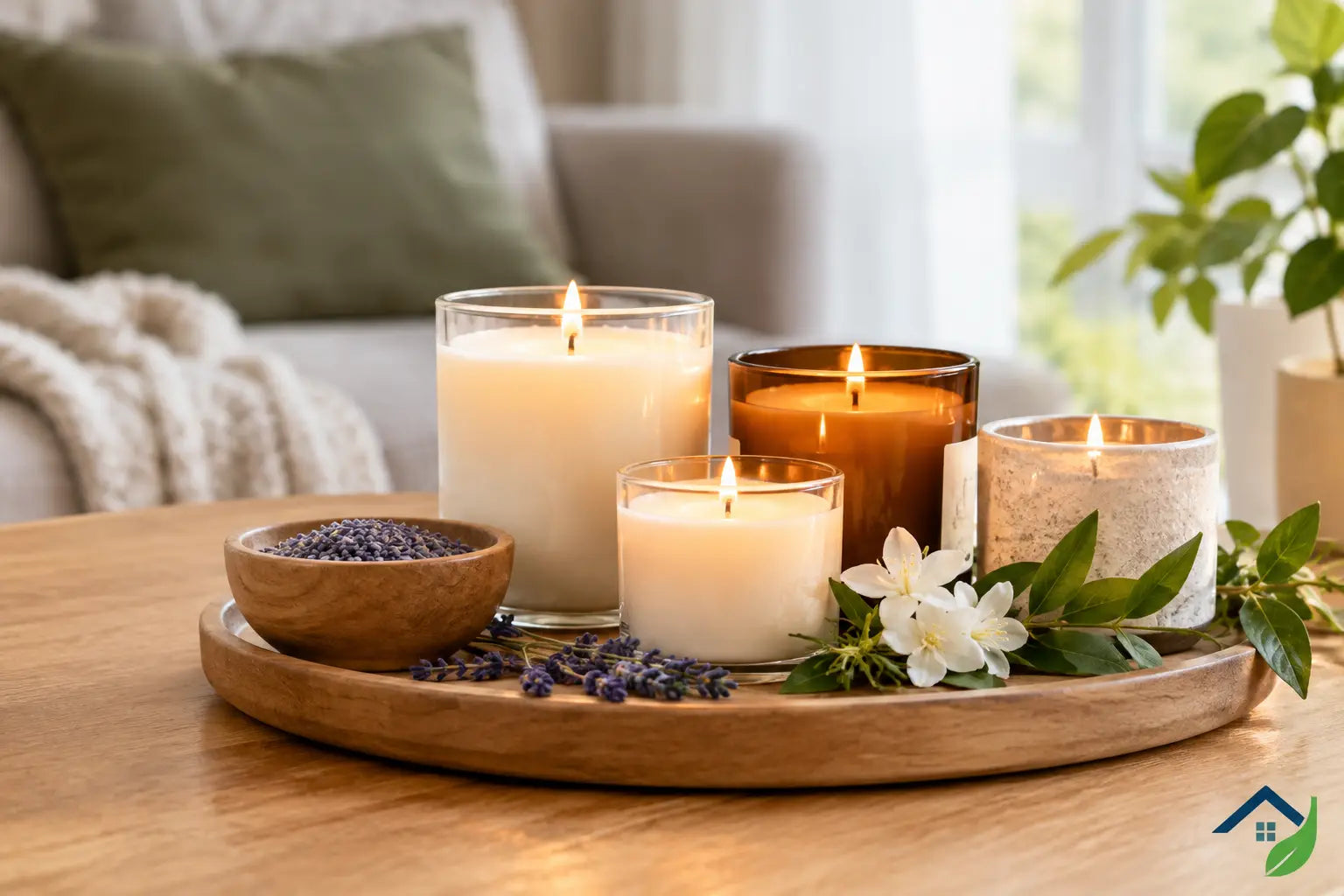
Your living room is often the best place for your most expressive fragrance. This is where candles shine. A candle creates scent, but it also brings a warm glow that makes everyday moments feel considered - movie nights, catch-up conversations, slow Sunday mornings, and dinners that linger long after the plates are cleared.
Choose a scent with comfort and character, such as amber and vanilla, sandalwood and fig, cedar and citrus, or a soft floral grounded by musk or wood. If you have an open-concept living and dining area, one candle or diffuser may be enough. Adding several competing scents can make the room feel busy rather than inviting.
For an easy layered effect, use a diffuser as the quiet background fragrance and light a complementary candle when you want the room to feel special. The diffuser carries the room between gatherings; the candle marks the moment.
Keep Kitchens Fresh, Not Overpowered
Kitchens need a different approach because cooking aromas are already part of the environment. Heavy sweetness or dense perfume can clash with garlic, coffee, or dinner on the stove. Here, crisp scents tend to work best: lemon, grapefruit, basil, rosemary, mint, green tea, or clean linen.
A room spray can be more practical than a constantly burning candle in the kitchen. Use it after cooking, once the air has cleared, to refresh the space before guests arrive or when you are resetting the room for the evening. A small diffuser near the sink or dining nook can work beautifully, but keep it subtle.
For a homewarming gift, pairing a fresh kitchen fragrance with a serving piece, a tea towel, or a dining essential creates a useful bundle that still feels elevated. It is the kind of gift that helps a new space feel lived in right away.
Use Bedrooms to Create a Personal Ritual
The bedroom is where scent layering should become quieter. You are not trying to impress anyone here. You are creating a cue that tells your mind the day is winding down.
Lavender, chamomile, cashmere, warm linen, gentle vanilla, and soft sandalwood are natural choices. A linen spray on bedding or curtains gives immediate impact without filling the room too heavily. A small candle used for a few minutes while reading can make an ordinary nighttime routine feel more restorative.
If you share a bedroom, choose something that feels balanced rather than overly sweet or intensely floral. Clean woods, lavender blended with cedar, or a gentle bergamot-and-musk combination tend to appeal broadly. The best bedroom scent is one you notice when you enter, then gradually stop noticing as you relax.
Bathrooms Benefit From a Clean Signature
A bathroom is an ideal place for a small, reliable fragrance source. A diffuser, wax warmer, or occasional room spray can keep the space feeling fresh between cleanings. Notes of eucalyptus, cotton, rainwater, aloe, white tea, or light citrus feel especially at home here.
Avoid using fragrance to cover a room that needs to be cleaned or aired out. Scent works best as the finishing touch after fresh towels are hung, surfaces are wiped down, and the room is reset. A neatly arranged tray with hand soap, a small plant, and a clean scent turns even a compact bathroom into a more welcoming space for guests.
Choose Fragrance Forms With Purpose
Layering does not mean buying every type of home fragrance. It means choosing the right form for the moment. Diffusers are ideal for a steady, low-maintenance scent in entryways, bathrooms, and quieter corners. Candles are best for atmosphere and intentional occasions. Room sprays offer a quick refresh before company arrives or after cooking. Linen sprays bring fragrance close to personal rituals, from making the bed to setting out guest towels.
Use no more than one or two fragrance sources in a small room. In larger spaces, place products apart from each other rather than grouping them on one table. This helps the scent move gently through the room instead of hitting you all at once.
It also helps to account for the season. Fresh citrus, airy florals, and green notes feel especially lovely in spring and summer. In fall and winter, woods, amber, spice, and soft gourmands bring more depth. There is no rule that says you must switch seasonally, though. If a clean linen scent makes your home feel peaceful in December, it is still the right choice.
Avoid the Most Common Layering Mistakes
The biggest mistake is mixing unrelated fragrance families at full strength. A tropical coconut candle, a sharp floral diffuser, and a cinnamon room spray may each smell pleasant on their own, but together they can compete. When in doubt, pair fragrances through a shared note. For example, a citrus scent and a cedar scent work because both can feel fresh and grounded. Vanilla and sandalwood often pair well because each adds warmth.
Another common issue is placing fragrance too close to food, heat, pets, or delicate fabrics. Keep open flames attended and away from drafts, children, and anything flammable. If you have pets, babies, asthma, migraines, or scent sensitivities in the home, go lighter than you think you need to. Ventilation and moderation matter more than intensity.
Finally, give a new scent time. Your nose adjusts quickly, which can make you think a product has stopped working when it has simply become familiar. Instead of adding more fragrance, step outside for a few minutes and return. You will get a better sense of how the room actually feels.
Make Your Home Scent Part of the Welcome
The most memorable homes appeal to more than the eye. A personalized accent, a thoughtfully arranged table, an indoor plant, and a gentle signature scent all communicate the same thing: someone cared enough to make this space feel good.
Start with one room, one mood, and one fragrance family. Let it become part of the small rituals that make home feel like home - the candle lit before guests arrive, the fresh linen mist after changing the sheets, the familiar scent that greets you after a long day. Those are the details that make every corner truly yours.