Cart
0
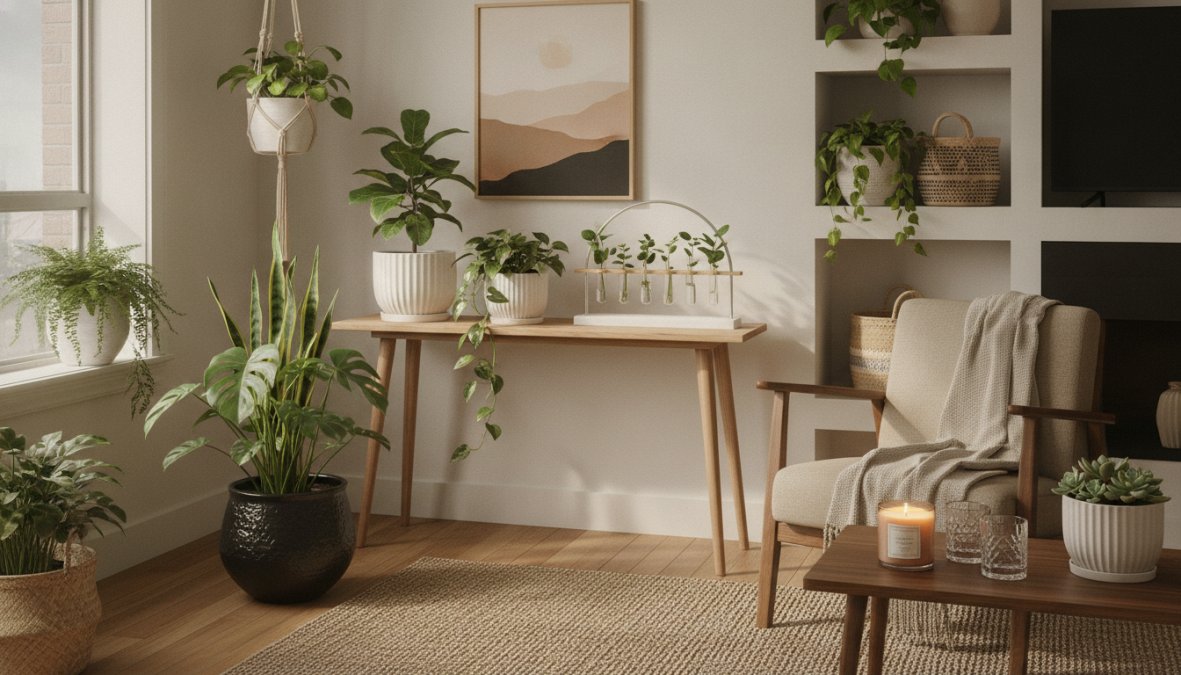
Table of Contents
- How to Style Indoor Plants in Your Apartment: Creating Visual Impact
- Best Indoor Plants for Apartments: Choosing the Right Species
- Layering Plants of Different Sizes and Textures
- Vertical Plant Displays for Small Spaces
- Choosing the Right Pots and Containers
- Renter-Friendly Plant Ideas and Budget Solutions
- Creative Plant Arrangements by Room and Lighting
- How to Style Indoor Plants to Soften Harsh Lines
Last Updated: July 21, 2026
How to Style Indoor Plants in Your Apartment: Creating Visual Impact
Learning how to style indoor plants transforms a blank apartment into a living sanctuary. Houseplants offer one of the most accessible ways to add warmth, color, and personality to your home. The key isn't placing plants randomly on shelves; it's arranging them strategically so they become focal points. Creating visual dimension with plants means considering height, texture, scale, and placement in relation to your existing décor. When done right, plants soften harsh architectural lines, draw the eye upward to maximize ceiling height, and create natural focal points that artwork alone cannot achieve.
Research on biophilic design and indoor plant benefits
Below are seven proven design strategies for styling indoor plants in any apartment.
Best Indoor Plants for Apartments: Choosing the Right Species
The first rule of styling is selecting plants that thrive in your apartment's conditions. Low-light champions include pothos, snake plants, and ZZ plants, they tolerate indirect light and minimal care. For brighter spaces, consider monstera, philodendrons, or rubber plants, which grow larger and create dramatic visual statements. Succulents work well for minimalist aesthetics and add sculptural shapes to shelving.
Match plant maturity to your apartment's layout. A small fern looks lost on a tall plant stand, while a sprawling monstera overwhelms a compact corner. Smaller apartments benefit from plants with vertical growth habits rather than spreading, bushy varieties that demand floor space.
Pro Tip
Before buying any plant, check your apartment's actual light conditions by observing which areas get direct sun, which stay perpetually shaded, and which get only reflected light. Plants positioned in mismatched lighting will struggle visibly.
Layering Plants of Different Sizes and Textures
Using Plant Stands and Pedestals for Dimension
Plant stands and pedestals create visual dimension by drawing the eye upward, making rooms feel taller and more intentional. This vertical approach is especially valuable in apartments where square footage is precious.
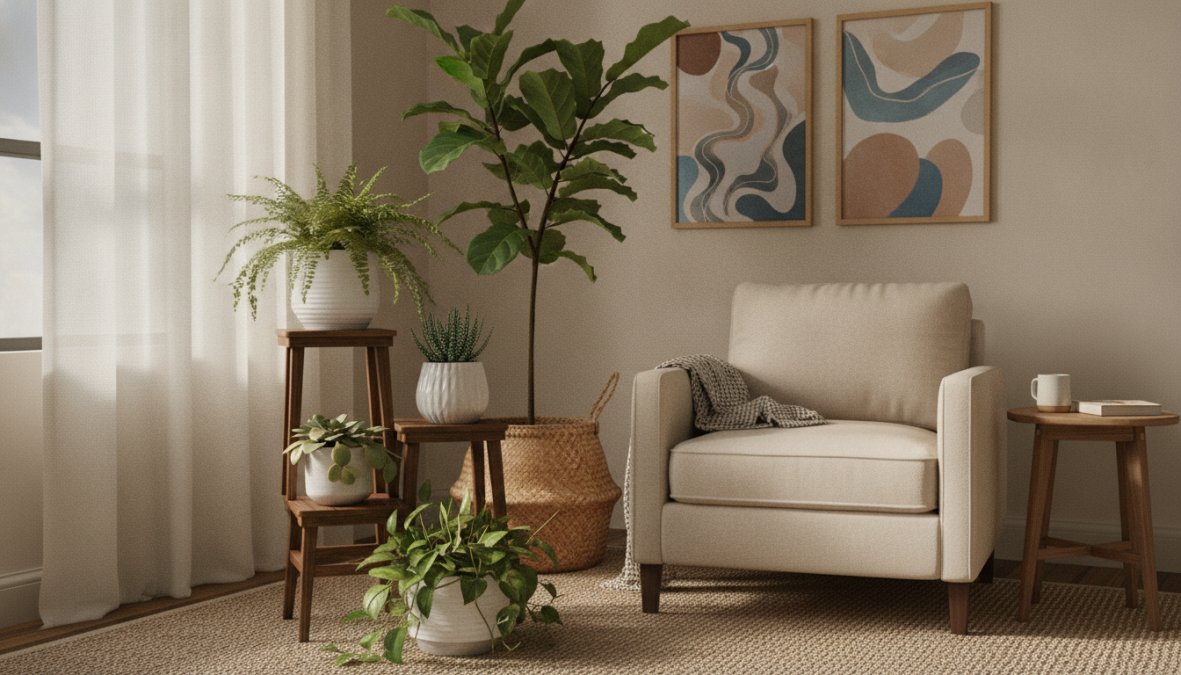
Natural materials like wood, rattan, or ceramic work with nearly any décor style. Metal stands in matte black or brass add contemporary edge. When selecting a pedestal, consider the weight of your planter and soil.
Height variation is crucial. Arrange plants so they create a staggered silhouette rather than a flat line. Tall plants in the back, medium-sized plants in the middle, and trailing varieties in front creates depth. AllWayzHome's 3-Piece White Ceramic Planter Pot Set with Fluted Design pairs beautifully with wooden pedestals for a cohesive look.
Combining Foliage Shapes and Colors
Vary the shapes and colors of your foliage. Mix strappy, upright varieties like snake plants with feathery ferns and trailing pothos that cascade over edges. This textural variety keeps the eye engaged.
Color matters more than many realize. Dark green foliage recedes, while lighter, variegated leaves pop forward. A plant with pale or cream-colored leaves can brighten a dark corner. Burgundy or deep purple foliage creates drama and sophistication. In small apartments, strategic color choices help define zones and create visual boundaries between living areas.
Key Takeaway
The most visually striking plant arrangements combine three elements: varied heights using stands, contrasting foliage shapes (round, strappy, feathery), and complementary colors (light and dark greens).
Vertical Plant Displays for Small Spaces
Rental-Friendly Wall Mounting Solutions
Renters can't drill into walls, yet vertical plant displays are impactful styling tools. Adhesive-mounted shelving, tension rods, or freestanding wall-mounted units require no damage to your apartment. Adhesive shelving strips rated for 25 pounds or more can safely hold small potted plants.
The [Quilted Design Wall Planter with Hidden Drip Tray](https://allwayzhome.myshopify.com/products/quilted-design-wall-planter-with-hidden-drip-tray-wall-planter-with-mounting-kit-premium-collection-quilted-design) combines stylish design with practical mounting hardware that works on most apartment walls, eliminating water damage concerns for renters managing security deposits.
Hanging planters suspended from tension rods create floating gardens without drilling. Trailing plants like pothos or string of pearls look elegant when suspended at eye level where their cascading foliage becomes a design feature.
Shelving and Furniture Integration
Repurpose existing bookshelves, floating shelves, and furniture as plant display surfaces. A bookshelf styled with a mix of books, decorative objects, and potted plants creates a curated aesthetic. Distribute plants across shelves rather than clustering them on one level to create visual rhythm.
Console tables, nightstands, and desk surfaces offer opportunities for smaller plant groupings. A single statement plant on a console anchors the space. Pair it with a smaller companion plant and a decorative object to create a styled vignette.
Interior design principles for small space styling
Choosing the Right Pots and Containers
Natural Materials and Ceramic Design
Your choice of container matters as much as the plant itself. Natural materials like ceramic, terracotta, and woven baskets communicate intentionality and care. Ceramic pots come in endless colors and finishes, allowing you to match or complement your apartment's palette.
Terracotta has a warm, earthy quality but dries out quickly. Ceramic holds moisture longer and offers more design flexibility. Woven baskets add texture and warmth when lined with a plastic nursery pot to protect them from water damage.
The [4 Inch Self Watering Planter](https://allwayzhome.myshopify.com/products/4-inch-self-watering-planter-large-indoor-outdoor-plant-pot-with-drainage-terracotta-green-beige-modern-ribbed-design) combines practical self-watering technology with modern ribbed design, solving the problem of inconsistent watering while adding visual appeal.
Scale and Balance in Container Selection
A tiny plant in an oversized pot looks lost; a large plant in a small container appears stressed. Your container should be 1-2 inches larger in diameter than the plant's root ball. Scale also applies to your apartment's proportions. In a small studio, grouping three 8-inch pots creates more impact than spreading them across the room.
Balance means avoiding visual weight on one side of a room. Distribute height and mass so the eye moves naturally through the space without getting stuck on one heavy focal point.
Watch Out
Overwatering is the leading cause of plant death in apartments, often because people use oversized pots with excessive soil that stays wet. Always use a pot with drainage holes and choose a size that fits the plant's current root system.
Renter-Friendly Plant Ideas and Budget Solutions
DIY Styling on a Budget
Styling your apartment with plants doesn't require expensive designer pots. Budget-friendly approaches include propagating plants you already own, swapping cuttings with friends, and buying smaller plants that mature over time. A $10 pothos cutting in a simple glass jar becomes a full, trailing plant within months.
Thrifted containers offer character and sustainability. Vintage ceramic bowls and glass vases from thrift stores often cost less than new pots while adding unique personality. Line them with plastic to protect them from water damage.
DIY plant stands can be built from stacked books, wooden crates, or ladder shelving available at budget retailers. Grouping smaller, cheaper plants creates visual impact without major investment. Five small plants arranged on a shelf create more presence than a single large plant, often at lower total cost.
The [Arch Wave Propagation Station](https://allwayzhome.myshopify.com/products/arch-wave-propagation-station) from AllWayzHome offers a budget-conscious way to propagate cuttings and display them as living décor.
Pet-Safe Plant Styling
If you share your apartment with cats or dogs, your plant selection impacts their safety. Toxic plants like lilies and sago palms must be avoided or kept completely out of reach. Pet-safe options include spider plants, Boston ferns, African violets, and Christmas cacti.
Placement becomes a safety strategy. Hanging plants suspended from ceiling hooks or wall-mounted planters stay beyond paw and nose reach. Tall plant stands create elevation that deters curious pets. Pet-safe plant styling often looks more intentional, with elevated displays and strategic grouping creating sophisticated arrangements.
Creative Plant Arrangements by Room and Lighting
Matching Plants to Your Apartment's Lighting Conditions
Your apartment's light is its most important design constraint. Before arranging, assess each area: direct sun (south or west-facing windows), bright indirect light (north-facing or filtered through sheer curtains), or low light (interior walls, far from windows).
Direct sun areas tolerate sun-loving plants like succulents and cacti. Bright indirect light suits most tropical houseplants like monstera and philodendrons. Low-light areas demand shade-tolerant species like snake plants, ZZ plants, and pothos, which actually prefer lower light.
Guide to apartment lighting conditions and plant selection
Room-Specific Styling Tips
Living rooms and bedrooms allow for larger, statement plants that become focal points. A tall monstera in a corner draws the eye and defines the space. Pair it with smaller plants at varying heights on shelves to create a cohesive display.
Kitchens and bathrooms present moisture and humidity that some plants prefer. Ferns and pothos thrive in bathroom humidity. A small shelf of trailing plants above a bathroom sink adds freshness without occupying floor space.
Entryways and hallways benefit from statement plants that make an immediate impression. A single tall plant or grouped arrangement creates visual interest and sets the tone for your apartment's style.
Home offices can include smaller potted plants that improve air quality and reduce visual fatigue from screens without creating clutter.
How to Style Indoor Plants to Soften Harsh Lines
Apartments often feature cold architectural elements, exposed brick, concrete walls, metal radiators, sharp corners. Plants soften these harsh lines and humanize sterile spaces.
Trailing plants draped along edges create organic, flowing lines that contrast with architectural hardness. Pothos cascading over a bookshelf or string of pearls spilling from a wall planter soften the sharp geometry of furniture and walls.
Tall plants positioned in corners break up the visual weight of corner angles. A fiddle leaf fig or monstera transforms an awkward junction into a design feature. Grouping plants of varying heights and textures softens large, empty wall spaces, especially in apartments where you can't hang artwork.
Key Takeaway
The most effective plant styling in apartments balances visual impact with practical constraints. Elevate plants vertically to maximize impact in limited square footage, match plants to actual light conditions, and use trailing and grouped arrangements to soften architectural hardness.
Styling your apartment with indoor plants transforms a space into a warm, inviting sanctuary. The challenge is arranging plants strategically so they become integral to your décor rather than afterthoughts. AllWayzHome specializes in curated plant collections and containers designed for apartment living, including their 3-Piece White Ceramic Planter Pot Set and rental-friendly Quilted Design Wall Planter. Start with one strategic plant grouping using the techniques above, then expand as you develop confidence. Your apartment deserves to feel like home.
| Styling Technique | Best For | Implementation Time | Visual Impact |
|---|---|---|---|
| Layering with plant stands | Creating height in small spaces | 30 minutes | High, draws eye upward |
| Vertical wall displays | Maximizing limited floor space | 1-2 hours | High, transforms walls |
| Grouping varied sizes | Adding visual interest to shelves | 20 minutes | Medium-High, creates rhythm |
| Trailing plants | Softening harsh corners | 15 minutes | Medium, organic contrast |
| Matching to light conditions | Ensuring plant health | 10 minutes | Essential, prevents decline |
Apartment Therapy's guide to styling small spaces with plants
Frequently Asked Questions
What are the best indoor plants for apartment living with low light?
Low-light apartments work well with pothos, snake plants, ZZ plants, and philodendrons, all hardy houseplants that thrive in indirect light. These species require minimal maintenance and adapt to apartment conditions. When styling indoor plants in apartments with limited natural light, position these shade-tolerant varieties away from direct sun. Pair them with ceramic pots or natural containers to enhance their aesthetic appeal while keeping them healthy in your specific lighting conditions.
How can I display plants in a small apartment without taking up floor space?
Vertical plant displays are ideal for small apartments. Use wall planters, floating shelves, or plant stands to create visual dimension without consuming square footage. The Quilted Design Wall Planter with Hidden Drip Tray ($24.95) offers rental-friendly mounting with a sleek aesthetic. You can also incorporate potted plants into existing bookshelves, hang propagation stations, or use corner pedestals. Layering plants of different sizes vertically maximizes your space while adding greenery and softening harsh architectural lines.
Are there renter-friendly ways to style plants in an apartment?
Yes, rental-friendly plant styling focuses on non-permanent solutions. Use adhesive wall planters, freestanding plant stands, and tabletop containers that require no drilling or damage. The Quilted Design Wall Planter features a mounting kit that works on renters' terms. Avoid permanent installations; instead, group potted plants on shelves, tables, and pedestals. Budget-friendly options like terrariums and propagation stations add character without commitment. This approach lets you transform your apartment into a warm sanctuary while respecting your lease.
How do I choose the right pots and containers to match my apartment's style?
Select containers that complement your apartment's aesthetic and scale. Ceramic planters like the 3-Piece White Ceramic Planter Set with Fluted Design ($38.99) add timeless elegance, while natural materials bring warmth. Consider pot size relative to your plant maturity, oversized containers overwhelm small spaces, while undersized ones look unbalanced. Mix container heights and textures to create visual interest. Self-watering options like the 4-Inch Self-Watering Planter ($28.80) combine functionality with style, making them ideal for apartment living where consistent watering matters.
This article was written using GrandRanker