Cart
0
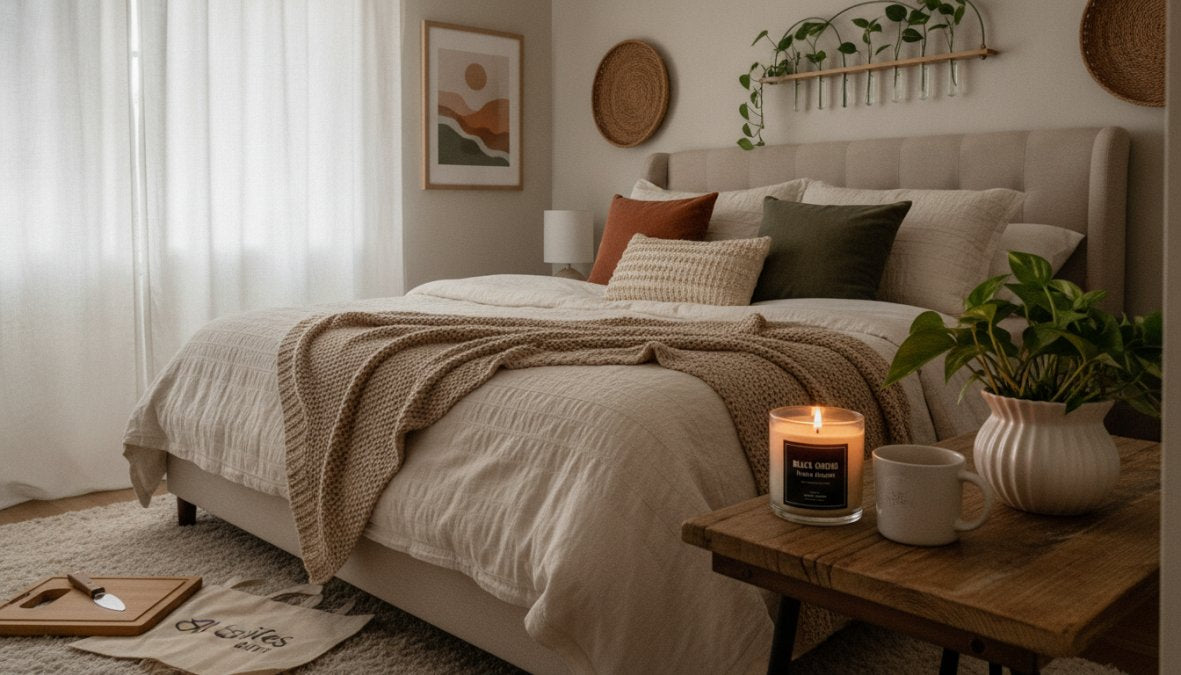
Table of Contents
- What Makes a Cozy Sanctuary Bedroom?
- Choose a Calming Color Palette for Serenity
- Layer Your Lighting for Ambient Relaxation
- Incorporate Natural Materials Into Your Design
- Layer Textures and Textiles for Comfort
- Create Small Cozy Bedroom Ideas With Smart Layouts
- Declutter and Curate Your Cozy Sanctuary
- Add Natural Elements and Living Greenery
Last Updated: July 22, 2026
What Makes a Cozy Sanctuary Bedroom?
Creating a cozy sanctuary bedroom transforms your sleeping space into a personal retreat where stress melts away. Research from the National Sleep Foundation shows that environmental factors like lighting, temperature, and décor directly impact sleep quality, with optimized bedrooms improving sleep by up to 23%.
A cozy sanctuary combines intentional design choices with sensory comfort. Every element, from bedding texture to lighting warmth, works together to create calm. When you design with intention, your bedroom becomes more than furniture and walls; it becomes a refuge.
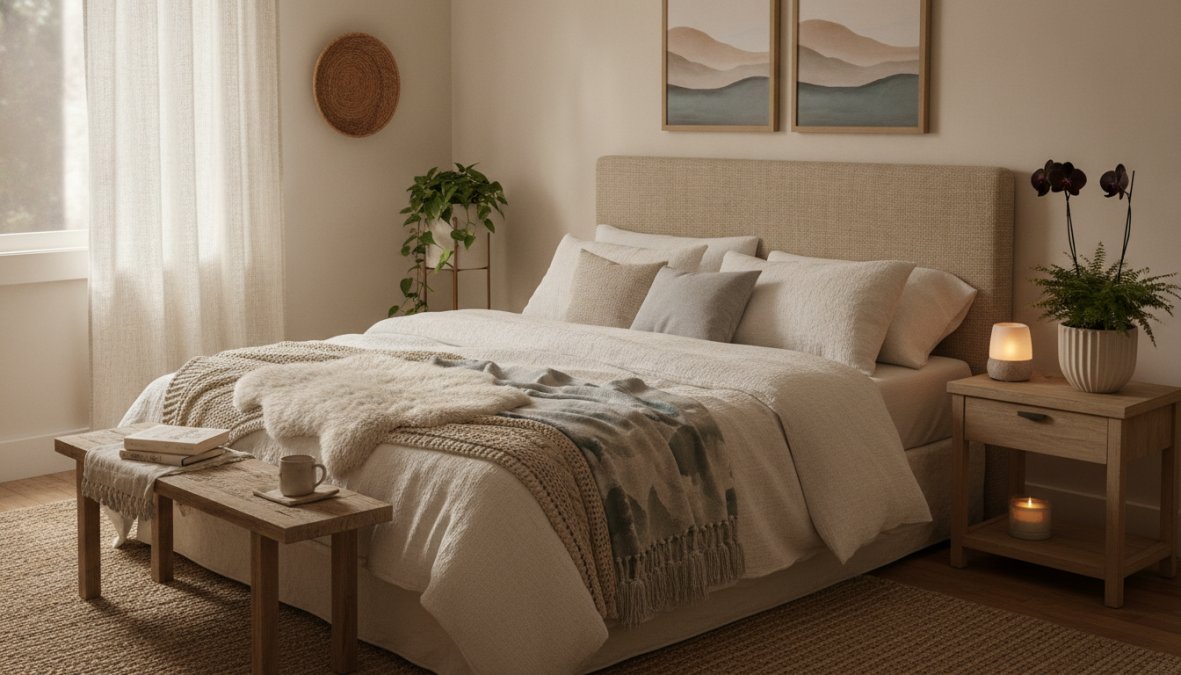
The foundation of any cozy sanctuary rests on three pillars: thoughtful color choices, strategic lighting, and intentional layering of soft materials. The real magic happens when these elements work together as a system, not as isolated decisions.
Pro Tip
The most overlooked element of cozy bedroom design is air quality. Adding one air-purifying plant [like a](https://allwayzhome.myshopify.com/products/3-piece-white-stoneware-planter-pot-set-with-embossed-texture) snake plant can measurably improve sleep by removing toxins and releasing oxygen at night.
Choose a Calming Color Palette for Serenity
Your color choices set the emotional tone for your entire bedroom. Neutral and moody tones create the foundation of a sanctuary because they calm the nervous system without competing for attention. Soft grays, warm beiges, muted taupes, and gentle creams have been shown in sleep research to promote relaxation more effectively than bright or saturated hues.
Neutral and Moody Tones That Soothe
Neutral colors work because they don't overstimulate. A bedroom painted in soft greige (a blend of gray and beige) creates visual rest without feeling cold or sterile. Warm neutrals with hints of brown or taupe feel more inviting than cool grays with blue undertones. Matte finishes on walls amplify this effect by absorbing light rather than reflecting it.
Moody colors like deep charcoal, soft sage, muted navy, and warm taupe create an enveloping feeling that many find deeply restful. These tones work particularly well in rooms with good natural light. The Sylvie Zen Botanical Rock Neutral Framed Canvas Set from AllWayzHome pairs beautifully with these moody palettes, adding visual interest without breaking the calm aesthetic.
Warm Accent Walls to Define Your Oasis
One accent wall in a warm tone, terracotta, soft rust, or warm bronze, can transform a neutral bedroom without overwhelming it. This wall becomes a focal point, often placed behind the headboard, creating visual depth. When selecting an accent wall color, test paint samples in your actual bedroom lighting at different times of day, as morning light reveals different undertones than evening light.
Key Takeaway
The most effective bedroom color palettes use 60% neutral base colors, 30% supporting neutral tones, and 10% warm accent color. This ratio creates visual interest while maintaining the calm foundation a sanctuary requires.
Layer Your Lighting for Ambient Relaxation
Lighting transforms a bedroom from functional to sanctuary-quality. Most bedrooms rely on a single overhead fixture that bathes the room in harsh, uniform light. Strategic lighting creates depth, warmth, and the ability to adjust ambiance as your body prepares for sleep.
Soft Overhead and Task Lighting
Overhead lighting should be dimmable and warm-toned (2700K color temperature mimics candlelight and supports melatonin production). Installing a dimmer switch gives you control over light intensity without replacing fixtures. Philips Hue smart bulbs offer dimming capabilities and color options, allowing you to shift from bright morning light to warm evening amber.
Task lighting serves specific purposes: bedside reading or getting dressed. Wall-mounted reading lights flanking your bed eliminate the need for bright overhead light while reading. These should be positioned at eye level when sitting and angled to avoid glare.
Accent Lighting and Dimmer Controls
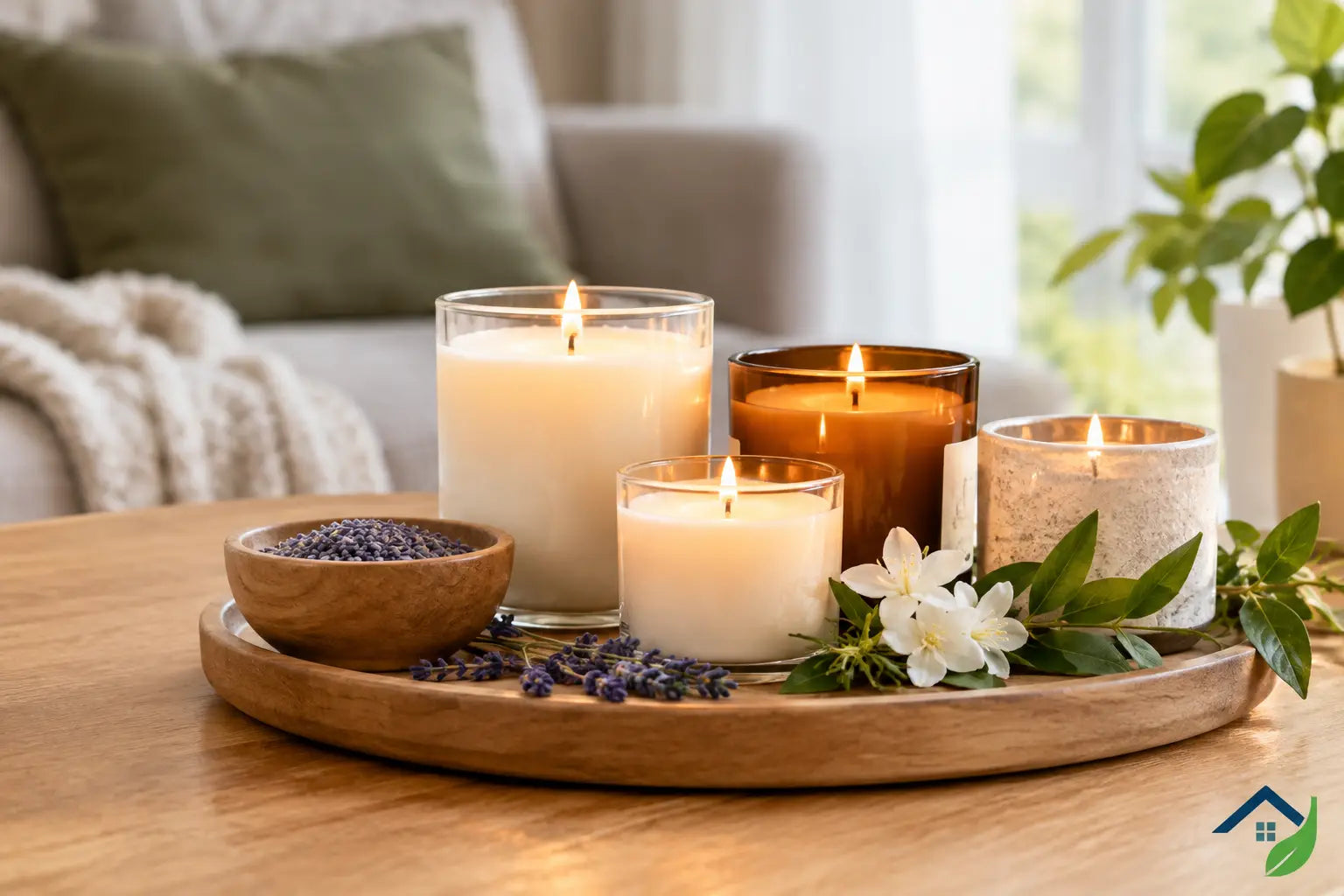
Accent lighting creates the emotional warmth that defines a cozy sanctuary. String lights, candles, or wall sconces positioned at varying heights add layers of soft illumination. The Cinnamon Swirl Signature Candle from AllWayzHome ($18.95) provides both visual warmth and comforting scent. Candles work because they flicker naturally, creating gentle movement that's psychologically soothing.
Dimmer controls are essential for sanctuary bedrooms. They allow you to reduce light intensity gradually as evening approaches, supporting your body's natural circadian rhythm. Research shows that dimming lights one hour before bed increases melatonin production and improves sleep onset by 15-20 minutes on average.
Incorporate Natural Materials Into Your Design
Natural materials ground a bedroom in authenticity and create tactile comfort. Wood, stone, and sustainable textiles connect you to the natural world, which research in environmental psychology links to reduced stress and improved sleep quality.
Wood, Stone, and Sustainable Textiles
A wooden headboard, nightstand, or accent shelving brings warmth and organic texture. Stone elements like a slate nightstand or marble shelf add coolness and solidity that balances softer furnishings. The combination of warm wood and cool stone creates sensory balance.
Sustainable textiles matter both for your health and the sanctuary feeling. Organic cotton sheets, linen bedding, and natural fiber rugs feel different on your skin than synthetic alternatives. They breathe better and regulate temperature more effectively. The Original PeachSkinSheets ($105 for a Queen set) use athletic-grade SMART fabric that regulates temperature while remaining hypoallergenic.
Non-Toxic Bedding and Soft Furnishings
Non-toxic materials matter in a bedroom because you spend 8 hours breathing the air around your bedding. Off-gassing from synthetic foams, chemical dyes, and flame retardants can interfere with sleep quality. Certified organic bedding, natural latex pillows, and untreated wood furniture eliminate these concerns. The Velveteen Plush Blanket from AllWayzHome ($38.52) provides luxurious softness without synthetic chemicals.
When shopping for bedding, look for certifications: GOTS (Global Organic Textile Standard) for cotton, OEKO-TEX for chemical safety, and FSC for sustainably harvested wood. A weighted blanket like the Baloo Weighted Blanket ($159) uses lead-free glass beads and breathable cotton, combining therapeutic pressure with non-toxic materials.
Layer Textures and Textiles for Comfort
Texture is where sanctuary bedrooms come alive. Layering different fabrics, smooth cotton sheets, a chunky knit throw, plush pillows, a soft rug, creates sensory richness that makes your bedroom feel luxurious and inviting.
Bedding and Pillow Arrangements
Your bed is the centerpiece and should feel like a cloud. Start with high-quality sheets (at least 400-thread count for durability). Add a duvet or comforter suited to your climate. The Boll & Branch Dream Throw Blanket ($199) uses organic cotton and adds a sophisticated layer.
Pillow arrangement matters more than most people realize. Four pillows creates visual abundance: two standard pillows for sleeping, two decorative shams in front. Mix textures: silk-lined pillows for hair health, memory foam for support, down for softness. Vary pillow heights and firmness so you can choose what feels right each night.
Throws, Blankets, and Layered Comfort
Throws draped over the foot of your bed or across a reading chair add texture and invite coziness. A chunky knit throw in cream or warm gray feels different from a smooth linen throw, creating visual and tactile variety. When you have multiple blankets available, your brain perceives more comfort options and can adjust layers based on temperature and mood.
Watch Out
Over-layering can create clutter that undermines calm. Aim for 3-5 distinct textile layers maximum. Choose layers in coordinating neutral tones so they visually blend rather than compete.
Create Small Cozy Bedroom Ideas With Smart Layouts
Small bedrooms require intentional design to feel spacious while maintaining sanctuary qualities. The challenge is creating coziness without claustrophobia.
Maximizing Space With Vertical Storage
Vertical storage is your secret weapon in small bedrooms. Wall-mounted shelves above the nightstand, floating shelves for plants, and tall narrow dressers keep floor space open while providing storage. A canopy bed or tall headboard draws the eye upward, making ceilings feel higher. Mirrors strategically placed opposite windows reflect light and create the perception of depth.
Decluttering becomes critical in small bedrooms. Every item should earn its place. A small bedroom sanctuary might have fewer decorative items than a larger one, but each piece should be carefully chosen and beautifully displayed.
Reading Nooks and Personal Retreats
Even in a small bedroom, a reading nook creates a personal retreat within your retreat. A comfortable chair in a corner with a small side table and good lighting transforms that space. If floor space is limited, a window seat works beautifully. The reading nook should be separated visually from your sleeping area, even if just by a few feet, so your brain associates different areas with different activities.
Declutter and Curate Your Cozy Sanctuary
A cluttered bedroom cannot be a true sanctuary, no matter how beautiful the individual pieces are. Clutter creates cognitive load that prevents the mental rest a sanctuary provides.
Organization Systems That Support Serenity
Effective organization keeps items accessible while hidden from view. Nightstand drawers hold reading glasses and journals. Under-bed storage boxes hold seasonal items or extra bedding. Closet organization systems ensure clothes are neatly arranged. The best organization systems are invisible; you only see the calm result.
Mindful Curation of Decor and Accessories
Curated means intentional. Walk through your bedroom and honestly assess each item. Does this nightstand lamp work functionally and aesthetically? Does this wall art make you feel calm? Keep items that earn their place; remove items that are just taking up space. Rather than accumulating random décor, thoughtfully selected pieces create cohesion.
| Organization Element | Purpose | Implementation | Impact on Sanctuary |
|---|---|---|---|
| Nightstand drawer organizer | Hide essentials from view | Dividers for glasses, journal, sleep aids | Maintains visual calm on surface |
| Under-bed storage boxes | Store seasonal items | Matching boxes labeled clearly | Frees closet space, hides clutter |
| Closet system | Organize clothing logically | Matching hangers, grouped by type | Reduces decision fatigue |
| Decorative baskets | Contain small items | Woven baskets for blankets, pillows | Adds texture while organizing |
| Wall shelving | Display curated items | 3-5 items per shelf maximum | Creates visual interest without clutter |
Add Natural Elements and Living Greenery
Plants and natural elements connect your bedroom to the living world. Research in biophilic design shows this reduces stress and improves wellbeing. A bedroom without natural elements feels sterile; one with plants feels alive.
Air-Purifying Plants and Indoor Botanicals
Snake plants are the sanctuary bedroom MVP. They remove toxins like formaldehyde and benzene while releasing oxygen at night. They're also nearly impossible to kill, requiring water only every 2-3 weeks. Pothos, peace lilies, and spider plants offer similar air-purifying benefits with different aesthetic qualities.
Arrange plants at varying heights using shelves, plant stands, and hanging planters. This creates visual depth and makes the botanical element feel intentional. A single plant in a corner feels lonely; three plants at different heights feel like a curated garden.
Natural Light and Window Treatments
Natural light is the most important element you can't control, but window treatments let you manage it. Sheer curtains filter harsh morning light while maintaining privacy. Blackout curtains for sleeping hours support melatonin production and prevent early waking from dawn light.
The ideal setup uses layered window treatments: sheer curtains for daytime light filtering and blackout curtains for nighttime darkness. Wood or natural fiber curtain rods complement the natural materials theme. Metal rods can work if they're matte rather than shiny, avoiding harsh reflections that break the calm atmosphere.
A cozy sanctuary bedroom isn't a luxury; it's an investment in your sleep quality, stress levels, and daily wellbeing. The design principles covered here work because they're rooted in how human brains and bodies respond to environment. When you combine calming colors, strategic lighting, natural materials, and intentional curation, you create a space that genuinely supports rest.
AllWayzHome offers thoughtfully curated collections designed to support exactly this vision. Their curated home décor bundles bring together complementary pieces that work together to create sanctuary feelings. Rather than hunting for individual items, curated collections ensure your décor pieces actually complement each other aesthetically and functionally.
Start with one element: better lighting, a quality throw blanket, or your first air-purifying plant. Small changes compound. Within weeks of intentional adjustments, you'll notice deeper sleep and genuine calm when you enter your bedroom.
Frequently Asked Questions
How do I make my bedroom feel like a cozy sanctuary?
Transform your bedroom into a cozy sanctuary by layering soft textures, choosing a calming color palette in neutral or warm tones, implementing ambient lighting with dimmers, and incorporating natural materials. Add indoor plants for air purification, declutter to reduce visual stress, and engage multiple senses through candles or diffusers. The psychology of sleep environments shows that reducing stimuli and creating a curated, intentional space promotes deeper relaxation and better rest.
What colors should I use for a calming color palette in my bedroom?
Neutral palettes work best, soft grays, warm beiges, creams, and muted taupes create serenity without overstimulation. Warm tones like soft terracotta or dusty sage add coziness. Moody colors like deep navy or charcoal can work as accent walls if balanced with lighter textiles and layered lighting. Avoid bright, saturated colors that can trigger alertness; instead, aim for matte finishes and understated hues that support relaxation and sleep hygiene.
What are budget-friendly DIY ways to create a cozy bedroom sanctuary?
Start with affordable layering: repurpose blankets and pillows you own, rearrange furniture to create a reading nook, and use string lights or thrifted lamps for ambient lighting. Paint an accent wall yourself for under $50. Add greenery with low-cost plants like snake plants. Use fabric swatches to test color schemes before committing. Organize existing items in attractive baskets to declutter. AllWayzHome's Velveteen Plush Blanket ($38.52) offers affordable luxury layering without breaking your budget.
How can I make a small apartment bedroom feel cozy and spacious?
Use vertical storage to maximize floor space and reduce clutter. Choose light, neutral colors to open up the room visually. Layer lighting at different heights, overhead, task, and accent, to create depth. Create a small reading nook in a corner with a cushion and throw blanket. Use mirrors to reflect light and create the illusion of space. Select multi-functional furniture like storage beds. Natural materials and plants add warmth without taking up much space, making small rooms feel intentional and serene rather than cramped.
This article was written using GrandRanker