Cart
0
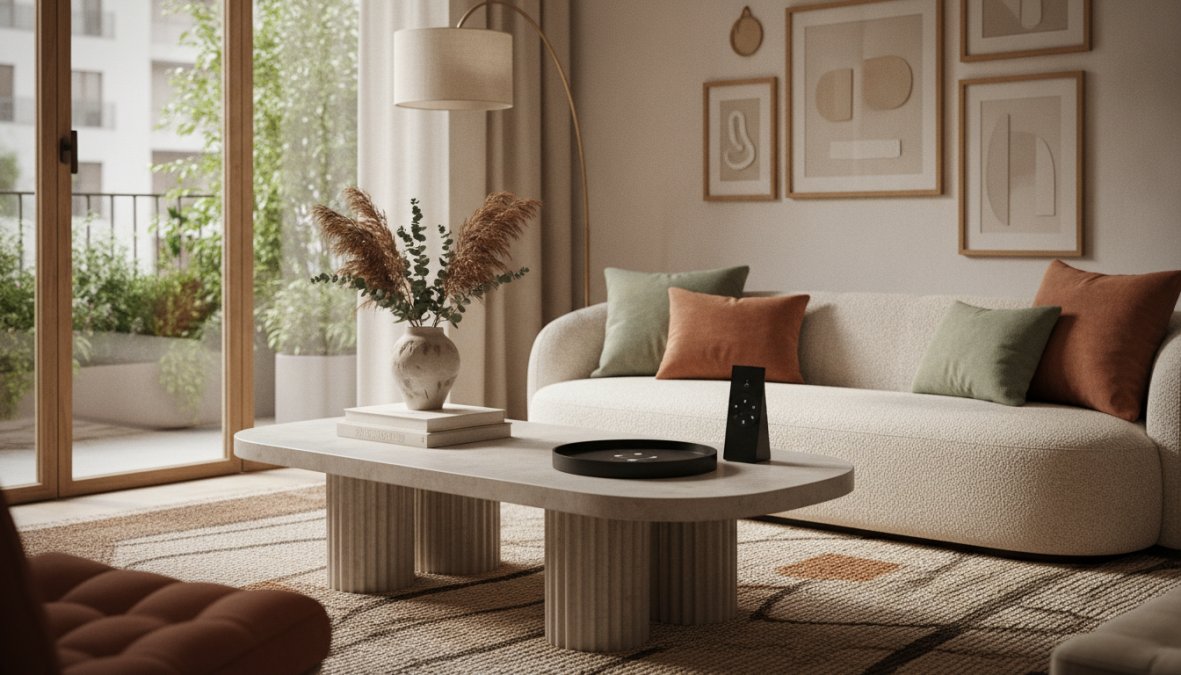
Table of Contents
- Home Decor Trends for Modern Living Spaces: What's Shaping 2026
- Curved and Organic Furniture Shapes
- Biophilic Design Elements in Modern Living Spaces
- Modern Living Room Color Palettes: Bold and Vibrant Meets Earthy
- Maximalist Decor and Eclectic Details
- Sustainable Home Decor Trends: Eco-Friendly Materials and Artisan Craftsmanship
- Statement Lighting and Smart Home Integration
- Layered Rugs, Textiles, and Sculptural Accents
Last Updated: July 3, 2026
Home Decor Trends for Modern Living Spaces: What's Shaping 2026
Home decor trends for modern living spaces have shifted dramatically in 2026. According to Interior Design Trends Report 2026, homeowners are prioritizing comfort, sustainability, and personal expression over rigid design rules. Modern living spaces now blend maximalism with intentionality, bold colors with earthy tones, and statement pieces with functional elegance, celebrating texture, personality, and the beauty of imperfection rather than minimalism's cold perfection.
Why These Trends Matter for Your Living Room
Your living room sets the tone for your entire home. The trends shaping modern living rooms in 2026 address a real tension: how do you create a space that feels both current and timeless, bold and livable, curated and comfortable? A space reflecting your personality and incorporating textures you love becomes more than furniture arranged in a room, it becomes a sanctuary.
Curved and Organic Furniture Shapes
Curved sofas, rounded coffee tables, and organic furniture silhouettes have moved from luxury showrooms into mainstream living rooms. These shapes feel softer and more inviting than rigid angular designs. A curved sofa instantly transforms a living room's energy, creating visual flow and encouraging conversation while feeling less formal than angular designs.
When selecting curved pieces, consider your space's scale. Generously curved sofas work beautifully in rooms over 200 square feet, while tighter spaces benefit from subtly curved edges. Pair curved seating with straight-edged accent tables to balance visual weight.
Pro Tip
Curved furniture creates natural focal points in living rooms. Position your curved sofa to face a window or statement wall to maximize its visual impact and sense of openness.
Biophilic Design Elements in Modern Living Spaces
Biophilic design, incorporating natural elements, materials, and patterns into interior spaces, addresses a fundamental human need for connection to nature. Research from Environmental Psychology and Interior Design Study shows that spaces incorporating natural elements reduce stress and increase wellbeing.
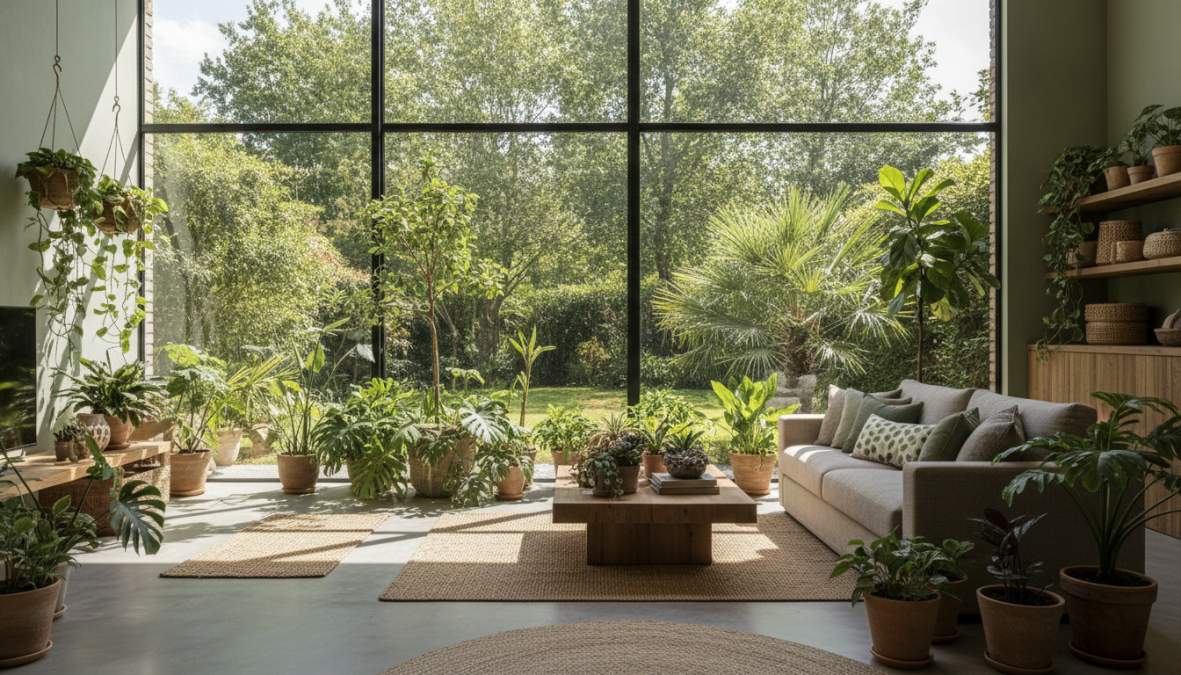
Combine several biophilic elements: live plants in varying heights, natural wood in furniture or wall treatments, stone or ceramic accents, natural light sources, and views to nature when possible.
Key Takeaway
Biophilic design reduces stress by up to 37% in residential spaces. Adding three to five well-placed plants and incorporating natural wood or stone elements measurably improves how you feel in your living room.
Layering Natural Textures and Materials
What separates an uninspired living room from one that feels alive is texture. Modern living spaces celebrate the tactile quality of materials: rough linen, smooth ceramic, nubby wool, cool stone, warm wood. Layering these textures creates visual interest and makes a space feel intentionally designed.
Start with your largest pieces. A textured area rug in natural fiber grounds the space and invites barefoot comfort. Add textural contrast through upholstery: a velvet sofa paired with linen curtains, or a smooth leather accent chair alongside a chunky knit throw. Include ceramic or stoneware accents that introduce tactile variation. Combining rough and smooth textures prevents a space from feeling one-dimensional while creating comfort.
Modern Living Room Color Palettes: Bold and Vibrant Meets Earthy
Color trends for 2026 embrace bold, saturated colors, deep jewel tones like emerald and sapphire, warm terracottas, rich ochres, and moody charcoal, balanced with warm, earthy neutrals. The most successful palettes combine a dominant neutral base with one or two bold accent colors. A living room might feature warm linen walls, a deep forest green curved sofa, and burnt orange ceramic accents.
Watch Out
Avoid applying bold colors to all four walls at once. In smaller spaces, this creates a cave-like feeling. Instead, accent one wall or use bold colors through furniture, textiles, and accessories.
Color choice dramatically affects how spacious a room feels. Warm, light colors expand a space visually, while dark, saturated colors compress it. In small living rooms, use bold colors strategically on a single accent wall or large furniture piece, then balance with lighter walls and natural light. Vertical color blocking creates the illusion of higher ceilings.
Maximalist Decor and Eclectic Details
Maximalism celebrates abundance, pattern mixing, and personal collections. Rather than removing everything unnecessary, a maximalist modern living room features patterned wallpaper, layered textiles, eclectic furniture styles, and curated collections of books, plants, and art.
The skill in maximalism is creating intentional eclecticism rather than chaotic clutter. Every piece should earn its place through beauty, functionality, or personal meaning. Group similar items, use consistent color threads throughout, and ensure negative space exists even amid abundance. Maximalism celebrates handmade and artisan pieces, textiles with visible weaving patterns, ceramics with irregular glazes, wood furniture with visible grain, that create warmth mass-produced items can't match.
You don't need luxury prices to embrace maximalism. Invest in one or two statement pieces, then build around them with affordable accents from thrift stores and online marketplaces. Mix these finds with new basics from accessible retailers for an intentional, curated look.
| Maximalism Strategy | Best For | Budget Impact | Time Required |
|---|---|---|---|
| Thrifted statement pieces + new basics | Budget-conscious decorators | Low overall cost, high visual impact | Medium (hunting/selection) |
| Single bold wall + layered textiles | Renters, small spaces | Moderate (paint + textiles) | Low (simple application) |
| Curated collections (books, plants, ceramics) | Collectors, book lovers | Variable (build over time) | High (sourcing pieces) |
| Vintage furniture + modern accents | Eclectic enthusiasts | Medium-high | Medium (refinishing optional) |
Sustainable Home Decor Trends: Eco-Friendly Materials and Artisan Craftsmanship
Sustainability has moved from niche concern to mainstream expectation. Homeowners seek sustainable home decor made from renewable materials, produced ethically, and built to last decades. Sustainable materials include reclaimed wood, organic cotton, linen, wool, bamboo, cork, and natural clay ceramics. These materials age beautifully, developing patina and character over time.
Artisan craftsmanship is central to sustainable design. Handwoven rugs, hand-thrown ceramics, and hand-finished wood furniture represent skilled labor and intentional creation. These pieces cost more upfront but last longer and carry stories mass-produced items can't match.
Pro Tip
When selecting sustainable pieces, ask about material sourcing and production methods. Brands transparent about supply chain and labor practices offer genuinely sustainable products rather than greenwashing.
Patina, surface changes as materials age, is celebrated in 2026 design. A brass fixture developing natural green patina, wood furniture with visible wear marks, or ceramic pieces with subtle glaze variations tell stories and add character. Handwoven textiles bring texture and visual interest that industrial production can't replicate, with slight variations that make each piece unique.
Statement Lighting and Smart Home Integration
Statement lighting, bold, sculptural fixtures serving as focal points, defines modern living spaces. Pendant lights with dramatic shapes, oversized floor lamps with sculptural bases, and artistic wall sconces add visual interest while illuminating the room.
Smart lighting allows you to adjust color temperature and intensity throughout the day, supporting circadian rhythms. Warm light (2700K) in evenings promotes relaxation; cooler light (4000K) during daytime supports focus. The best solutions blend seamlessly into your design rather than screaming "technology."
Modern living spaces integrate smart home technology without sacrificing design. Consider smart lighting mimicking natural daylight cycles, smart thermostats learning your preferences, and audio systems hidden within furniture. Rather than visible tech boxes creating clutter, integrated solutions support your lifestyle while maintaining aesthetic integrity.
Layered Rugs, Textiles, and Sculptural Accents
Layering rugs has become a signature technique. Rather than a single rug, layer two or three with different textures, colors, and patterns. A large jute rug provides a natural base; a smaller patterned wool rug adds color; a plush cream rug near seating adds softness and defines the conversation area.
This layering extends to all textiles. Throw pillows in varying textures, velvet, linen, knit, leather, create visual and tactile interest. Layered throws draped over sofas add warmth and inviting comfort. Sculptural accents like ceramic vessels, metal sculptures, or carved wood forms add visual interest and serve as conversation starters. Group these pieces in odd numbers and varied heights for maximum impact.
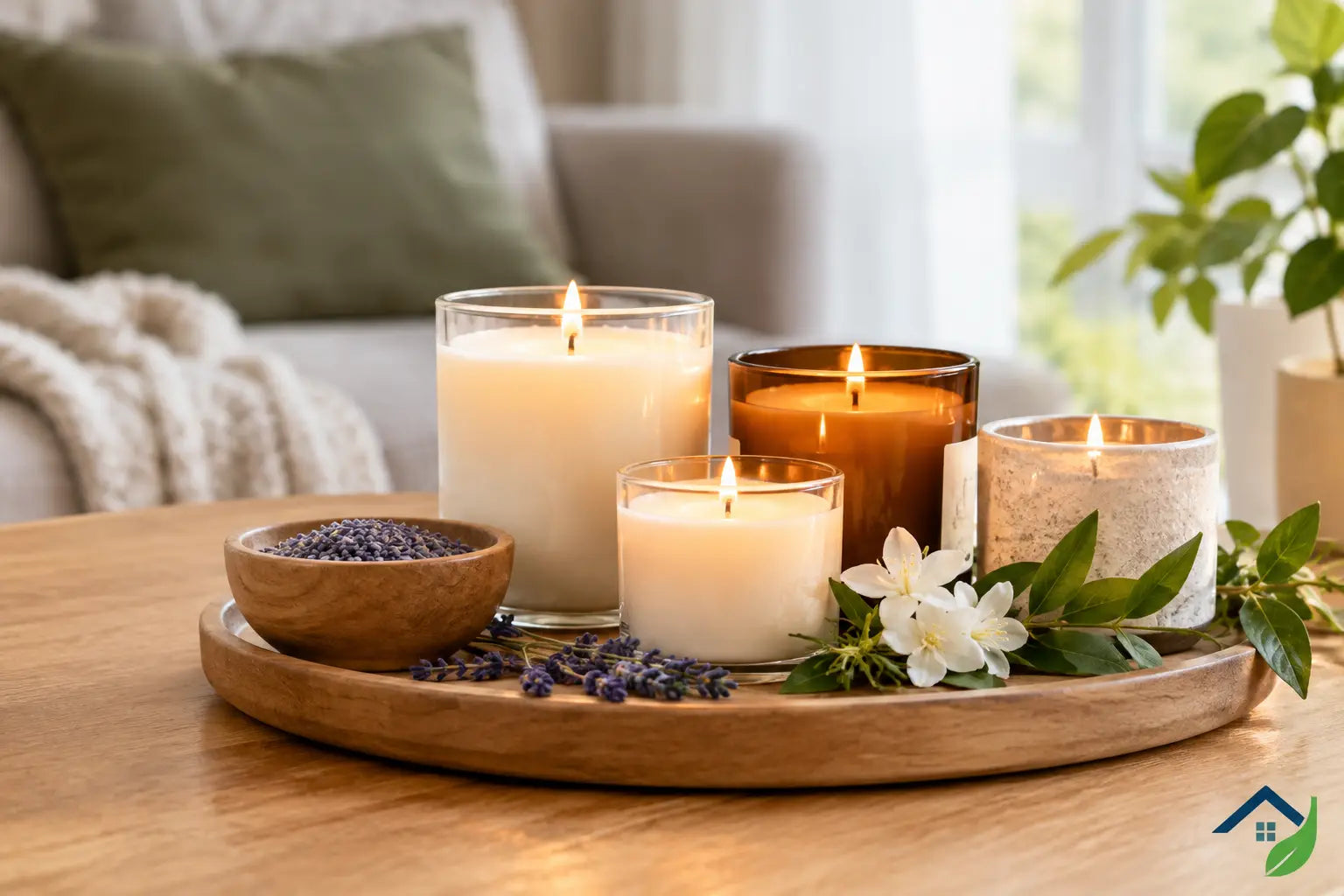
Creating a modern living space reflecting current home decor trends while feeling authentically yours requires balancing bold color with calm neutrality, abundant texture with visual clarity, and statement pieces with functional comfort. AllWayzHome's curated collection of personalized home décor, from elegant candle and fragrance sets creating ambiance to lush indoor greenery bringing biophilic design into your space, helps bridge this gap. Our thoughtfully bundled items are designed to work together, eliminating guesswork in coordinating pieces. Explore AllWayzHome's collection today and discover how intentional design choices transform your house into a warm, inviting sanctuary.
Frequently Asked Questions
What are the current home decor trends for modern living spaces?
Today's home decor trends for modern living spaces emphasize curved furniture shapes, biophilic design with indoor plants, bold color palettes, sustainable materials, and maximalist eclectic details. Statement lighting combined with smart home technology is also gaining traction. These trends prioritize both aesthetic appeal and intentional living, blending comfort with character and allowing homeowners to create spaces that feel both contemporary and inviting.
How can I implement home decor trends on a budget?
Budget-conscious decorating starts with layering affordable textiles like handwoven rugs from brands like H&M Home, adding sculptural ceramic accents, and incorporating statement lighting through smart bulbs. Focus on one or two trend elements, perhaps a curved accent chair or bold wall color, rather than overhauling everything. Thrift patinated textures and artisan pieces, use paint to refresh spaces affordably, and build your aesthetic gradually with intentional, curated selections.
What are the best modern living room color palettes for small spaces?
For small spaces, modern living room color palettes should balance vibrant accent colors with neutral bases. Consider soft, earthy tones as your foundation, warm beiges, soft greens, or muted blues, then layer in one bold color through textiles or art. The psychology of color matters: lighter tones expand perception of space, while strategic pops of color add visual interest without overwhelming. Biophilic greens and natural wood tones create depth while maintaining an airy feel.
How do sustainable materials fit into modern home decor trends?
Sustainable home decor trends emphasize eco-friendly materials like bamboo, organic linen, and responsibly sourced wood. Artisan-crafted pieces with patinated textures add character while supporting ethical production. Look for handwoven rugs, ceramic accents, and vintage or upcycled furniture that bring timeless appeal. Brands like Farrow & Ball offer low-VOC paint, while AllWayzHome curates sustainable collections. These choices create warm, inviting spaces while reducing environmental impact.
This article was written using GrandRanker