Cart
0
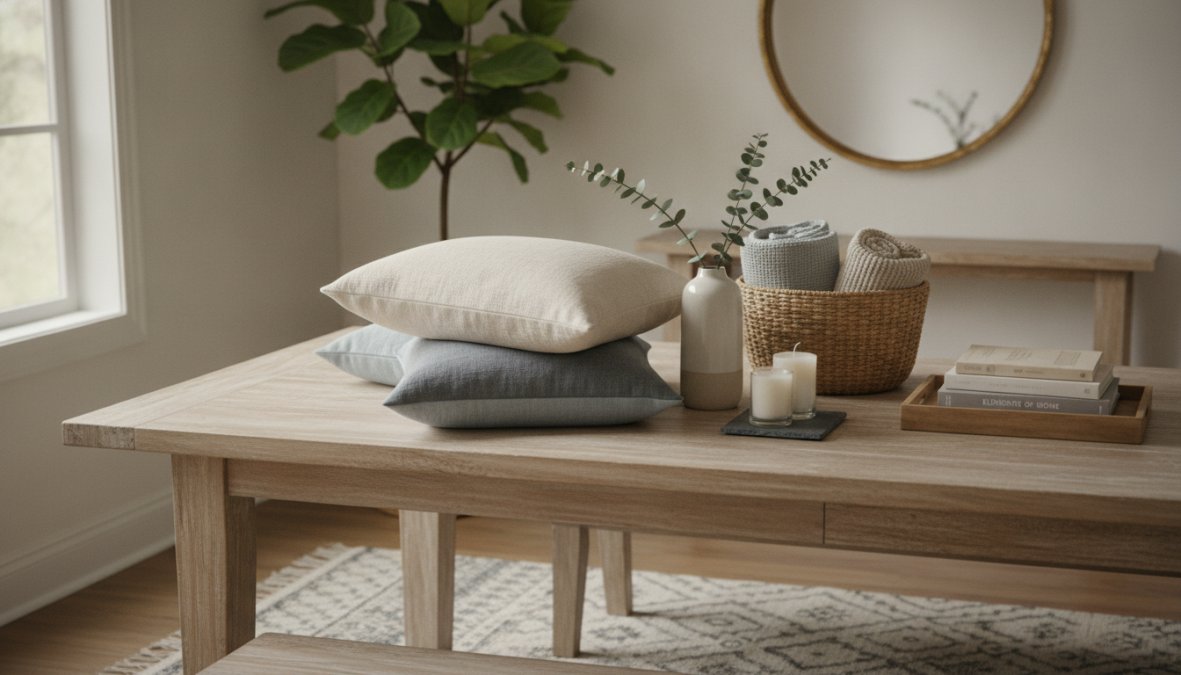
Table of Contents
- Essential Home Decor Items for Beginners: Where to Start
- Foundational Furniture Pieces That Define Your Living Space
- How to Decorate a Living Room for Beginners: Layering and Texture
- Wall Art and Decorative Accents: Creating Visual Interest
- Lighting and Candles: Setting the Mood
- Greenery and Indoor Plants: Bringing Life Into Your Home
- How to Style a Coffee Table: A Beginner's Approach
- Affordable Home Decor Ideas for Budget-Conscious Beginners
Last Updated: July 2, 2026
Essential Home Decor Items for Beginners: Where to Start
Creating a warm, inviting living space doesn't require a design degree or a limitless budget. The essential home decor items for beginners form the foundation of any well-designed room. Research from interior design psychology studies at the University of British Columbia shows that thoughtfully curated spaces reduce stress and improve well-being. Starting with foundational pieces, those that anchor a room, add personality, and transform a house into a sanctuary, matters far more than accumulating decorative clutter.
Below, we'll walk you through the essential categories every beginner should understand: the furniture that defines your space, the textiles that add warmth, the lighting that sets the mood, and the accents that make it yours.
Pro Tip
The rule of intentional decorating: every piece should either serve a function, add beauty, or do both. If it does neither, it doesn't belong in your space.
Foundational Furniture Pieces That Define Your Living Space
Your furniture choices are the biggest visual anchors in any room. Getting them right means your entire aesthetic can follow naturally.
The Sofa: Your Living Room Anchor
A sofa is often the first major purchase beginners make, and it's the most consequential. Your sofa dictates your color palette, consumes a significant portion of your budget, and determines how the rest of your room will flow. Choose a neutral tone, gray, beige, navy, or cream, and you have unlimited flexibility with pillows, blankets, and wall colors later.
Measure your space before shopping. A sofa should be proportional to your room and leave adequate walking space on all sides. For most living rooms, an 84-inch sectional or standard sofa works well. When shopping, sit on it. Test the depth and firmness. Quality matters because a sofa is a long-term investment; a mid-range sofa from a trusted furniture maker will outlast a budget option.
Coffee Tables and Surfaces for Function and Style
A coffee table anchors your seating arrangement and should be roughly the same height as your sofa seat (or 1-2 inches lower), positioned about 12-18 inches from the sofa. Material choices matter: wood offers warmth and timeless appeal, while glass or metal creates a modern feeling that makes small spaces feel larger.
Beyond the coffee table, add a side table next to your sofa or in a corner. This gives you a place to set drinks and decorative objects without cluttering your main table.
| Furniture Piece | Purpose | Beginner Priority | Budget Range |
|---|---|---|---|
| Sofa | Primary seating anchor | Essential | $400-$1,500 |
| Coffee Table | Central focal point & function | Essential | $150-$600 |
| Side Table | Additional surface & balance | High | $50-$300 |
| Dining Table | Gathering space | High | $200-$800 |
| Bed Frame | Bedroom anchor | Essential | $300-$1,200 |
How to Decorate a Living Room for Beginners: Layering and Texture
The secret to a room that feels designed is layering. One sofa and a coffee table feel incomplete. Add throw pillows, a blanket, a rug, and wall art, and suddenly the space has depth, personality, and coziness. Texture is the tool that makes layering work: a room with varied textures (soft pillows, woven rug, wooden accents, metal fixtures) feels rich and inviting.
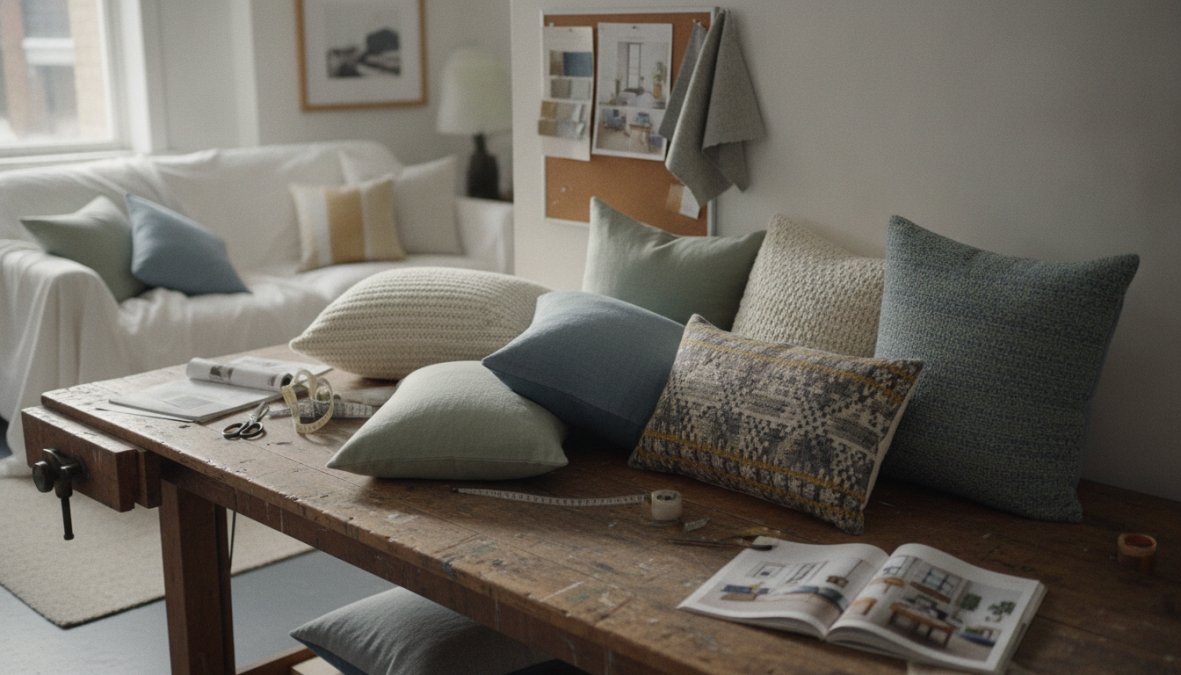
Throw Pillows and Textiles: Building Your Color Palette
Throw pillows are the easiest way to add color, pattern, and personality to your space. Start with a color palette of 3-4 colors: one neutral base (cream, gray, white) and 2-3 accent colors. Aim for pillows that coordinate but vary in tone, pattern, and texture. A solid cream pillow, a geometric pattern in cream and sage, a textured linen in soft gray, and a velvet accent in deeper sage create visual interest while feeling intentional.
A good starting point is two larger pillows (20x20 inches) as anchors and 2-3 smaller accent pillows (16x16 inches) layered in front. According to design psychology research from the American Psychological Association, textiles with varied textures increase perceived comfort by up to 30%.
Throw Blankets and Cozy Accents
A throw blanket draped over your sofa adds texture, invites coziness, and softens hard furniture lines. Choose a blanket in a complementary color to your pillows. The AllWayzHome Velveteen Plush Blanket exemplifies how the right textile transforms a space. For beginners, aim for one quality blanket you love rather than several cheap ones.
Key Takeaway
Layering isn't about perfection, it's about creating depth. Mix textures, vary scales, and let pieces interact naturally.
Wall Art and Decorative Accents: Creating Visual Interest
Empty walls make a room feel incomplete. Wall art anchors a space, adds color and personality, and draws the eye upward. For beginners, the challenge is choosing what matters to you and displaying it with confidence.
Statement Pieces That Elevate Your Aesthetic
A statement piece is art that commands attention. It might be a large canvas, a gallery wall, or a single bold print. The AllWayzHome Abstract Earthy Waves Wall Art demonstrates how a single piece can anchor an entire room. Its neutral earth tones work with nearly any color palette, making it ideal for beginners.
When choosing art, consider your room's color story. If your sofa is gray and your accents are sage and cream, choose art that echoes those tones. Size your art to your wall: it should take up about 50-75% of the visual space of your furniture below it. Hang art at eye level, roughly 57-60 inches from the floor to the center of the piece.
Lighting and Candles: Setting the Mood
Lighting transforms how a room feels. Harsh overhead lighting creates a cold atmosphere. Layered lighting, combining ambient, task, and accent lighting, makes spaces feel warm and intentional.
Functional Lighting Fixtures for Every Room
Start with a mix of light sources: a central ceiling fixture for general illumination, a floor lamp in a corner for ambient warmth, and a table lamp on a side table for task lighting. Choose fixtures with warm-toned bulbs (2700K color temperature) rather than cool white. For beginners on a budget, a simple floor lamp and table lamp are enough to start.
Candles and Ambient Lighting
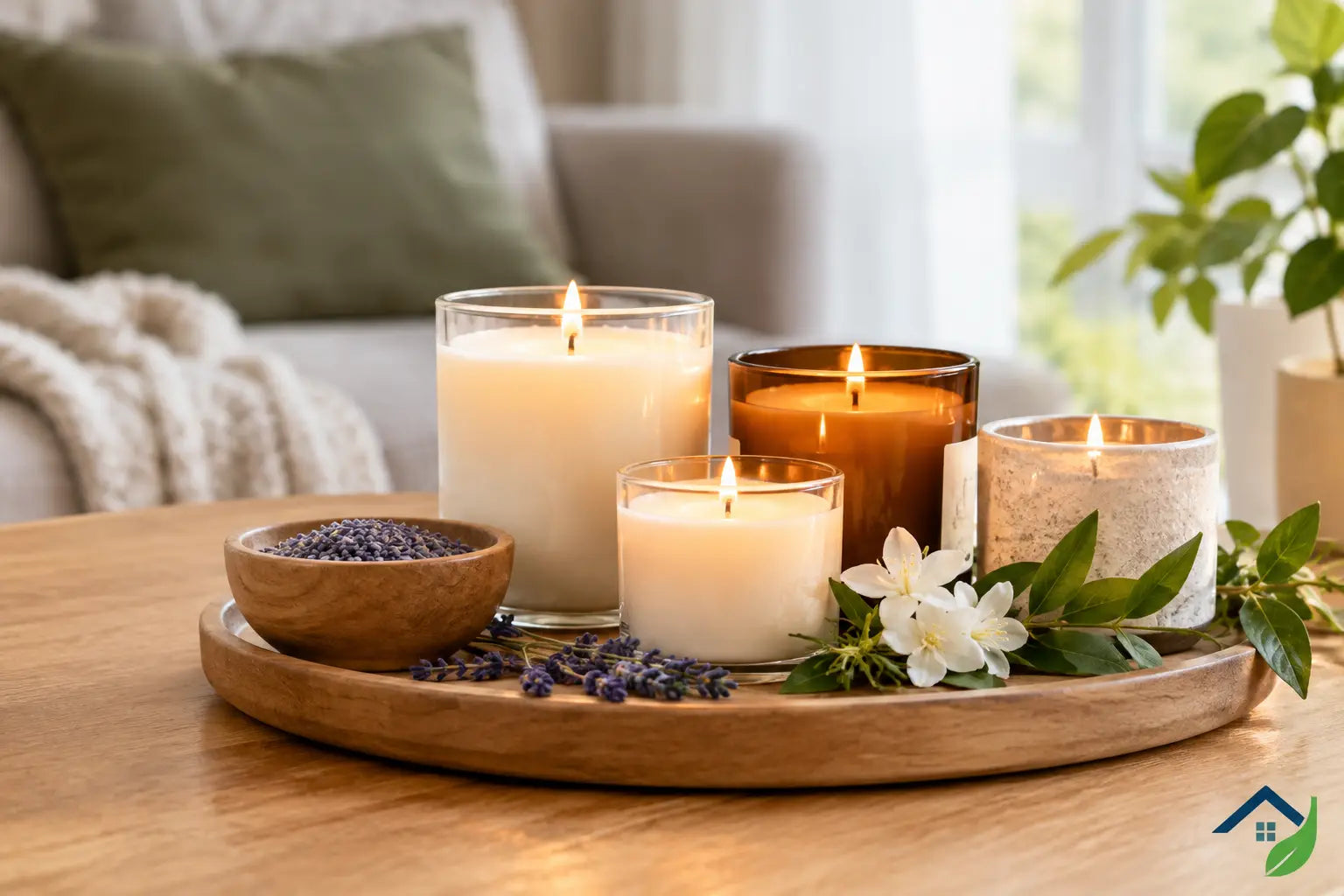
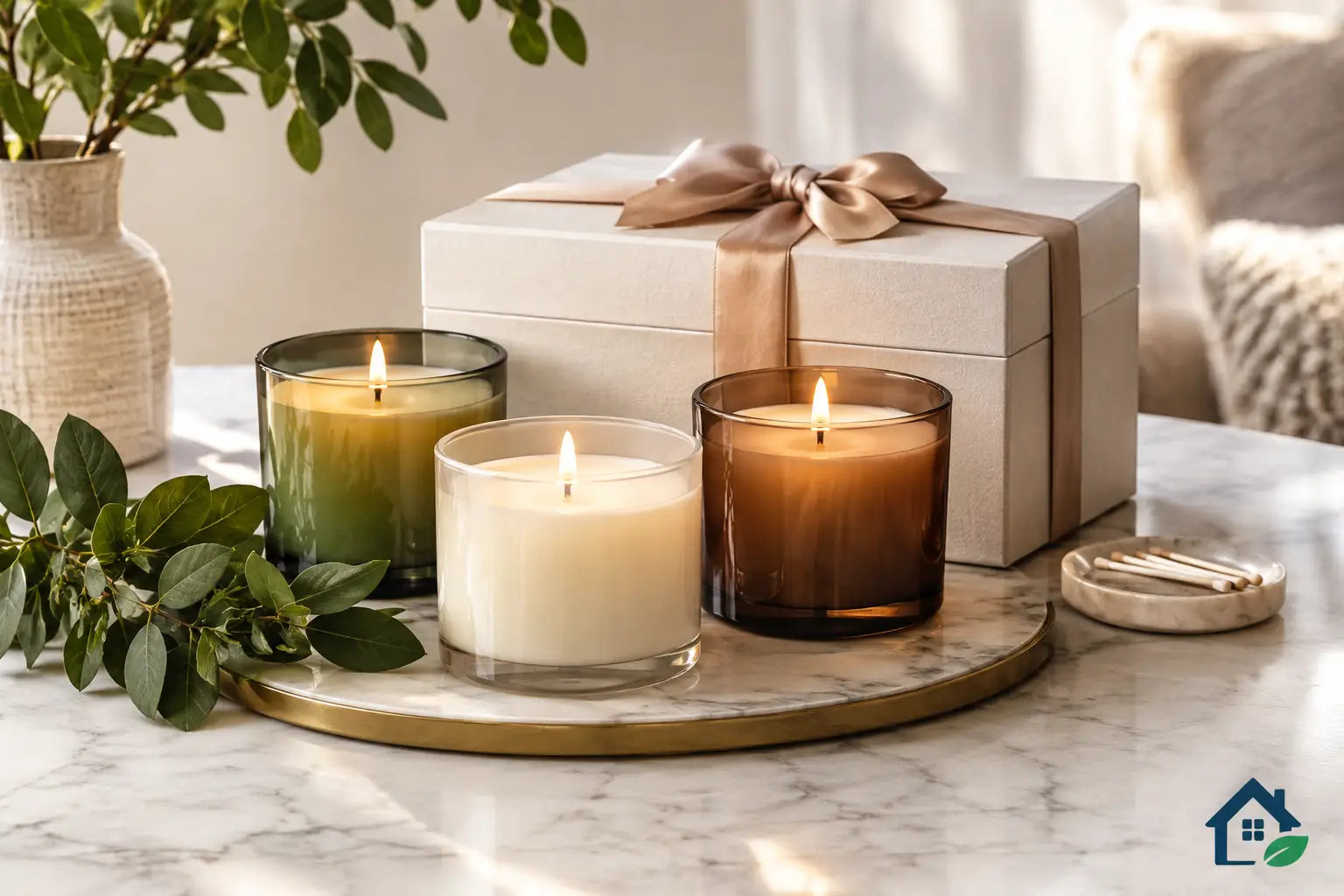
Candles create ambiance that no light fixture can replicate. Quality matters: a cheap candle that smells artificial or burns unevenly detracts from your space. AllWayzHome's collection of elegant candle and fragrance sets brings this philosophy to life. Group candles of varying heights on a coffee table, mantel, or shelf for visual impact. Choose scents you genuinely love, not trendy ones you think you should like.
Greenery and Indoor Plants: Bringing Life Into Your Home
Plants bring living, growing things into your space, improve air quality, and add color and texture. For beginners worried about plant care, many plants thrive on neglect. Start with low-maintenance plants like pothos, snake plants, and ZZ plants that tolerate various light conditions and cost $15-$40.
For displaying plants, invest in quality planters. The AllWayzHome [3-Piece White Ceramic Planter Pot Set with Fluted Design & Saucers](https://allwayzhome.myshopify.com/products/3-piece-white-ceramic-planter-pot-set-with-fluted-design-saucers) offers timeless elegance. Group plants together for impact: three plants of varying heights in coordinating planters create a mini garden that draws the eye.
Watch Out
Overwatering kills more plants than underwatering. Check soil moisture before watering: stick your finger an inch into the soil. If it's dry, water. If it's moist, wait.
How to Style a Coffee Table: A Beginner's Approach
A styled coffee table is both functional and beautiful. It should hold items you actually use while looking intentional, not cluttered.
The Rule of Three and Creating Balance
Groups of three feel balanced and intentional. Apply this to your coffee table styling: you might display a stack of coffee table books, a small plant, and a decorative tray holding candles and coasters. Height variation prevents a flat look. Stack books to create height, place a small plant next to them, and set a low decorative object in front.
Color coordination ties everything together. If your room's color palette is warm neutrals (cream, tan, warm gray), choose coffee table styling in those tones. Add one accent color to echo your pillow colors.
Trays, Vases, and Decorative Objects
A decorative tray corrals small items and creates visual organization. Choose one in wood, ceramic, or metal that complements your overall aesthetic. Vases serve dual purposes: they hold flowers or branches and function as sculptural objects. Coffee table books add color, texture, and conversation starters. Stack them with spines facing out to show color, or arrange them with a decorative object on top.
Affordable Home Decor Ideas for Budget-Conscious Beginners
Building a beautiful home doesn't require unlimited spending. Strategic choices and prioritization mean you can create a stunning space on almost any budget. Start by prioritizing what matters most. If you spend 80% of your time on your sofa, invest in a quality one. Accents like pillows, art, and plants can be more affordable because they're easier to replace as your taste evolves.
Shop secondhand for furniture and decor. Thrift stores, Facebook Marketplace, and estate sales offer quality pieces at a fraction of retail prices. Use affordable retailers strategically: a $20 throw pillow from H&M next to a $100 pillow from a designer brand creates visual richness without blowing your budget.
Rugs and Flooring: Anchoring Your Space
A rug anchors a seating area and defines a room within a larger space. Choose a rug size that extends at least 18 inches beyond your seating on all sides. A neutral rug works with any aesthetic and hides wear better than light colors. Quality affects durability: a quality rug, even a budget-friendly one, lasts years and improves with age.
Smart Shopping and Rental-Friendly Solutions
Renters can create style without permanence using removable wallpaper, adhesive wall hooks, and freestanding furniture. Shop with intention: before buying anything, ask if it serves a function, fits your color palette, and if you'll use it. Build your space gradually, starting with foundational pieces, adding textiles and lighting, then layering in plants and art.
Creating a home that reflects your personality and meets your needs doesn't require hiring a designer or spending a fortune. The essential home decor items for beginners, quality foundational furniture, layered textiles, strategic lighting, and thoughtful accents, form the foundation of any beautiful space. AllWayzHome specializes in curated collections that make this process easier, from elegant ceramic planters to quality throw blankets and wall art. Start with the pieces that matter most to your daily life, build intentionally, and let your space evolve as your taste develops.
Frequently Asked Questions
What are the first essential home decor items for beginners to buy?
Start with foundational pieces: a quality sofa, coffee table, area rug, and adequate lighting. Then add throw pillows, blankets, wall art, and indoor plants. These essential home decor items create a functional, inviting living space without overwhelming your budget. Focus on neutral base colors first, then layer in texture and personality through textiles and decorative accents.
How do I decorate a living room for beginners on a budget?
Use affordable home decor ideas like thrift store finds, budget retailers (Target, H&M Home), and DIY projects. Invest in one or two quality statement pieces, then fill gaps with inexpensive throw pillows, blankets, and wall art. Ruggable washable rugs ($89+) offer durability without high cost. Prioritize functional pieces that double as decor, storage baskets, mirrors, and plants create impact affordably.
How do I style a coffee table without it looking cluttered?
Use the rule of three: combine one tall element (vase or candle), one medium item (book or decorative object), and one low piece (coaster or tray). Leave negative space to avoid overcrowding. Rotate seasonal decor quarterly to keep it fresh. Group items in odd numbers and vary heights for visual interest while maintaining a curated, intentional aesthetic.
What home decor items are most important for rental apartments?
Choose rental-friendly solutions: removable wall art, adhesive hooks, washable rugs, and freestanding shelving. Avoid permanent installations. Invest in quality textiles (throw pillows, blankets) that you can take with you. Indoor plants in portable planters add life without damage. Focus on layering and texture through items you own, so your space feels warm and inviting without compromising your security deposit.
This article was written using GrandRanker