Cart
0
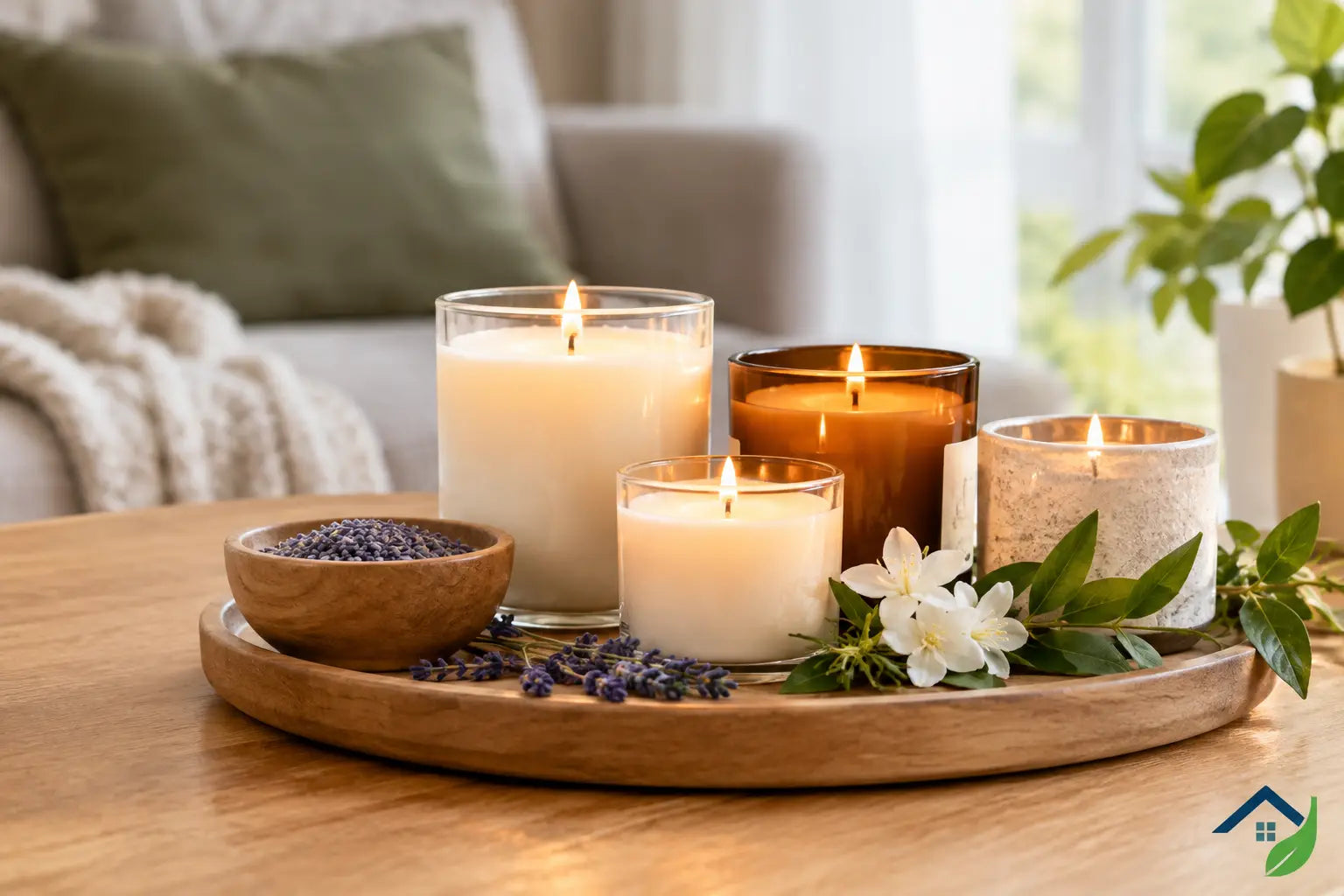
One candle can make a room feel finished. The wrong one can make it feel crowded, overly sweet, or simply off. If you have ever wondered how to choose candle scents without second-guessing every option, the easiest place to start is not with the label - it is with the feeling you want your home to have.
A good candle does more than smell nice. It shapes the mood of a space, supports your decor style, and adds a layer of personality that guests notice right away. Whether you are refreshing your own rooms or picking out a thoughtful housewarming gift, the best scent is usually the one that fits both the space and the moment.
How to choose candle scents by room
Different rooms ask for different kinds of fragrance. A scent that feels cozy in the bedroom may feel too heavy in the kitchen, while something crisp and bright in the bathroom might seem too sharp for a living room. Thinking room by room makes the choice feel much easier.
Living room
The living room usually benefits from scents that feel welcoming and balanced. This is where warm woods, soft vanilla, amber, cashmere, sandalwood, and gentle spice notes tend to shine. They create a gathered, relaxed feeling without overwhelming the space.
If your living room has a light, airy look with linen textures and neutral decor, cleaner scents like white tea, fresh cotton, or soft eucalyptus can work beautifully. If the room leans richer and moodier with darker tones or layered textures, deeper notes like cedar, fig, tobacco flower, or velvet rose may feel more at home.
Kitchen and dining area
In the kitchen, cleaner is usually better. Strong dessert-like candles can compete with food, which is why citrus, herb, green tea, basil, lemon, and light floral blends often feel fresher here. They help the room smell cared for rather than covered up.
That said, it depends on when you are burning the candle. A bakery-inspired scent can feel charming during a brunch gathering or holiday evening, but during everyday cooking, it may feel like too much. When in doubt, choose something crisp and subtle.
Bedroom
The bedroom is where comfort matters most. Lavender, chamomile, soft musk, vanilla, cashmere, and sandalwood are popular for good reason - they create a calm, softened atmosphere that supports winding down.
If you prefer your bedroom to feel romantic rather than sleepy, rose, jasmine, peony, or amber blends can add warmth without losing elegance. The key is avoiding anything too sharp or energizing unless that is truly the mood you want.
Bathroom
Bathrooms usually feel best with scents that read clean, light, and refreshing. Think sea salt, linen, eucalyptus, mint, white tea, or citrus blends. These fragrances add a polished finishing touch and help the room feel spa-like rather than perfumed.
Because bathrooms are often smaller, strength matters here. A fragrance that seems mild in a large open room may feel intense in a powder room.
Match the scent to the mood, not just the season
A lot of shoppers choose candles by season first, and that can work. But mood is often the better guide. You are not just scenting a room for fall or spring - you are creating a certain kind of experience.
For a cozy mood, look for notes like vanilla, amber, clove, cedar, tonka, or cinnamon. For a fresh and airy mood, reach for citrus, cucumber, linen, green tea, or watery florals. If you want something more elevated and layered, woods, fig, oud-inspired blends, and soft florals often feel more refined than sugary scents.
Season still plays a role, of course. In colder months, richer scents can make a home feel warmer and more intimate. In spring and summer, lighter notes often feel cleaner and easier to live with. But if you love a woodsy candle in July or a crisp eucalyptus blend in November, your personal style matters more than the calendar.
Let your decor style guide you
One of the easiest ways to choose a candle scent is to treat it like decor. The fragrance should feel like it belongs in the room, just like a throw blanket, planter, or serving tray would.
If your style is modern and minimal, clean scents with simple profiles often feel most natural. Linen, white tea, sea salt, and subtle citrus fit beautifully in uncluttered spaces. If your home leans farmhouse or traditional, warmer fragrances like vanilla bean, apple spice, cedar, or soft florals may feel more inviting.
For homes with a more romantic or elevated look, layered blends tend to work especially well. Rose with sandalwood, fig with amber, or jasmine with musk can feel polished and personal. They add depth without making the room feel busy.
This is also where candle vessels matter. A scent may be lovely, but if the jar clashes with your styling, it may not feel worth displaying. The most satisfying candles work as part of the room even before they are lit.
How to choose candle scents for gifts
Candles are one of the easiest gifts to make feel thoughtful, but they can also feel generic if the scent is chosen too quickly. The best gift candles feel personal without being overly risky.
For housewarmings, weddings, and thank-you gifts, balanced crowd-pleasers are usually the smartest choice. Think soft vanilla, linen, sandalwood, white tea, light citrus, or gentle floral blends. These scents tend to suit a wide range of homes and tastes.
If you know the recipient well, use their lifestyle as your guide. Someone who loves cozy nights in may appreciate amber or cashmere. Someone who keeps a bright, fresh home may prefer clean cotton or eucalyptus. A gift becomes more memorable when the scent feels chosen for the person, not just for the occasion.
This is where beautifully packaged candle sets and home bundles can feel especially polished. They turn a simple scent gift into something that feels styled, intentional, and ready to give.
Pay attention to scent strength
One of the biggest mistakes people make is choosing based only on fragrance type and ignoring intensity. A scent can be beautiful and still be wrong for your space if it is too strong.
Large open-concept rooms can usually handle fuller, richer fragrances. Small bedrooms, bathrooms, and entryways often need something softer. If you are scenting a home for everyday living, moderate throw is usually easier to enjoy long term than a candle that fills the room in minutes.
This is also a personal preference issue. Some people want their candle to be noticeable right away. Others want it to sit gently in the background. Neither is wrong, but knowing your own preference helps you shop more confidently.
Know the difference between sweet, fresh, floral, and woodsy
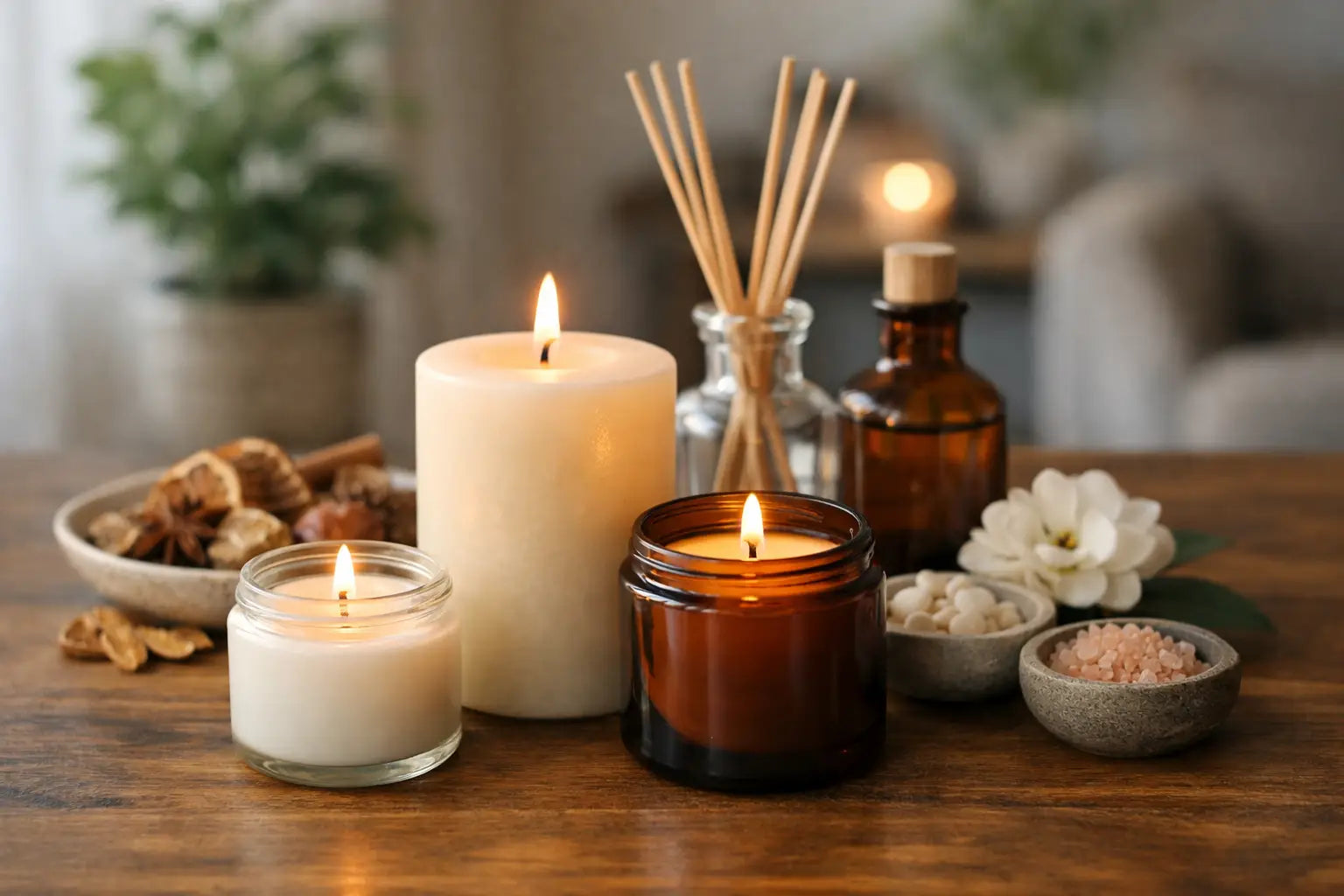
If candle labels blur together after a while, narrowing by fragrance family can help. Sweet scents include vanilla, caramel, honey, and bakery-inspired blends. These feel comforting, but they can become heavy if overused.
Fresh scents include citrus, linen, green notes, water-inspired blends, and light herbs. They usually feel clean and versatile, especially in kitchens and bathrooms. Floral scents range from airy and delicate to rich and dramatic. Peony and lily often feel lighter, while rose and jasmine can feel more pronounced.
Woodsy scents like cedar, sandalwood, teak, and amber create warmth and depth. They often feel sophisticated in living rooms, offices, and bedrooms. If you do not like sugary candles, woodsy or fresh is often a better place to start.
Test with real life in mind
A candle might smell beautiful with the lid off in a quiet store or on a product page description, but what matters is how it fits into your home. Think about what else the room already holds - cooking aromas, laundry scents, fresh flowers, pets, or other candles nearby.
Layering matters more than people realize. If your hand soap, diffuser, and candle all fight for attention, the result can feel messy rather than welcoming. Try to keep the fragrance story of your home somewhat consistent. That does not mean every room should smell the same, but they should feel like they belong together.
Many shoppers also find it helpful to keep one signature scent family throughout the home and vary it slightly by room. For example, you might use fresh linen in the bathroom, white tea in the bedroom, and a soft sandalwood blend in the living room. The experience feels cohesive without becoming repetitive.
Trust your instinct, then refine it
There is no single right answer to how to choose candle scents because home fragrance is personal. What feels luxurious to one person may feel too powdery or too sweet to another. The goal is not to pick the most popular scent. It is to choose one that makes your home feel more like yours.
Start with the mood, consider the room, and let your style lead. If you are gifting, think about the life someone is building in their home, not just the item you are handing them. The best candle is the one that makes a space feel warmer, more welcoming, and a little more loved the moment it is lit.
When fragrance is chosen with care, it does something beautiful - it turns ordinary routines into home moments people remember.