Cart
0
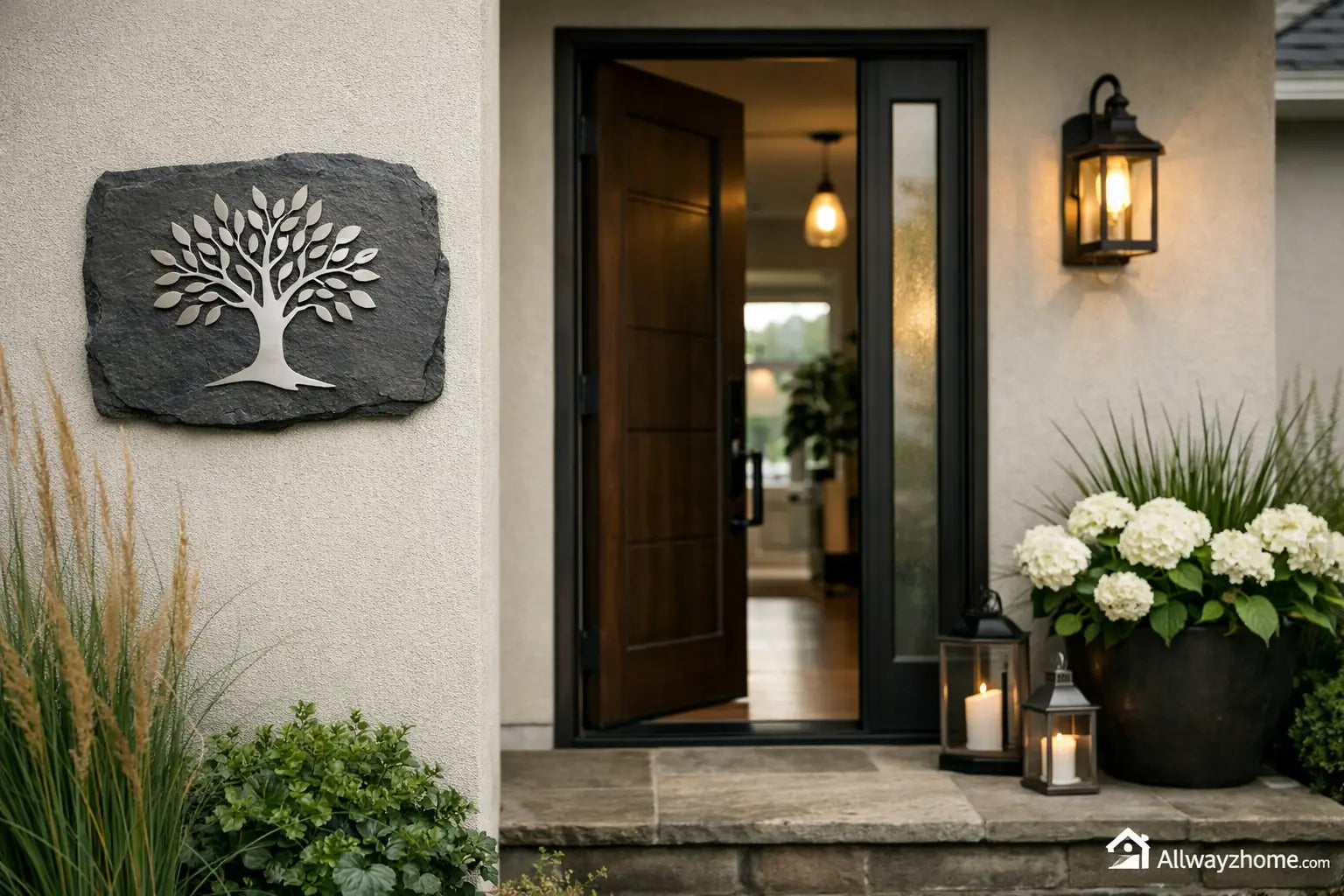
A front door does more than mark an address. It sets the feeling before anyone steps inside: the welcome after a long day, the excitement of a dinner invitation, the first glimpse of a new home. Custom house signs bring that moment to life with a detail that is useful, beautiful, and distinctly yours.
Whether you are settling into a first home, refreshing a familiar porch, or choosing a meaningful housewarming gift, the right sign can make an entry feel considered without requiring a major makeover. A family name, street number, meaningful date, or set of coordinates turns an everyday surface into a personal welcome.
Why Custom House Signs Feel So Meaningful
Most exterior décor is chosen for appearance alone. A personalized sign carries a little more weight. It can celebrate the people who live there, honor the place they chose together, or make a new address feel established from day one.
That is why these pieces work so well for milestones. For newlyweds, a shared last name marks the beginning of a home together. For a housewarming, it offers something more lasting than another bottle of wine. For longtime homeowners, it can be the finishing touch that finally makes the porch, gate, or entryway match the warmth inside.
There is practical value, too. Clear house numbers help visitors, delivery drivers, and guests find the right door. The best designs handle that task gracefully, pairing easy-to-read information with materials and colors that complement the home rather than compete with it.
Start With the Story You Want Your Entry to Tell
Before choosing a font or finish, think about the feeling you want at the door. A crisp black-and-white sign with modern lettering can suit a clean-lined exterior. Warm wood tones and softened type feel at home on a cottage porch or craftsman-style facade. A simple design with a family name and established year often feels timeless, especially if your taste changes over time.
The wording should be just as intentional. For some homes, the street number is all that is needed. For others, a last name creates a sense of welcome: “The Martins” or “The Martin Family.” Coordinates are a subtle option for a first home, vacation place, or a location that holds special meaning. A short phrase can be charming, but it is usually best reserved for a sign that does not also need to function as the main address marker.
Keep the viewing distance in mind. A sign near the front door can carry smaller text and more detail. One positioned at the end of a driveway or near the curb needs bold numbers that can be read quickly from the street. Personalization should enhance clarity, not make a sign harder to use.
Choose a Design That Belongs With the Home
A house sign does not need to match every finish outside, but it should feel connected to the overall look. Notice the colors already doing the most work: the front door, shutters, brick, siding, hardware, porch light, and planters. Then choose a sign that either repeats one of those tones or provides a quiet contrast.
For example, dark lettering on a light exterior gives a clean, classic look. A natural wood sign can soften a white, charcoal, or sage-green door. Matte black details often pair beautifully with modern fixtures, while a lightly weathered finish can bring warmth to a more relaxed entry.
Scale matters just as much as color. A small sign can disappear on a broad front porch, while an oversized piece may overwhelm a narrow doorway. If your entry has limited wall space, a vertical format can create impact without crowding the area. For a larger facade, a horizontal sign with room for an address and family name can feel balanced and welcoming.
Materials Matter, Especially Outdoors
The prettiest sign is only a good choice if it suits where it will live. A covered front porch protects finishes from direct rain and harsh sun, opening the door to more material options. An exposed gate, mailbox area, or street-facing post calls for a choice designed to handle changing weather.
Metal signs offer a polished, enduring look and often complement contemporary or industrial-inspired exteriors. Wood brings natural character and can feel especially inviting near greenery, woven doormats, and warm porch lighting. Acrylic and composite materials can create a sleek, modern finish with crisp lettering and versatile color choices.
Each option involves a trade-off. Wood has warmth, but may need more care in a wet or sunny location. Metal can be exceptionally durable, though its look may feel cooler unless balanced with softer décor. Clean-lined acrylic can be easy to coordinate, but may not deliver the texture some traditional homes need. Think about your climate, how much cover the sign will have, and how much maintenance feels realistic for you.
Make Readability Part of the Design
A beautiful custom sign should never leave a guest squinting for the house number. High contrast is your friend: light numbers on a dark background or dark numbers on a light background are generally easiest to see. Avoid overly ornate fonts for key information, especially on smaller signs.
Lighting also changes the equation. If visitors often arrive after sunset, place the sign where a porch light, path light, or nearby fixture can illuminate it. Reflective finishes are not necessary for every home, but good placement can make a significant difference. A sign that photographs beautifully in daylight should still work on a rainy evening when someone is trying to find your address.
Style the Entry Around Your Sign
Once a sign becomes part of the entry, it can guide the rest of the space. This is where a simple personalized piece becomes an easy starting point for a more welcoming exterior. You do not need to buy everything at once or follow a rigid design rule. A few thoughtful layers go a long way.
Place a pair of planters near the door and repeat one color from the sign in the flowers, greenery, or pots. Add a doormat that feels coordinated rather than overly matched. If your sign features warm wood or brass-toned details, consider lanterns, door hardware, or a seasonal wreath with similar warmth. The goal is a collected look that feels personal, not a porch arranged like a showroom.
Seasonal updates can work around your sign rather than cover it. Fresh greenery in spring, a few textured pumpkins in fall, or an evergreen arrangement in winter can change the mood while keeping your personalized focal point visible. This makes a custom sign one of the most flexible décor choices at the door.
A Gift That Feels Personal Without Guesswork
Housewarming gifts can be tricky. You want to give something thoughtful, but a new home already comes with plenty of practical needs and plenty of personal preferences. Custom house signs solve that beautifully because they are tied to the recipient’s new chapter, not just a passing trend.
For a wedding or engagement gift, a sign with a shared name, wedding date, or new address feels celebratory and useful. For friends who have moved, choose a design that reflects their home’s style rather than trying to predict their entire interior aesthetic. A classic color palette and straightforward personalization are usually a safe, polished choice.
If the gift is for someone who has lived in their home for years, consider the detail they may not buy for themselves: a garden sign, a back patio marker, a sign for a cabin, or a personalized piece for a newly updated entry. Meaningful gifts are often less about the occasion and more about noticing what makes a place theirs.
Details to Confirm Before You Order
Personalized products deserve an extra minute of review. Check spelling, capitalization, address numbers, and dates carefully. If you are using coordinates, confirm the format and location before finalizing. Decide whether the design should include a family name, an individual name, or simply the address, especially if the sign may be visible from the street.
Also measure the intended placement. Knowing the available width and height helps you choose a design that looks intentional once it arrives. Consider how it will be mounted, whether the surface is brick, siding, wood, or a post, and whether hardware or installation support is needed.
A custom sign is a small gesture with a lasting presence. Choose one that feels easy to read, right for the setting, and connected to the people who call that address home. Then let it be the first warm welcome your guests receive - and a daily reminder that every corner can be truly yours.