Cart
0
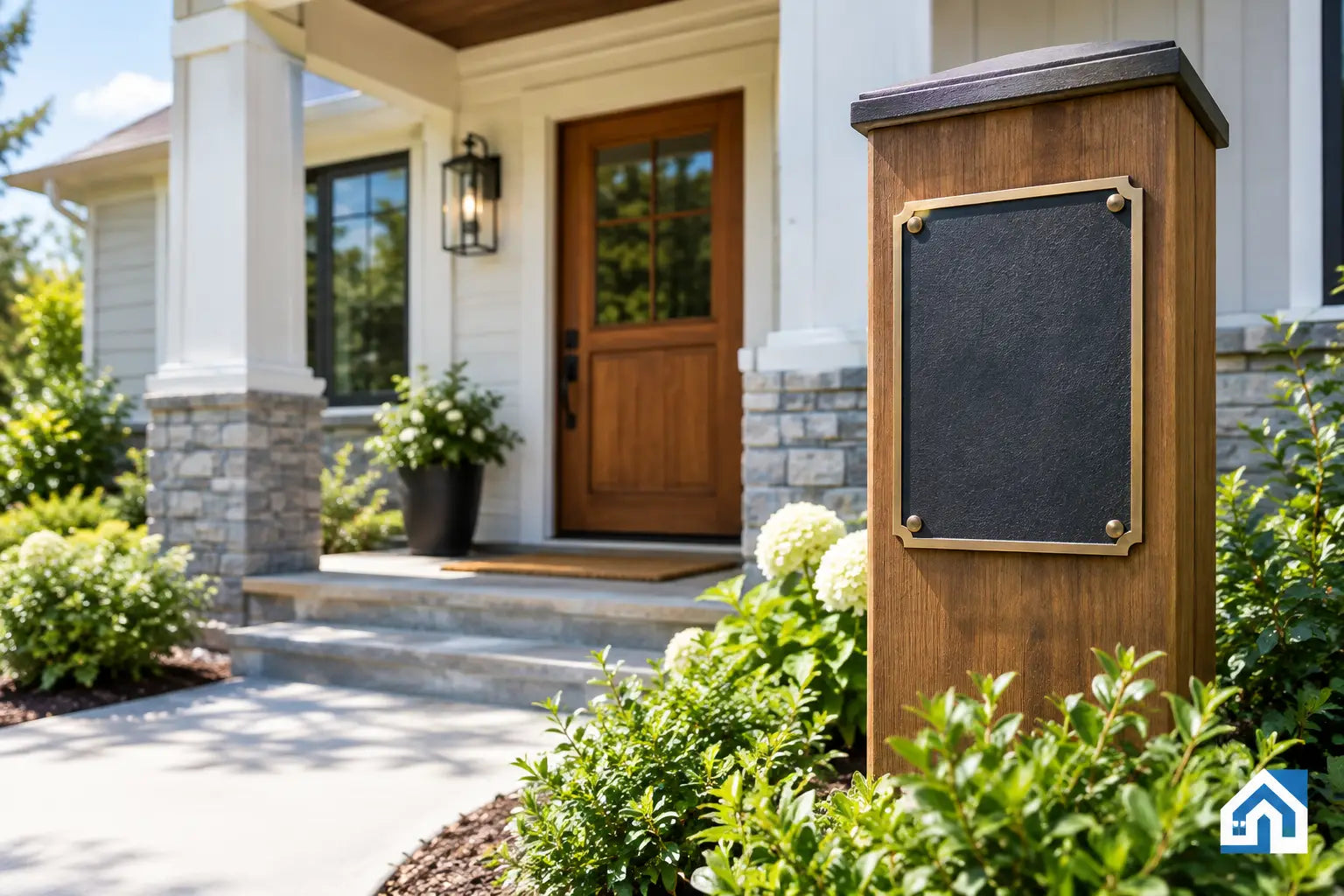
The first time a homeowner unlocks their own front door is more than a move-in moment. It is the beginning of birthdays around a new kitchen table, quiet Sunday mornings, and the small routines that make an address feel like theirs. Custom coordinate signs for new homes capture that feeling in a simple, beautiful detail: the exact spot where a new chapter begins.
Unlike décor chosen only to fill a wall, a coordinate sign tells a story. It can mark the latitude and longitude of a first home, a newly shared place after a wedding, a favorite family getaway, or the neighborhood where a long-awaited move finally happened. That personal meaning is what makes it equally lovely to display and genuinely memorable to give.
Why Custom Coordinate Signs for New Homes Feel Different
A street address identifies a home. Coordinates make it feel almost secret - a meaningful reference that belongs to the people who know its story. The numbers are understated enough to work with many decorating styles, yet personal enough to make guests pause and ask about them.
That balance is especially appealing for new homeowners who want their rooms to feel collected rather than crowded. A coordinate sign can bring warmth to an entryway, ground a gallery wall, or add a personal finishing touch above a console table without taking over the space. It gives a room a sense of belonging from the start.
For gift buyers, the appeal is just as clear. Housewarming gifts can be tricky: practical items may feel impersonal, while purely decorative pieces can be hard to match to someone else's taste. Coordinates offer a thoughtful middle ground. They celebrate a milestone while remaining refined, useful as décor, and easy to appreciate for years.
Start With the Story You Want It to Hold
Before choosing fonts, colors, or dimensions, decide what location the sign is meant to honor. For most new homes, the home address is the natural choice. Still, there are meaningful alternatives. A couple may choose the location of their wedding venue, longtime friends may commemorate the place they first met, or a family may mark the hometown they carry with them into a new space.
The important detail is accuracy. Coordinates are typically written as latitude first and longitude second, often with degree symbols and directional letters such as N and W. A quick map check can prevent a frustrating mistake, especially when an address sits near a boundary or has a similar street name elsewhere.
Consider whether the recipient would prefer the full street address included beneath the coordinates. Adding a family name, move-in year, or a short phrase like “Our Happy Place” can make the design more expressive. Keeping it to coordinates alone creates a quieter, more modern look. Neither approach is better - it depends on whether the home leans more sentimental, minimalist, or somewhere in between.
Choose a Style That Belongs in the Home
The most successful personalized décor does not feel like an afterthought. It feels at home with the colors, materials, and mood already taking shape in the room.
For warm, classic spaces
Natural wood tones, creamy backgrounds, and black or deep charcoal lettering complement traditional, farmhouse-inspired, and cozy transitional interiors. A sign with a family name and established date can feel especially fitting near an entryway or family room, where it welcomes people into the heart of the home.
For clean, contemporary rooms
Choose a restrained palette and a clear typeface. Black and white, soft gray, muted beige, or simple line-based designs look polished in modern homes. Coordinates in a minimal layout can create an elevated focal point without competing with sculptural lighting, streamlined furniture, or bold art.
For relaxed coastal or organic décor
Sandy neutrals, soft blues, weathered finishes, and botanical details bring an easy, lived-in character. In these spaces, coordinates can be paired with a subtle landscape motif, a shoreline-inspired color, or a small location name that adds a sense of place without becoming overly literal.
If you are purchasing for someone else, look at the style cues they naturally gravitate toward. Their favorite textiles, kitchen finishes, and the colors they wear can reveal more than a generic idea of what is “on trend.” Personalized gifts feel most special when they reflect the person receiving them.
Get the Scale and Placement Right
A beautiful sign can lose its impact if it is too small for a wide wall or too large for a narrow nook. Think of it as part of the room, not a standalone object. Above a sofa or bed, a larger piece or a set of coordinated frames helps anchor the furniture below it. For an entryway, a smaller sign often has more charm when layered with a mirror, a lamp, or a bowl for keys.
Coordinate signs also work well in spaces that are easy to overlook during a move. A mudroom, hallway, breakfast nook, or home office can gain warmth from a personal detail that does not require a major decorating project. Near the front door, it establishes a welcoming tone before anyone has even stepped inside.
Wall space is not the only option. A freestanding sign on a mantel, bookshelf, or console can be a flexible choice for renters, frequent refreshers, or homeowners who are still deciding where everything belongs. This approach also makes it easier to move the piece from room to room as the home evolves.
When hanging a sign, leave enough breathing room around it. Crowding it between unrelated objects can make the personalization feel less intentional. A little open space lets the coordinates read clearly and gives the piece the quiet presence it deserves.
Make It Part of a Meaningful Housewarming Gift
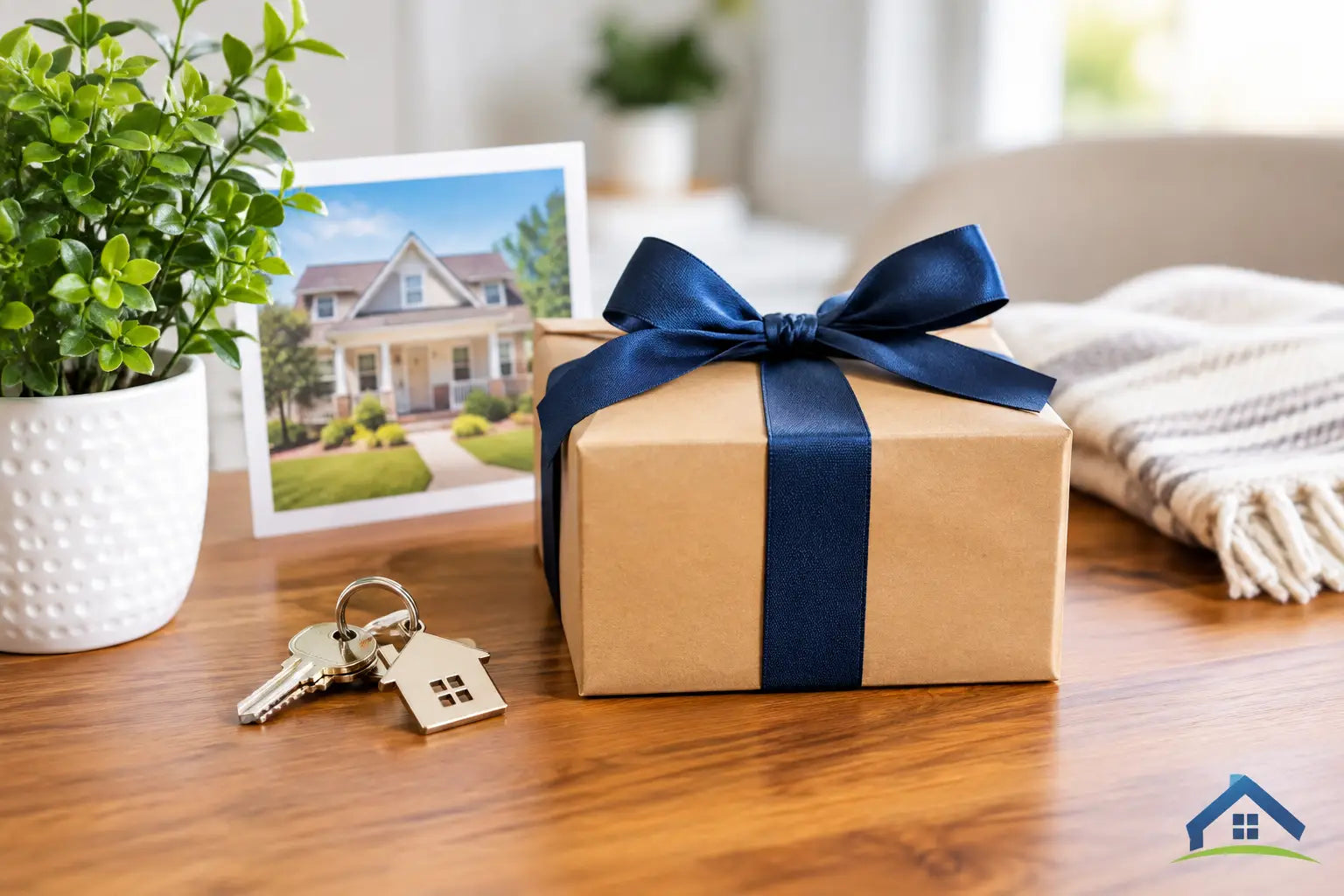
A coordinate sign is thoughtful on its own, but it can also be the center of a more layered housewarming gift. Pair it with a softly scented candle, a small indoor planter, elegant kitchen linens, or a basket of cozy essentials. The result feels considered rather than random: something beautiful for the home, something useful for everyday life, and something personal to keep.
For newlyweds, including their shared last name or wedding year adds a celebratory touch. For first-time buyers, the sign can honor a milestone they worked hard to reach. For a friend moving across the country, it can be a comforting reminder that a new place can quickly become a beloved one.
Presentation matters, too. Choose complementary colors and materials rather than piling on too many themes. A neutral coordinate sign, a candle in a warm fragrance, and a simple card often feel more polished than an oversized bundle filled with mismatched items. Thoughtful gifting is less about quantity and more about choosing details that create a feeling.
Personalization Details Worth Checking Twice
Custom pieces are made to be meaningful, so the final proof deserves a slow second look. Confirm the coordinate order, spelling of names, punctuation, established year, and any capitalization choices. If the sign includes a location name, make sure it reflects how the homeowner actually refers to the place - a neighborhood nickname may feel more personal than a formal city name.
It is also wise to picture the design at a distance. Fine lettering can be elegant, but it may be difficult to read across a room. Highly decorative fonts can be beautiful in small doses, though they are not always the best fit for a long coordinate line. Clear, well-spaced text tends to age gracefully and works across more décor changes.
At AllWayzHome, personalization is about making everyday spaces feel more connected to the people who live in them. A coordinate sign does that beautifully because it turns a set of numbers into a reminder of arrival, belonging, and all the life still ahead.
A new home does not need to be perfectly finished to feel special. Start with one detail that tells its story, place it where it can be seen often, and let the rest of the space come together around the memories being made there.