Cart
0
Table of Contents
- Modern vs Vintage Home Decor: Key Differences
- The 80/20 Rule of Mixing Styles
- How to Mix Modern and Vintage Decor
- Best Vintage Home Decor to Buy
- Avoiding Clutter and Creating Cohesion
- Why Vintage Adds Character and Soul
- Sustainability and Maintenance
- Conclusion
Last Updated: August 23, 2026
Modern vs Vintage Home Decor: Key Differences
The most compelling interiors blend modern and vintage aesthetics, creating spaces that feel layered, intentional, and deeply personal. Modern design brings clean lines and functionality, while vintage pieces add warmth, character, and history that new furnishings cannot replicate.
Modern decor prioritizes minimalism, neutral palettes, and purposeful design, every piece serves a function. Vintage finds carry patina and provenance; they've been used and loved in ways that create visual depth. A mid-century credenza isn't just storage; it's a conversation starter. Understanding these differences shapes how you approach your entire interior. Leaning too heavily into either extreme risks sterility (all modern) or chaos (all vintage). The sweet spot lies in using both strategically.
The 80/20 Rule of Mixing Styles
Most designers follow an informal ratio when blending aesthetics: 80% of your foundational pieces should anchor your primary style, while 20% introduces contrast and visual interest. This framework prevents your space from feeling schizophrenic.
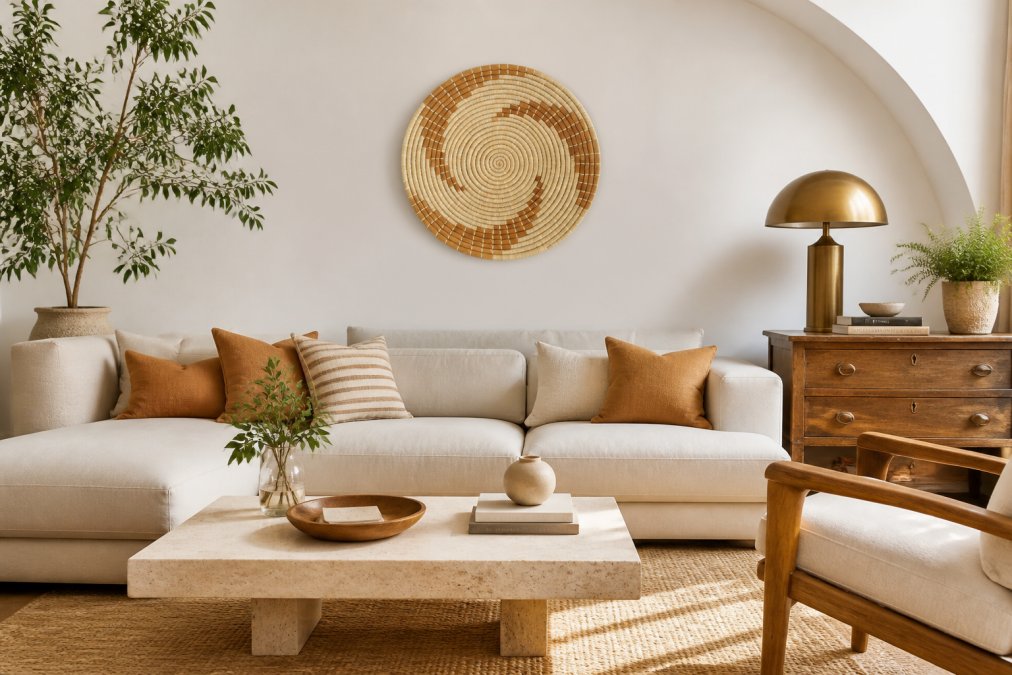
If your baseline is modern, 80% of your furniture, wall colors, and large-scale pieces follow contemporary principles. The remaining 20%, accessories, accent pieces, smaller furnishings, can draw from vintage sources: a restored wooden side table, vintage rug, or mid-century ceramics. The modern foundation keeps the space cohesive while vintage touches prevent sterility.
Reverse the ratio if vintage is your anchor. A room dominated by antique furniture needs modern counterbalances to avoid feeling dated. A sleek sofa, minimalist lighting, or neutral wall treatment grounds a vintage-heavy space and makes it feel intentional rather than inherited.
The 80/20 rule works because your eye needs a dominant aesthetic to orient itself. The minority style becomes seasoning, not the main ingredient.
How to Mix Modern and Vintage Decor
Start with a Dominant Style
Before buying anything, identify which aesthetic will anchor your space. If you're drawn to clean lines, neutral tones, and uncluttered surfaces, modern is your foundation. If you gravitate toward ornate details, warm woods, and historical pieces, vintage should lead.
Walk through your space and identify the largest pieces, sofa, bed frame, dining table, shelving. These set the tone immediately. If most are modern, your accent pieces can venture into vintage territory. If your major pieces are vintage, modern accessories become your palette cleansers.
Use Modern Pieces as Palette Cleansers
Modern decor prevents visual fatigue in vintage-forward spaces. When a room is dense with ornate frames, patterned textiles, and detailed furniture, the eye has nowhere to rest. Modern pieces, a simple white bookshelf, sleek console table, minimalist wall art, create breathing room.
Think of modern elements as visual punctuation. A living room filled with antique furniture, ornate mirrors, and patterned rugs can feel overwhelming. Add a contemporary side table with clean lines, hang abstract wall art with negative space, or introduce a neutral-colored rug, and the room feels intentional rather than chaotic.
This principle applies to color as well. If your vintage pieces lean toward warm woods and brass, modern neutrals, whites, soft grays, pale blues, create visual relief and prevent the space from feeling too warm or heavy.
Balance Scale and Proportion
Scale matters enormously when mixing styles. A delicate vintage side table next to an oversized modern sectional creates discord. When sourcing vintage pieces, consider the proportions of your existing modern furnishings. If your sofa is substantial and low-slung, a vintage coffee table should have similar visual weight and height.
The same principle applies in reverse. Modern pieces in a vintage space should respect the scale of what's already there. A tiny minimalist side table might disappear next to an ornate Victorian dresser.
Best Vintage Home Decor to Buy
Essential Vintage Items to Collect
Mid-century furniture remains the gold standard for vintage collecting. A well-made credenza, dining chair, or side table from the 1950s-1970s combines functionality with design integrity. These pieces were built when craftsmanship was standard and adapt easily to modern spaces.
Brass and leather-bound accessories add warmth without overwhelming. Vintage brass fixtures, picture frames, and decorative objects introduce subtle glow. Leather-bound books create visual interest on shelves.
Handwoven textiles and artisan-made wall baskets bring texture and cultural richness. AllWayzHome curates pieces like the Bahari Banana Bark Wall Basket ($76.00), handwoven by Tanzanian artisans, or the Binga Lace Patterned Basket ($88.00), crafted from sustainably harvested Ilala palm by Zimbabwean artisans. These pieces carry provenance and story that mass-produced decor cannot replicate.


Folk art and objet d'art, vintage ceramics, small sculptures, framed prints, work as collection pieces. A collection of vintage ceramic vessels on a shelf or artisan pieces displayed together tells a story about your taste.
Investment Value vs Depreciation
Authentic mid-century furniture from known designers tends to appreciate or hold value (peer-reviewed research). A Herman Miller chair or Knoll table from the 1960s maintains worth because of documented provenance and quality.
Mass-produced vintage furniture typically depreciates. A vintage dresser from a department store brand may feel charming but is unlikely to gain value.
Handcrafted artisan pieces, particularly those made by named makers or from specific cultural traditions, tend to hold or increase in value. The Moonrise Wall Basket ($100.00), created by WomenCraft artisans from upcycled materials, carries cultural significance. The Zulo Woven Wall Disc ($104.00), handcrafted by Malawian artisans, represents timeless craftsmanship that doesn't depreciate like mass-produced goods.

| Vintage Category | Typical Value Trajectory | Best For |
|---|---|---|
| Mid-century designer furniture | Holds or appreciates | Long-term investment, statement pieces |
| Mass-produced vintage furniture | Depreciates | Budget-conscious decorating, temporary spaces |
| Handcrafted artisan pieces | Holds or appreciates | Collectors, sustainable design, cultural interest |
| Vintage textiles and accessories | Stable to slight appreciation | Layering, accent pieces, collections |
| Reproduction vintage | Depreciates | Renters, trend-conscious decorating |
Avoiding Clutter and Creating Cohesion
The most common mistake when mixing modern and vintage is treating the combination as a license to accumulate indiscriminately. Eclectic doesn't mean chaotic. A cohesive mixed-style interior requires intentionality and restraint.
Start by limiting your color palette to three or four colors. Modern pieces in soft grays and whites paired with vintage wood tones and brass create cohesion through color discipline. Repetition creates visual harmony, if you're displaying handwoven baskets, repeat that material or texture elsewhere, perhaps in a vintage rug or woven placemats.
The Role of Lighting in Mixed Interiors
Lighting unifies disparate pieces by creating visual continuity and warmth. Warm-toned lighting (2700K color temperature) makes both modern and vintage pieces feel inviting and connected (ies.org).
Layered lighting, combining ambient, task, and accent lighting, allows you to control how different pieces read. A vintage brass floor lamp provides warm task lighting while introducing that warm metal tone throughout. Modern pendant lights with simple silhouettes can anchor a kitchen without competing with vintage furniture.
Curating a Gallery Wall
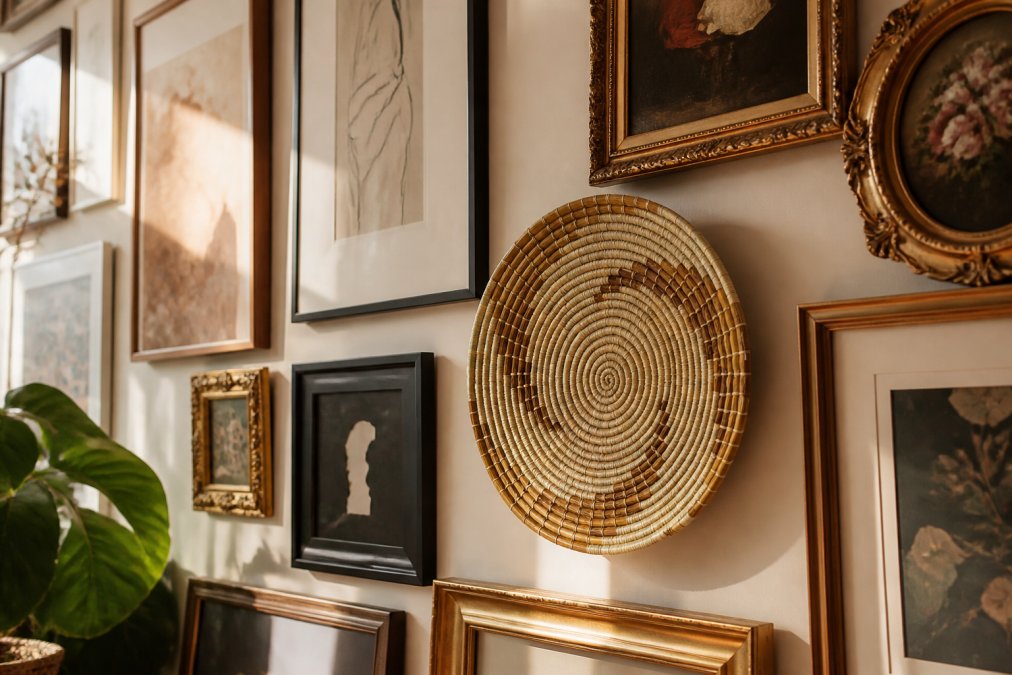
A gallery wall is where modern and vintage coexist beautifully if executed thoughtfully. Start with a unifying principle: consistent frame color or material, or a thematic connection like botanical prints or travel posters.
Symmetrical gallery walls feel more formal and modern; asymmetrical arrangements feel more eclectic and vintage-forward. Include whitespace, a gallery wall doesn't mean covering every inch. Breathing room between frames prevents clutter and maintains visual clarity.
Why Vintage Adds Character and Soul
Modern design prioritizes function and clarity, but spaces designed purely around contemporary aesthetics can feel sterile or temporary. Vintage pieces introduce continuity with the past and a sense of history.
Vintage carries patina, visible wear from use and time. A scratched wooden table, faded rug, or mirror with age spots tells stories and suggests the piece has been valued enough to preserve. This narrative quality makes vintage feel soulful in ways new pieces cannot immediately achieve.
Mixing vintage with contemporary pieces says something about your values: you appreciate quality over newness, you're willing to hunt for unique items, and you understand that warmth and character matter as much as functionality.
Sustainability and Maintenance
Choosing vintage over new carries environmental implications. Extending the lifecycle of existing objects reduces demand for new production, meaning fewer resources consumed and lower carbon footprints (the EPA).
But sustainability requires maintenance. Vintage pieces demand care that new furniture often doesn't.
Restoration Guides for Vintage Finds
Many vintage pieces benefit from gentle restoration that respects the piece's history while improving functionality.
For wood furniture, start with gentle cleaning using a soft cloth with mild soap and water. For built-up grime, use a specialized furniture cleaner formulated for the specific wood type. Avoid harsh chemicals or abrasive scrubbing, which can strip patina.
Loose joints are common in older furniture. Minor tightening can sometimes be addressed with furniture tightener products, but significant structural issues require a skilled furniture restorer.
For upholstered vintage pieces, professional cleaning is often best. Vintage fabrics are frequently more delicate than contemporary textiles, and improper cleaning can damage them irreparably.
Brass and metal accents benefit from regular dusting and occasional polishing. Some collectors prefer to preserve patina on brass, as it adds to the vintage aesthetic.
Textiles, vintage rugs, tapestries, and woven baskets, require gentle care. Regular vacuuming with a brush attachment removes dust. For stains, spot-cleaning with minimal water is preferable to soaking. When in doubt, consult a textile conservator.
The investment in maintenance pays dividends. A well-maintained vintage piece becomes more beautiful with age, developing deeper patina and character.
Mixing modern and vintage decor isn't about following rigid rules; it's about understanding how different aesthetics work together to create spaces that feel both functional and soulful. The challenge lies in resisting indiscriminate accumulation and instead curating pieces that genuinely speak to you. AllWayzHome helps you navigate this by offering thoughtfully sourced vintage-inspired pieces like handwoven baskets and artisan accessories that bridge contemporary and vintage sensibilities. Explore More and discover how intentional curation transforms a house into a sanctuary that reflects your unique aesthetic and values.
Frequently Asked Questions
Can you mix modern and vintage decor without it looking cluttered?
Yes. The key is following the 80/20 rule: let one style dominate while the other acts as an accent. If your foundation is modern minimalist, vintage pieces become focal points rather than clutter. Use cohesive colors, group similar textures together, and ensure each piece has visual breathing room. Lighting plays a crucial role too, warm lighting unifies mixed styles and adds warmth that ties vintage and contemporary pieces together.
What are the best vintage home decor items to buy for beginners?
Start with statement pieces that work with most interiors: brass or leather-bound books, mid-century wooden case pieces, and handwoven textiles like wall baskets. These items carry patina and character without requiring restoration. Artisan-made vintage finds from trusted sources hold their value better than mass-produced pieces. Look for items with clear provenance and authentic craftsmanship, these timeless pieces adapt to changing aesthetics.
How do you identify high-quality vintage finds versus reproductions?
Examine construction details: solid wood joinery, hand-stitched upholstery, and visible wear consistent with age indicate authenticity. Check for maker's marks, labels, or signatures. Authentic vintage pieces show natural patina, uneven fading, slight imperfections, rather than uniform aging. Ask sellers about provenance and history. Quality vintage items often cost more upfront but appreciate or hold value, whereas reproductions depreciate quickly.
What's the 80/20 rule for decorating with mixed styles?
The 80/20 rule means letting one style comprise 80% of your space while the other makes up 20%. If you love modern minimalism, fill 80% with clean-lined, contemporary pieces and introduce vintage accents, a vintage rug, brass lamp, or artisan wall basket, for warmth and soul. This creates balance without visual chaos. The dominant style provides cohesion while the secondary style adds nostalgia and texture.
How do I know if a vintage piece will work with my modern apartment?
Consider color palette, scale, and texture. A vintage piece should complement your existing dominant colors and fit proportionally within the space. Modern minimalist rooms benefit from vintage items with clean silhouettes and neutral tones, think natural wood, brass, or earth-toned textiles. Handwoven baskets and mid-century wooden pieces work especially well because their organic textures add warmth without competing with contemporary aesthetics. Trust your instinct on whether the piece feels like an intentional accent or an afterthought.
This article was written using GrandRanker