Cart
0
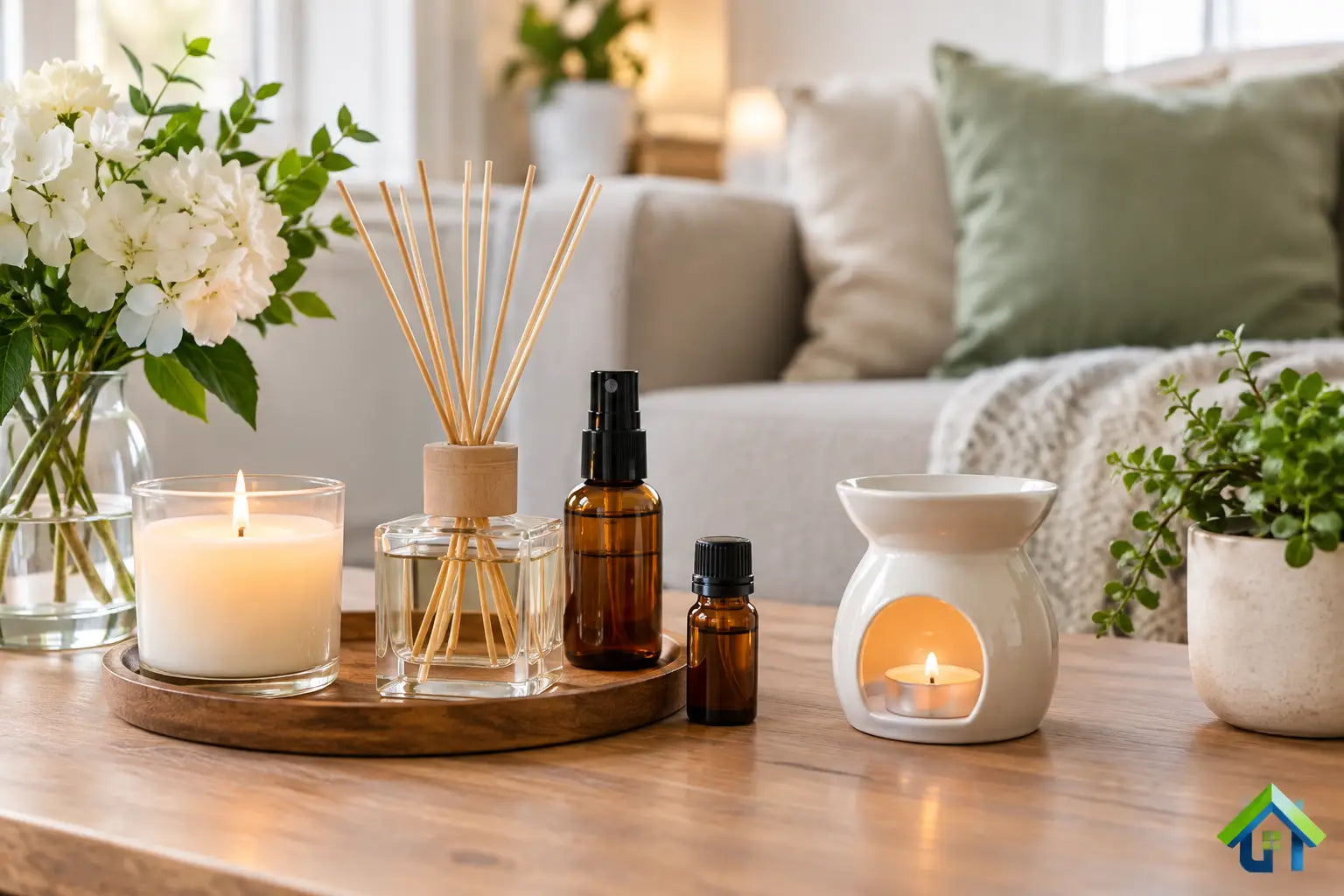
A beautifully scented home should feel like a welcome, not a cloud of competing perfume. The secret is not using more fragrance. It is choosing a few complementary notes and placing them with intention. This home fragrance layering guide will help you create a signature atmosphere that feels warm at the front door, peaceful in the bedroom, and memorable long after guests leave.
Think of scent as part of your décor. Just as a personalized throw pillow, a favorite planter, or a candle on the coffee table adds character, fragrance gives every room an emotional finish. When the notes work together, your home feels considered, comforting, and unmistakably yours.
What Home Fragrance Layering Really Means
Home fragrance layering is the practice of combining scents across products and spaces so they create one cohesive experience. You might use a diffuser as the soft, steady background scent, light a candle when you want extra warmth, and finish with a room spray before company arrives. Each product has a role, rather than trying to do everything at once.
The goal is harmony, not an exact scent match. A vanilla candle does not need to be paired with vanilla everything. It can feel even more polished beside a diffuser with soft sandalwood or a room spray with a hint of amber. Shared scent families, such as woods, citrus, florals, herbs, or gourmand notes, make the transition feel natural.
Layering also gives you flexibility. Your kitchen may need a cleaner, brighter mood than your living room, while the bedroom calls for something quieter and more personal. You can let each space have its own personality without making the house feel disconnected.
Start With One Signature Scent Family
Before choosing individual products, decide what you want your home to feel like. This is the foundation of a successful home fragrance layering guide. Choose one main scent family, then add supporting notes that bring out its best qualities.
For a cozy, gathered-in feeling, start with warm notes such as vanilla, amber, tonka, sandalwood, cedar, or soft spice. These scents are especially lovely in living rooms, entryways, and gift-ready spaces during cooler months. They make a home feel settled and inviting without requiring a major décor change.
If you prefer a fresh, light-filled atmosphere, look toward citrus, linen, eucalyptus, green tea, bergamot, or gentle herbs. These notes suit kitchens, bathrooms, and sunny rooms where you want a clean finish. For a romantic or elevated mood, florals such as rose, jasmine, orange blossom, and lavender pair beautifully with musk, wood, or tea notes that keep them from becoming overly sweet.
It helps to think in three layers. Your base notes are the longest-lasting and richest, often woods, amber, or musk. Middle notes give the home its recognizable personality, such as floral, herb, or fruit. Top notes are the first bright impression, including citrus, mint, or crisp greens. You do not need to identify every note on a label, but this framework makes choosing easier.
Build a Home Fragrance Layering Plan by Room
A whole-home scent story begins at the entryway. This is where you create the first impression, so keep it friendly and balanced. A reed diffuser with bergamot, soft woods, or a clean linen scent works well because it offers a quiet, continuous welcome. Avoid placing a strong diffuser directly beside the door, where the fragrance can feel sharp in a small burst. A console table slightly inside the home is usually a better spot.
In the living room, let comfort lead. This is the ideal setting for a candle because it adds both fragrance and a warm visual glow. Pair a cozy candle, such as amber, vanilla, or sandalwood, with a diffuser that has a lighter supporting note. For example, a warm cedar candle and a subtle citrus-wood diffuser create depth without making the room smell like a bakery or a cologne counter.
The kitchen benefits from restraint. Cooking aromas already have a strong presence, so choose fragrances that refresh rather than compete. Lemon, basil, rosemary, grapefruit, or clean herbal scents are natural choices. Use a room spray after cooking or keep a small candle for moments when the kitchen is tidy and guests are on the way. Heavy gourmands, smoky woods, and dense florals can feel out of place here, depending on what is on the menu.
Bedrooms should feel personal and restful. Lavender, chamomile, cashmere, soft rose, and gentle musk are beautiful options, especially in a diffuser set on low or in a linen spray used sparingly on bedding. If you enjoy a richer scent, reserve it for a candle during your evening wind-down, then extinguish it before sleep. A bedroom fragrance should linger softly, not announce itself from the hallway.
Bathrooms are a good place for fresh notes with a polished edge. Eucalyptus, mint, sea salt, cotton, citrus, and white tea create a clean feeling that complements the space. A diffuser is often more practical than a candle here, particularly in a smaller bathroom. If you use a room spray, one or two spritzes are enough.
Use Each Fragrance Format for Its Strength
Candles, diffusers, room sprays, and linen sprays do not perform in the same way, and that is what makes them useful together. Candles are best for creating a moment. Their fragrance blooms while they are lit, making them perfect for a dinner gathering, a slow Sunday, or an evening when you want the room to feel especially cozy.
Reed diffusers create continuity. They work best in areas where you want a gentle scent that stays present without effort, such as entryways, bathrooms, or a home office. Turn the reeds only when the fragrance begins to fade, and use fewer reeds in smaller rooms. More is not always better.
Room sprays offer the quickest refresh. They are ideal after cooking, before guests arrive, or when you want to shift the mood without lighting a candle. Spray into the center of the room instead of directly onto fabrics, unless the product is made specifically for textiles.
Linen and fabric sprays create an intimate finishing layer. A light mist on pillows, throws, or freshly made bedding can make a room feel cared for. Keep the scent close to the fabric and choose a soft formula that does not clash with the diffuser or candle already in the space.
Keep the Layers From Competing
The most common fragrance-layering mistake is giving every room a different, equally powerful scent. Your nose may adjust over time, but guests will notice the collision. A home can hold several fragrances, but they should have a shared thread.
One easy approach is to repeat a grounding note throughout the house. Perhaps sandalwood appears in the entryway diffuser, while a bedroom spray adds sandalwood beneath lavender and the living room candle blends it with amber. The scents are not identical, yet they feel related.
Another option is to move from fresh to warm as guests move deeper into the home. Begin with citrus or green notes near the entry, use a more rounded floral or wood scent in shared spaces, and reserve the softest, warmest layers for bedrooms. This creates a subtle sense of progression that feels intentional.
Pay attention to scale as well. A tiny powder room can become overwhelming with a full-strength diffuser, while an open-concept living area may need a candle and a diffuser to feel balanced. If you have pets, young children, allergies, or scent sensitivities in the household, use fewer products at once and choose lighter placement. Good fragrance should be noticed, not endured.
Refresh Your Scent Story With the Season
Your home fragrance does not have to stay the same all year. A seasonal edit can make familiar rooms feel newly inviting. In spring, pair clean florals with citrus or fresh greenery. Summer calls for airy notes like grapefruit, coconut, sea salt, mint, or white tea. Fall is a natural moment for apple, spice, cedar, and amber, while winter welcomes richer blends of pine, vanilla, orange, clove, and warm woods.
The key is to keep one recognizable element as your signature. If your year-round base is sandalwood, for example, let it meet citrus in warmer months and vanilla or spice when the weather turns cool. That small continuity makes seasonal changes feel elegant rather than random.
Fragrance also makes a thoughtful finishing touch for a housewarming or host gift. A candle and diffuser pairing, presented with a personalized home accent or a cozy throw, gives someone more than an object. It gives them a ritual for making a new space feel like home.
Start small, trust your senses, and give each scent room to breathe. The right combination can turn an ordinary evening at home into a moment worth lingering in - one warm, personal layer at a time.